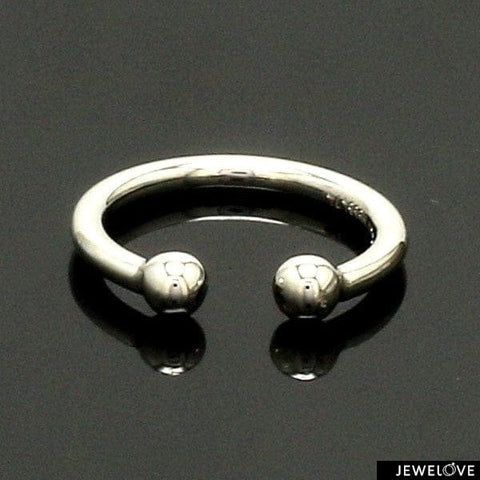
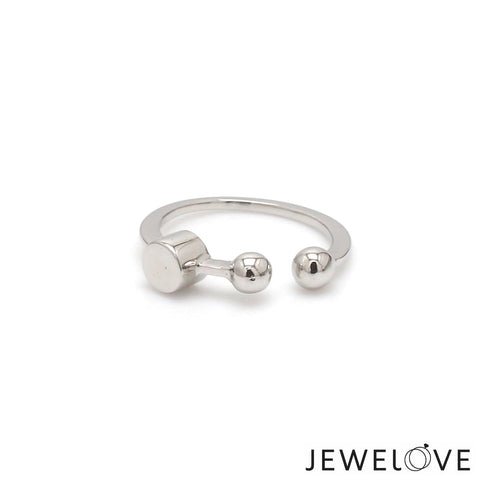
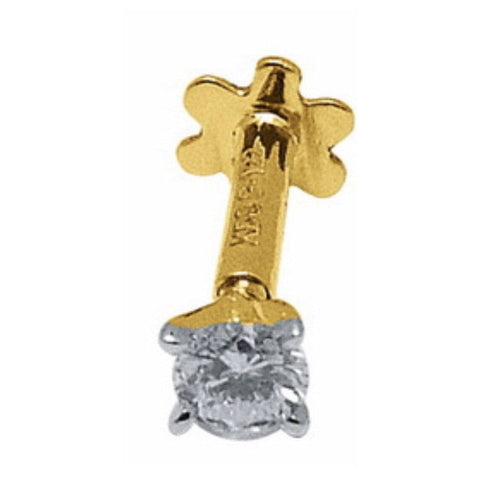
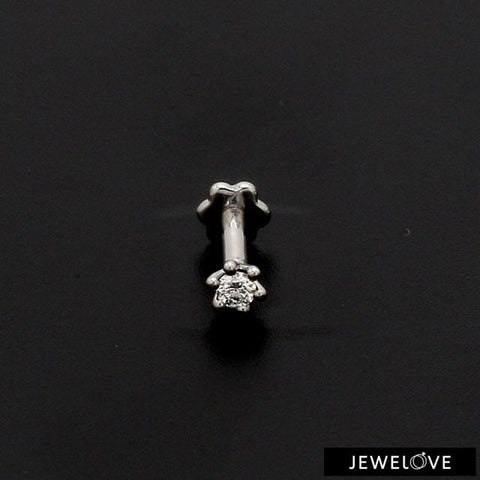
Nose piercing has fascinated cultures for thousands of years. It is not just a decorative practice or a fleeting fashion choice, but a tradition that carries profound cultural meaning, spiritual symbolism, emotional depth, and even physical health benefits. When you see someone wearing a nose stud or ring, it may look simple on the surface, but behind that small piece of jewelry often lies a tapestry of heritage, personal identity, and wellness practices, a perspective deeply explored by Sambhav Karnawat, founder of Jewelove.
Across India, the Middle East, Africa, and even Western societies, nose piercing has played a role in rituals, status, spirituality, and self-expression. Today, with global fashion embracing body art, nose piercing stands proudly as one of the most enduring and versatile jewelry choices for women and men alike. Whether you are drawn to delicate studs or bold hoops, browsing ring design for women can offer beautiful inspiration for pairing your nose jewelry with complementary pieces.
In this detailed guide, we will explore nose piercing benefits, the cultural significance, and understand what does nose piercing mean in different traditions, along with why nose piercing is important even today.
Why Nose Piercing Is Important in Tradition and Modern Fashion
Nose piercing has been a practice across civilizations for more than 4000 years. Its meaning varies by culture but the recurring themes remain the same: beauty, identity, protection, and connection to something greater.
-
In India and Ayurveda nose piercing is considered more than cosmetic. The placement on the left nostril is associated with female reproductive health and the easing of menstrual discomfort. It also holds symbolic value for brides, with nose rings or naths often worn as part of bridal jewelry to represent prosperity and fertility. Those celebrating this milestone often look for thoughtful engagement gifts that honor both tradition and personal style.
-
In Middle Eastern and African societies nose piercings were a sign of wealth and family honor. The size of the ring could reflect the financial strength of the household.
-
In Western counterculture movements nose piercings once stood for rebellion, freedom, and breaking away from social conformity. Later, global celebrities adopted it, shifting its image to one of style and high fashion. For couples who share a love of fine jewelry, exploring anniversary gifts for couple is a meaningful way to mark milestones that align with these evolving traditions.
-
In the modern era nose piercing has become a universal symbol of self-expression. It allows individuals to embrace heritage, experiment with looks, and display personality in a way that feels timeless.
In modern discussions, people also explore nose piercing which side is best, depending on cultural beliefs or personal style.
Cultural Significance of Nose Piercing Around the World
India and the Wisdom of Ayurveda
In India, nose piercing carries multiple layers of meaning. It is one of the most popular piercings among women, with placement often on the left side of the nose. According to Ayurveda, the left nostril corresponds to female reproductive organs, and piercing this area may regulate cycles, reduce pain during menstruation, and support easier childbirth.
In addition to health, nose rings are integral to Indian weddings. A bride wearing a diamond or gold nath represents purity, prosperity, and cultural pride. This practice is especially common in regions like Maharashtra, Rajasthan, and Bengal where elaborate designs form part of bridal attire. Brides and families planning the occasion also explore wedding ring designs that complement the elegance of traditional nose jewelry.
Middle East and Africa
In Bedouin and Berber traditions, nose rings were prized possessions that demonstrated social status. Families gifted daughters with ornate rings that could serve as wealth security if needed.
Among African tribes, such as the Fulani, nose rings were symbols of beauty, inheritance, and generational continuity. Women often received them from their mothers as a marker of coming of age.
The Western World
In the West, nose piercings grew in popularity during the counterculture of the 1960s and 1980s. At first seen as rebellious or unconventional, they later transformed into mainstream fashion when musicians and actors began wearing them.
Thus, nose piercing meaning ranges from spiritual symbolism to bold self-expression.
Now, luxury fashion houses include nose studs and rings in collections. Platinum, diamond, and gemstone nose pins are popular among those who want their piercing to radiate sophistication rather than rebellion. Those drawn to fine metals often find it useful to understand why platinum wedding rings are popular when choosing the right material for their jewelry collection.
Health Benefits of Nose Piercing
One of the most fascinating aspects of nose piercing is its association with potential health benefits, particularly in Ayurveda and holistic medicine traditions. While modern science continues to research these claims, many believe the benefits are more than symbolic.
-
Reduces Menstrual Discomfort: Piercing the left nostril is linked to easing cramps and regulating cycles. This is one of the most enduring reasons for its popularity among women in India.
-
Supports Reproductive Health: Ayurvedic texts suggest that piercing on the left side supports fertility and smoother childbirth by activating certain nerve pathways.
-
Improves Respiratory Strength: Some traditions connect right-side piercings to better airflow and stronger immunity against respiratory conditions.
-
Relieves Migraines and Headaches: The piercing point is believed to stimulate nerves that may ease chronic headaches or migraines. This is similar to acupuncture practices that stimulate marma points.
-
Boosts Emotional Balance and Chakra Alignment: Beyond physical benefits, piercing is said to regulate energy flow, calm the mind, and support emotional well-being.
-
Strengthens Immunity: Holistic practitioners claim stimulation of nasal points can boost natural defenses, reducing frequent illness.
-
Confidence and Empowerment: For many women, wearing a nose stud is about confidence, independence, and identity. This psychological empowerment is itself a health benefit, improving mental wellness and self-esteem.
Scientific & Ayurvedic Explanation of Nose Piercing Benefits
Many beliefs around nose piercing benefits come from Ayurveda and traditional wellness practices. While modern scientific evidence remains limited, certain pressure points around the nose are believed to connect with emotional balance, reproductive wellness, and sensory regulation.
Today, both cultural traditions and holistic wellness discussions contribute to the continuing importance of nose piercing.
|
Benefit |
Ayurvedic Perspective |
Modern Understanding |
|
Menstrual comfort |
Left nostril associated with female reproductive organs |
Some believe nerve stimulation may affect pain perception |
|
Emotional balance |
Helps regulate body energy flow |
Piercing may improve confidence and self-expression |
|
Migraine relief |
Linked with marma point stimulation |
Similar concepts appear in acupuncture therapies |
|
Respiratory wellness |
Right nostril connected with breathing balance |
No direct scientific confirmation available |
|
Confidence and empowerment |
Symbol of identity and femininity |
Psychological boost through personal style |
Nose Piercing as a Modern Fashion Statement
Fashion has always redefined traditions, and nose piercing is no exception. Once bound by cultural practices, it is now celebrated globally as a style choice.
-
Celebrity Influence: Icons like Rihanna, Lady Gaga, and Beyoncé showcase nose studs and septum rings as part of their high-fashion identity.
-
Social Media Power: Instagram, TikTok, and Pinterest trends highlight minimalistic diamond studs as well as bold hoops, making piercings aspirational.
-
Luxury Jewelry Industry: Brands now design elegant platinum, gold, and diamond nose jewelry, elevating nose piercing from counterculture to couture.
From a modern design perspective, Sambhav Karnawat emphasizes that nose piercing today represents the perfect blend of heritage and luxury fashion.
Different Types of Nose Piercings
There are many ways to pierce the nose, each type contributes to the evolving nose piercing meaning in modern fashion. Understanding the different types of nose rings can help you choose a style that aligns with your personality and occasion.
-
Nostril Piercing The most common and versatile. Works with studs, screws, or hoops.
-
Septum Piercing Placed between the nostrils. Bold yet versatile since it can be hidden with retainers.
-
High Nostril Piercing Located higher up on the nostril for a unique, layered jewelry effect.
-
Bridge Piercing Across the nose bridge, more experimental and contemporary.
-
Traditional Nath and Laung Popular in Indian weddings, often elaborate with diamonds, gemstones, or chains.
Nose Ring Types Comparison
Choosing the right jewelry is just as important as choosing the piercing itself. Different nose ring styles offer varying levels of comfort, security, and visual appeal.
|
Jewelry Type |
Best For |
Style Appearance |
|
Nose Stud |
Everyday wear |
Minimal and elegant |
|
Nose Screw |
Long-term wear |
Secure and discreet |
|
L-Shaped Pin |
Beginners |
Easy to insert and remove |
|
Hoop Ring |
Fashion styling |
Classic and versatile |
|
Seamless Ring |
Modern looks |
Clean and contemporary |
|
Septum Ring |
Statement jewelry |
Bold and expressive |
|
Traditional Nath |
Weddings and occasions |
Ornate and cultural |
Whether you prefer a simple diamond stud or an elaborate bridal nath, choosing high-quality jewelry can improve comfort, durability, and overall appearance.
Which Side to Pierce and Why
One of the most common questions people ask before getting a nose piercing is which side is best. The answer usually depends on cultural traditions, Ayurvedic beliefs, and personal style preferences.
-
Left Side Nose Piercing: In Indian culture and Ayurveda, the left nostril is traditionally preferred for women. It is believed to be connected with reproductive wellness and menstrual comfort, which is why many brides and women choose this side for their piercing.
-
Right Side Nose Piercing: The right side is often associated with individuality and modern styling choices. Some people also choose the right nostril based on facial symmetry or regional traditions.
-
Septum Piercing: Septum piercings are more closely connected with fashion trends and bold self-expression. They are especially popular in contemporary jewelry styling because they can be minimal or statement-making depending on the design.
Ultimately, there is no universally correct side for nose piercing. The decision depends on personal preference, cultural meaning, comfort, and jewelry style.
Right Side Nose Piercing Benefits for Female
Although the left nostril is traditionally preferred in Ayurveda, many women choose the right side for cultural, aesthetic, or personal reasons. Those who enjoy curating their jewelry collection alongside their piercing often browse ladies ring design to find pieces that enhance their overall look.
A right-side nose piercing is often associated with individuality, self-expression, and modern styling preferences. Some women also choose the right nostril to complement facial symmetry or simply because it suits their preferred jewelry placement.
Today, there is no universally correct side for nose piercing. The choice ultimately depends on personal preference, cultural beliefs, and desired style.
Nose Piercing Healing Timeline
Healing time depends on the type of piercing and the aftercare routine. Men who coordinate jewelry choices with their partner often explore ring design for men to find complementary styles that reflect a shared yet individual aesthetic.
-
Nostril piercings usually heal within 4 to 6 months
-
Septum piercings may heal in 6 to 8 months
-
Bridge piercings can take up to 12 months
-
Healing may take longer if jewelry is changed too early
Using high-quality jewelry and following proper aftercare can help support smoother healing.
Healing and Aftercare Tips for Nose Piercing
Proper care ensures you fully experience the nose piercing benefits without complications:
-
Nostril piercings take four to six months to fully heal.
-
Septum piercings take around six to eight months.
-
Bridge piercings may take up to a year.
-
Always clean with saline solution, not alcohol or harsh chemicals.
-
Avoid touching or twisting jewelry unnecessarily.
-
Opt for hypoallergenic and premium jewelry to minimize risk of infection.
So, when are you getting your next statement piece? Explore the exclusive collection of Jewelove today!
Frequently Asked Questions
Q1. What are the benefits of nose piercing for females?
Nose piercing is believed to ease menstrual discomfort, support reproductive health, and enhance confidence while also serving as a cultural and fashion statement.
Q2. Which side is best for nose piercing?
Traditionally the left side is preferred in India for women’s health benefits, while the right side is often chosen for independence and personal expression.
Q3. What is the cultural significance of nose piercing?
It varies by culture but is commonly linked with marriage, wealth, beauty, spirituality, and identity.
Q4. Does nose piercing reduce period pain?
According to Ayurvedic practices, left nostril piercings are associated with easing menstrual cramps.
Q5. What are the health benefits of nose piercing on the right side?
It is believed to strengthen immunity and support respiratory functions.
Q6. How long does it take for a nose piercing to heal?
A simple nostril piercing heals in four to six months, while septum piercings may take up to eight months.
Q7. What risks are associated with nose piercing?
Potential risks include infection, swelling, or scarring. Choosing high-quality jewelry and proper aftercare reduces these risks significantly.
Q8. What are the different types of nose piercings
The most popular are nostril, septum, high nostril, bridge piercings, and traditional naths worn in Indian weddings.
Q9. Is nose piercing still fashionable in 2025?
Yes, it is more popular than ever. From diamond studs to minimalistic designs, nose piercing is embraced by celebrities and fashion houses worldwide.
Q10. Can I wear platinum or diamond jewelry in a fresh piercing?
It is recommended to wait until the piercing heals before switching to platinum or diamond jewelry, but once healed, they are excellent hypoallergenic options that combine safety with elegance.
html