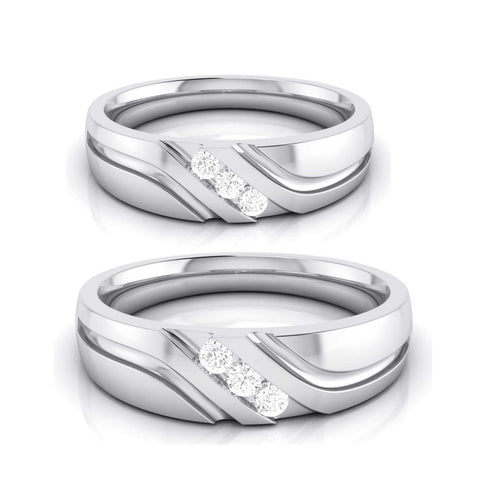
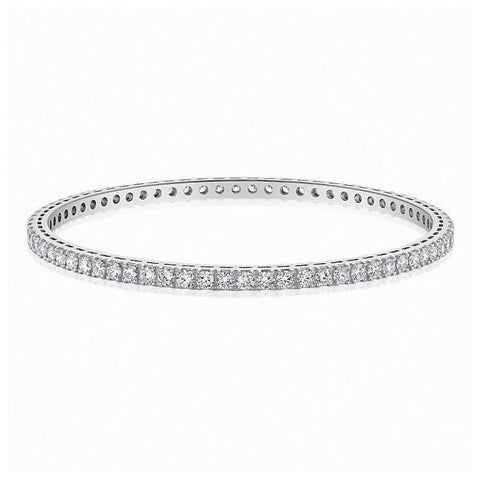
Platinum is a popular choice for fine jewelry due to its enduring beauty and strength. Its natural white color and resistance to tarnish make it especially favored for engagement rings and wedding bands. However, to ensure you're getting the value you paid for, it's essential to verify that your platinum jewelry is genuine and pure. In this guide, we’ll show you how to test platinum at home, identify real platinum, and understand how to verify platinum purity easily and safely.
Understanding Platinum Purity Levels
Platinum jewelry is typically alloyed with other metals to enhance its durability. The platinum purity test is based on parts per thousand, indicating the percentage of pure platinum in the alloy. Common purity levels include:
-
850/1000: 85% pure platinum
-
900/1000: 90% pure platinum
-
950/1000: 95% pure platinum
What Does PT950 Mean?
If you've ever noticed a "PT950" stamp inside a platinum ring, you may wonder what it means. PT950 indicates that the jewellery contains 95% pure platinum and 5% other metals that improve strength and durability.
PT950 is considered the industry standard for premium platinum jewellery because it offers an excellent balance of purity, durability, and comfort. It is commonly used in engagement rings, wedding bands, and fine jewellery. Many women also explore a wide range of ring design for women crafted in PT950 for everyday elegance and long-lasting wear.
Other common platinum purity grades include:
-
PT900 – 90% pure platinum
-
PT850 – 85% pure platinum
In general, the higher the platinum content, the more valuable and hypoallergenic the jewellery tends to be.
PT950 vs PT900 vs PT850 Difference
Platinum jewellery is available in different purity grades. Understanding the differences can help you make an informed purchase.
|
Purity Mark |
Platinum Content |
Common Usage |
|
PT950 |
95% Platinum |
Premium engagement rings and wedding bands |
|
PT900 |
90% Platinum |
Fine jewellery requiring additional hardness |
|
PT850 |
85% Platinum |
Commercial jewellery and fashion jewellery |
PT950 remains the most popular choice because it offers high purity while maintaining excellent durability for everyday wear. PT900 and PT850 may be slightly harder due to the higher percentage of alloy metals, but they contain less platinum overall. Those looking for a classic yet refined everyday accessory often consider a bracelet for women in PT950 for the same reason maximum purity with reliable wearability.
Methods to Check Platinum Purity
There are multiple ways to test platinum at home or through a professional. Here are the most reliable methods:
1. Checking for Hallmarks
One of the easiest ways to verify platinum is to inspect for hallmarks. These official stamps indicate the metal's purity and authenticity. Common platinum hallmarks include:
-
"Pt"
-
"Plat"
-
"Pt950" (95% pure platinum)
-
"Pt900" (90% pure platinum)
-
"Pt850" (85% pure platinum)
These marks are usually found inside rings, on bracelet clasps, or in other discreet areas of the jewellery.
When purchasing platinum jewellery, always check that the hallmark is clearly visible and professionally stamped. Genuine platinum jewellery may also carry additional certification marks depending on the country of manufacture.
2. The Magnet Test
To identify real platinum, try the magnet test. Platinum is non-magnetic, so if your item reacts to a strong magnet, it may contain magnetic metals and might not be pure. This test is a quick initial check, but it's not definitive as some non-platinum metals are also non-magnetic. This applies equally whether you are checking a ring design for men or a pendant, as the same principle holds across all platinum jewellery forms.
3. The Ice Test
The ice test is a popular way to perform a basic platinum authenticity check at home. Platinum transfers heat efficiently, which causes ice placed on its surface to melt relatively quickly.
To perform the test:
-
Place the jewellery on a flat surface.
-
Put a small ice cube directly on the platinum item.
-
Observe how quickly the ice melts.
While this test cannot confirm platinum purity, it may provide an initial indication that the metal has properties similar to genuine platinum. For accurate verification, professional testing is always recommended.
Pro Tip: Instead of worrying about testing, shop from trusted sources like Jewelove, where every platinum piece is certified for purity and craftsmanship.
4. Acid Testing
Acid testing is another method used to assess platinum authenticity. Special testing acids are applied to the metal and the reaction is observed. Genuine platinum is highly resistant to corrosion and typically shows little to no reaction.
Because acid testing involves hazardous chemicals and may damage jewellery if performed incorrectly, it is generally recommended that this procedure be carried out by a qualified jeweller rather than at home.
5. Hydrogen Peroxide Test
Platinum acts as a catalyst, so when hydrogen peroxide is applied, it bubbles vigorously. This simple chemical reaction is a useful way to test platinum at home. However, always handle chemicals safely and consult a jeweler if you're unsure. This method works across various jewellery types, whether you are testing a bracelet for men or a ring, as the catalytic property remains consistent across all platinum items.
6. Professional Appraisal
For a definitive assessment, consulting a professional jeweler is recommended. Jewelers have specialized equipment, such as electronic testers and X-ray fluorescence (XRF) machines, to accurately determine the metal's composition and purity. They can also provide certification for insurance and resale purposes.
How to Verify a Platinum Purity Certificate Online
In addition to physical testing, buyers can verify platinum jewellery through authenticity certificates provided by trusted jewellers.
When reviewing a platinum certificate, check for:
-
Platinum purity grade (PT950, PT900, or PT850)
-
Certificate or serial number
-
Product specifications
-
Retailer or manufacturer details
If your jewellery includes a hallmark certification number, you may also be able to verify the information through relevant hallmarking authorities, depending on your country.
Purchasing from trusted jewellers that provide certification helps ensure the platinum purity and authenticity of your jewellery.
Importance of Verifying Platinum Purity
Understanding how to identify real platinum and confirm its purity is crucial for several reasons:
-
Value Assurance: The value of platinum jewelry is directly related to its purity. Verifying purity ensures you are paying a fair price.
-
Durability and Wear: Higher purity platinum offers better durability and maintains its appearance over time. Those wondering are platinum bracelets suitable for daily wear will find that PT950-grade pieces hold up exceptionally well even with regular use.
Hypoallergenic Properties: Pure platinum is hypoallergenic, making it suitable for sensitive skin.
Conclusion
Investing in platinum jewelry blends beauty, durability, and long-term value. By learning how to test platinum at home using methods like the magnet, ice, and peroxide tests, or by seeking a professional platinum purity test, you can confidently assess the authenticity of your piece. Whether you're checking hallmarks, these steps will help you make an informed, secure investment.
Explore authentic platinum rings, bracelets, and necklaces at Jewelove India’s premier destination for hallmarked platinum.
Frequently Asked Questions
Q1. How can I check if my platinum jewelry is real?
Ans: Look for hallmarks like “Pt,” “Plat,” “Pt 950,” or “Pt 900,” or use home tests like magnet, ice, or hydrogen peroxide tests.
Q2. What does Pt 950 or Pt 900 mean?
Ans: Pt 950 means 95% pure platinum, and Pt 900 means 90% pure platinum.
Q3. Can a magnet test verify platinum purity?
Ans: Platinum is non-magnetic. If it reacts to a magnet, it may not be pure.
Q4. How does the ice test work for platinum?
Ans: Place ice on the jewelry; if it melts faster than on other surfaces, the piece is likely real platinum due to its thermal conductivity.
Q5. Is acid testing safe at home?
Ans: Acid testing can verify platinum but is risky and can damage the jewelry. It’s best done by a professional.
Q6. Can hydrogen peroxide test platinum?
Ans: Yes, platinum acts as a catalyst, causing bubbling with hydrogen peroxide. Handle chemicals carefully.
Q7. Should I consult a professional for platinum verification?
Ans: Yes, jewelers use tools like XRF machines and electronic testers for accurate platinum purity verification.
Q8. Why is verifying platinum purity important?
Ans: It ensures value, durability, and hypoallergenic safety for your jewelry investment.
html