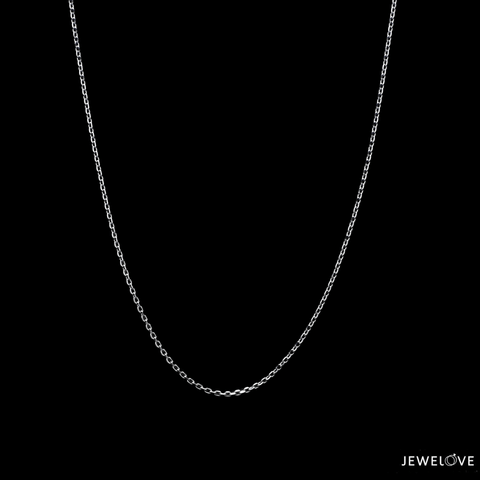
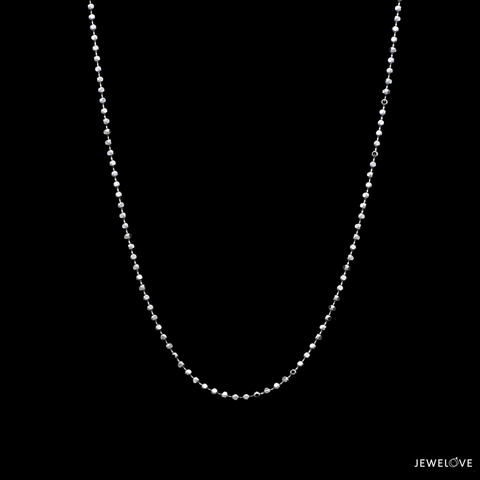
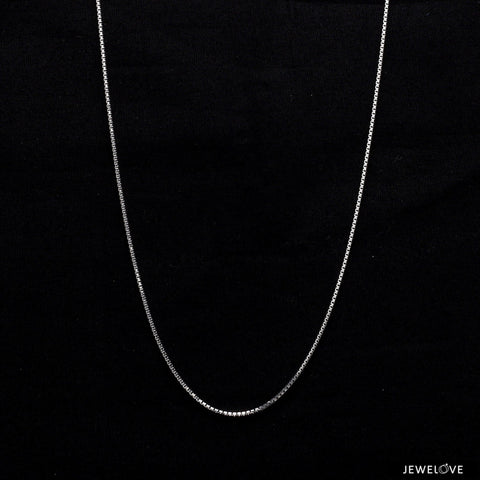
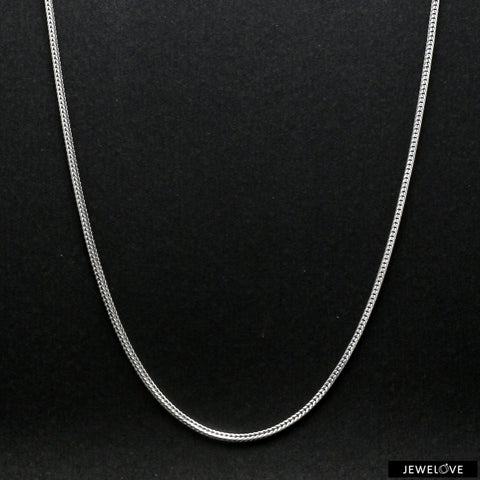
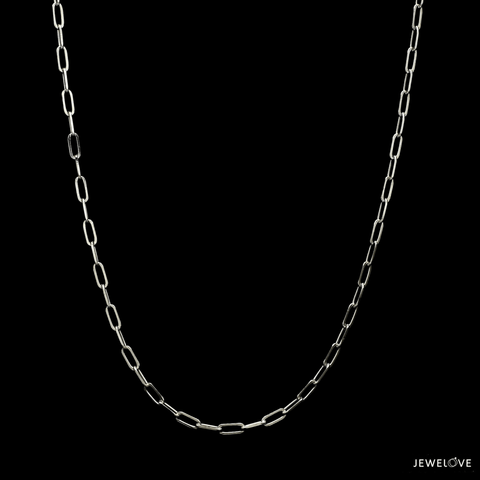
How to identify a real platinum chain? This is one of the most important questions every jewelry buyer should ask before investing in a platinum chain. Platinum is a rare and precious metal, renowned for its natural white luster, durability, and ability to retain its shine for decades. Many buyers make the mistake of purchasing white gold or silver chains that appear similar but do not have the value or lasting quality of authentic platinum.
In this detailed guide, we will show you exactly how to identify a real platinum chain using simple yet effective methods. From hallmarks and weight comparisons to shine, magnet tests, and certification, you will learn how to distinguish genuine platinum jewelry from imitations. By following these tips, you will not only protect your investment but also wear a piece of jewelry that is truly valuable, authentic, and enduring.
What Makes Platinum Unique?
Understanding what makes platinum distinct is crucial when learning how to identify a real platinum chain. Platinum is prized not only for its beauty but also for its unique physical and chemical properties. These qualities set it apart from gold, silver, and other metals:
- Natural White Luster: Platinum naturally has a soft, white hue that does not fade over time. Unlike white gold, which is plated with rhodium to achieve a similar appearance, platinum’s color is inherent and does not require polishing. This makes it easier to maintain and ensures that its shine remains subtle and elegant.
- High Density and Weight: Platinum is significantly denser than gold or silver, giving it a noticeable weight. When you hold two chains of the same size, the platinum chain will feel heavier and more substantial. This is an important characteristic to consider when asking how to identify a real platinum chain because imitations are often lighter.
- Hypoallergenic and Corrosion Resistant: Platinum is hypoallergenic and does not react with moisture, sweat, or chemicals. This makes it ideal for individuals with sensitive skin. A genuine platinum chain will not cause irritation, tarnish, or discolor over time.
- Purity Standards: Jewelove uses only Pt950 certified platinum, meaning it is 95% pure. This high standard guarantees durability, authenticity, and long-lasting value. Understanding these properties will help you recognize genuine platinum jewelry and answer the question of how to identify a real platinum chain.
Step-by-Step Guide: How to Identify a Real Platinum Chain
Step 1: Check the Hallmark
The first step in learning how to identify a real platinum chain is to look for hallmarks. Authentic platinum chains are stamped with marks such as Pt950, Pt900, or PLAT. These hallmarks indicate the metal’s purity and are usually located on the clasp or inside the links.
Jewelove chains also include PGI (Platinum Guild International) certification, which guarantees the authenticity of the platinum used. Always check for hallmarks carefully, as counterfeit chains may attempt to mimic these markings. A genuine chain will clearly display the stamp and will feel solid when held.
Step 2: Feel the Weight and Density
Platinum’s weight is another reliable indicator of authenticity. It is about 40% heavier than gold and significantly denser than silver. When comparing chains of similar size, the difference is easily noticeable.
If a chain feels lighter than expected, it may be made from an alloy or plated metal. Paying attention to weight is an essential step when determining how to identify a real platinum chain.
Step 3: Observe the Color and Shine
Platinum has a natural white hue that is softer and more subtle than rhodium-plated metals. White gold and silver may appear shinier or reflect more light, but this can be misleading. Authentic platinum develops a soft patina over time, which adds character and depth to the chain without diminishing its elegance.
Regular polishing is not necessary for platinum, unlike plated metals, which lose their shine and require maintenance. Observing the color and sheen closely can help you accurately identify a genuine chain.
Step 4: Conduct a Magnet Test
Platinum is non-magnetic. If a chain sticks to a magnet, it contains other metals or alloys and is unlikely to be genuine platinum. While this test does not provide a complete verification, it is a simple and effective way to eliminate counterfeit pieces before professional evaluation.
Step 5: Examine Wear and Tarnish
Platinum wears differently than other metals. Over time, it develops a soft patina rather than tarnishing or flaking. Silver tends to discolor, and gold may show signs of plating wear, but platinum remains consistent.
Jewelove platinum chains are designed to retain their finish and shine for years, even with regular use. Examining wear patterns is another key factor in answering how to identify a real platinum chain.
Step 6: Professional Verification
When in doubt, a professional jeweler can test platinum using methods such as XRF analysis or density testing. These tests confirm the metal’s purity without damaging the piece.
Every Jewelove chain comes with a PGI Certificate of Authenticity, ensuring that the platinum is genuine. This certification provides peace of mind for buyers and confirms the chain’s authenticity.
Common Mistakes When Identifying Platinum
Many buyers make common mistakes when trying to determine if their chain is real platinum. Avoid these errors to protect your investment:
-
Confusing white gold or silver with platinum
-
Overlooking hallmark placement on clasps or inner links
-
Relying solely on color or shine
-
Buying from unverified sellers or non-certified online stores
Recognizing these mistakes can help you confidently answer the question of how to identify a real platinum chain.
Platinum vs White Gold: Key Differences
When comparing platinum and white gold, several key differences help identify genuine platinum:
Platinum
-
Made of 95% pure platinum
-
Naturally white in color
-
Denser and heavier
-
Minimal maintenance required
-
Higher in price due to purity
-
Hallmarked with Pt950 or Pt900
White Gold
-
Made of gold mixed with white alloys
-
Requires rhodium plating for white appearance
-
Lighter than platinum
-
Needs periodic re-plating
-
Lower in price than platinum
-
Hallmarked with 18K, 14K, or similar
These distinctions are critical for buyers who want to know how to identify a real platinum chain accurately.
Why Choose Jewelove for Authentic Platinum Chains
Selecting a trusted brand is as important as knowing the metal. Here’s why Jewelove is the best choice:
-
Authorized PGI retailer, recognized in India as a leading platinum jewelry brand
-
Every chain is hallmarked Pt950 and comes with a PGI certificate
-
1000+ verified five-star reviews and a lifetime authenticity guarantee
-
Custom designs and engraving options for a personal touch
- Chains retain their finish and beauty over decades, making them an enduring investment
Conclusion
Knowing how to identify a real platinum chain is essential to protect your investment and wear jewelry that lasts a lifetime. Check for hallmarks, weight, natural color, non-magnetic properties, and professional certification to confirm authenticity.
Jewelove offers Pt950 platinum chains with PGI certificates, ensuring that every chain is genuine, high-quality, and a lifelong investment. By following this guide, you can confidently purchase platinum jewelry and enjoy its elegance and value for years to come.
Read Our Latest Blogs
What Are The Best Platinum Chain Designs For Men? | How To Choose The Right Chain Length For A Platinum Necklace? | Are Platinum Chains Heavier Than Gold Chains? | Can I Wear A Platinum Chain Every Day? | Is Platinum Chain Good For Sensitive Skin? | How Much Does A Platinum Chain Cost In India? | Are Platinum Chains Good For Pendants? | Can Platinum Chains Be Resized Or Repaired Easily? | Which Is Better For Men — Platinum Or Gold Chain?
Frequently Asked Questions
Q1. How can I test platinum purity at home safely?
Check hallmarks, compare the weight to similar chains, perform a non-magnetic test, and observe the color. Avoid acids or harsh chemicals at home.
Q2. Is Pt950 better than Pt900?
Yes, Pt950 is 95% pure platinum, providing higher durability, value, and resistance to wear than Pt900, which is 90% pure.
Q3. Does platinum lose its shine over time?
No, platinum develops a natural patina that enhances its appearance. It does not tarnish or discolor like silver or plated metals.
Q4. What certificates should a genuine platinum chain have?
A genuine chain should have a PGI certificate or a recognized laboratory verification confirming platinum purity.
Q5. Where can I buy authentic platinum jewelry online?
Only buy from certified retailers like Jewelove that provide hallmarked Pt950 chains with official certificates.
Q6. Can I identify platinum just by its color?
No. Color alone is not enough. Weight, hallmarks, and certification are essential to confirm authenticity.
Q7. Is platinum suitable for daily wear?
Yes, platinum is highly durable, hypoallergenic, and resistant to corrosion, making it ideal for everyday wear.
Q8. Can platinum jewelry be insured?
Yes. Jewelove provides free insured delivery, and authentic chains with PGI certification are easy to insure.