There are many types of ear piercings available today, from classic lobe piercings to intricate cartilage placements such as helix, tragus, conch, rook, and industrial styles. Each piercing differs in terms of placement, pain level, healing time, and jewelry options.
Whether you are considering your first ear piercing or planning a curated ear look, understanding the anatomy, healing process, and styling possibilities can help you make the right choice. This guide covers the most popular ear piercing names, their pain levels, healing times, jewelry recommendations, and aftercare tips to help you choose confidently.
Ear piercings have become a major part of fashion and self expression. Today, people combine multiple ear piercing types to create curated ear looks that reflect personality and lifestyle. Whether you are considering a subtle ear piercing for women or researching bold cartilage styles, this detailed guide by Sambhav Karnawat explains all the important types of ear piercings in depth.
What Are Ear Piercings
An ear piercing is a small hole created in the ear to allow jewelry to be worn. The practice has existed for centuries across many cultures and continues to evolve with modern trends. There are several different types of ear piercings, which are generally divided into soft tissue piercings and cartilage piercings.
Soft tissue piercings include the ear lobe piercing and upper lobe placements. Cartilage piercings include helix, tragus, conch, rook, snug, and industrial styles. Each of these types of ear piercing has different healing characteristics because cartilage receives less blood flow than the lobe.
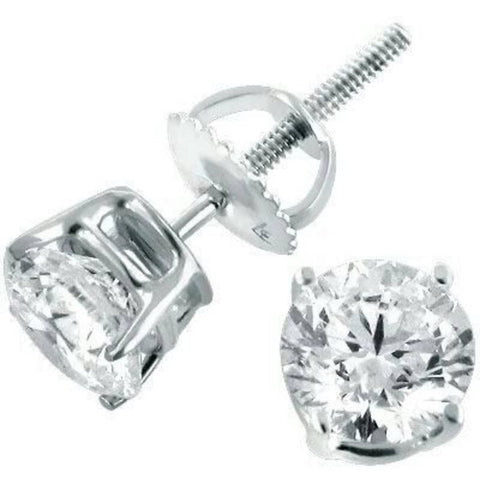
Professional piercers use sterile needles to perform ear piercings safely. If you are considering piercing ear cartilage, it is important to choose a licensed and experienced professional to minimize risks. Once healed, cartilage placements pair beautifully with fine jewelry, and simple platinum earrings are among the most popular choices for their clean, understated elegance that complements any placement without overpowering it.
Ear Piercing Placement Map (Understanding the Anatomy)
To understand the different ear piercing types, it is important to first understand ear anatomy.
The ear is divided into two main areas:
-
Soft tissue piercings – includes lobe and upper lobe
-
Cartilage piercings – includes helix, tragus, conch, rook, and more
Soft tissue piercings are generally less painful and heal faster. In contrast, cartilage-based upper ear piercing placements take longer to heal due to lower blood circulation.
Understanding these zones helps when choosing between different types of ear piercings, especially if you are planning multiple piercings.
Main Types of Ear Piercings
Below is a detailed explanation of the most popular types of ear piercings, including pain levels, healing expectations, and style considerations.
Lobe Piercing
The lobe piercing is the most traditional and widely accepted among all types of ear piercings. It is located in the soft lower section of the ear.
-
Pain level: Mild discomfort, often rated 2 out of 10
-
Healing time: Approximately 6 to 8 weeks
The ear lobe piercing is ideal for beginners because it heals quickly and allows a wide range of jewelry options. Studs, hoops, and small drop earrings all work well in this placement. Among all ear piercing names, this is the most common and universally suitable option. Those who want to elevate their lobe look with a touch of luxury can explore platinum chain with diamond pendant sets, which pair a refined neckline piece with matching earrings for a coordinated, polished finish.
Upper Lobe Piercing
An upper lobe piercing sits slightly above the standard lobe placement but remains in the soft tissue area.
-
Pain level: Mild to moderate, around 3 out of 10
-
Healing time: Around 8 to 10 weeks
This upper ear piercing works beautifully in stacked combinations. Many people combine a lobe piercing with an upper lobe piercing to create dimension. It is one of the easiest different ear piercings to maintain.
Helix Piercing
The helix piercing is placed along the outer rim of the upper cartilage. It is one of the most popular cartilage types of ear piercings.
-
Pain level: Moderate, about 5 out of 10
-
Healing time: 6 to 9 months
Because it is a cartilage piercing, healing takes longer than lobe based ear piercings. Hoops and flat back studs are common jewelry choices. Among different types of ear piercings, the helix is considered stylish yet versatile.
Forward Helix Piercing
The forward helix is positioned at the front of the upper ear near the face.
-
Pain level: Moderate to slightly high
-
Healing time: 6 to 9 months
This upper ear piercing is often chosen for minimalist jewelry pieces. Many curated ear designs include multiple forward helix placements, making it one of the trendiest ear piercing types.
Tragus Piercing
The tragus piercing is located on the small cartilage flap that partially covers the ear canal.
-
Pain level: Moderate, around 6 out of 10
-
Healing time: 6 to 12 months
This placement adds subtle sophistication. Small studs are typically preferred. When people research ear piercing names, the tragus frequently appears as a fashionable yet understated choice.
Anti Tragus Piercing
The anti tragus sits opposite the tragus just above the lobe.
-
Pain level: Moderate to high
-
Healing time: 8 to 12 months
This is one of the less common types of ear piercings and may not suit all ear shapes. Because it is cartilage based, proper aftercare is essential.
Conch Piercing
The conch piercing is located in the central cartilage area of the ear.
-
Pain level: Moderate
-
Healing time: 6 to 12 months
There are inner and outer variations, each offering a distinct look. Large hoops that wrap around the ear are especially popular in this placement. Among different ear piercings, the conch offers dramatic styling possibilities, making it a great choice to pair with statement pieces from Jewelove.
Daith Piercing
The daith is placed in the inner fold of cartilage above the ear canal.
-
Pain level: Moderate to high
-
Healing time: 6 to 9 months
Some individuals associate this placement with migraine relief, though scientific evidence remains limited. It remains one of the distinctive types of ear piercing in modern trends.
Rook Piercing
The rook is located in the inner cartilage ridge above the daith.
-
Pain level: High
-
Healing time: 6 to 12 months
It is often mentioned among the most painful ear piercings due to the thickness of the cartilage in that area.
Industrial Piercing
The industrial piercing connects two cartilage holes with a single straight barbell.
-
Pain level: High, typically 7 to 8 out of 10
-
Healing time: 9 to 12 months
This bold style stands out among all types of ear piercings. Because it involves two piercings, healing can be more complex.
Snug Piercing
The snug piercing is positioned along the inner cartilage ridge.
-
Pain level: Very high
-
Healing time: Up to 12 months
When discussing which ear piercing hurts the most, snug is often mentioned due to its challenging placement.
Flat Piercing
The flat piercing is positioned on the broad, flat cartilage area between the helix and rook.
Pain level: Moderate, around 5 out of 10
Healing time: 6 to 9 months
Flat piercings are popular for minimalist jewelry and work well as part of multi-piercing combinations.
Auricle Piercing
Located on the outer cartilage between the lobe and helix, the auricle piercing offers a balanced look between traditional and cartilage placements.
Pain level: 4 out of 10
Healing time: 3 to 9 months
Orbital Piercing
An orbital piercing connects two separate holes with a single ring, creating a distinctive circular appearance.
Pain level: Moderate
Healing time: 6 to 12 months
Hidden Helix Piercing
The hidden helix sits beneath the upper rim of the ear and is designed to create a subtle, elegant effect.
Pain level: 5 out of 10
Healing time: 6 to 9 months
Transverse Lobe Piercing
Unlike a standard lobe piercing, this placement passes horizontally through the earlobe using a straight barbell.
Pain level: 4 out of 10
Healing time: 2 to 4 months
Pain Levels & Healing Chart
Here’s a quick comparison of ear piercing types:
| Piercing Type | Pain Level | Healing Time |
|---|---|---|
| Lobe | 2/10 | 6–8 weeks |
| Upper Lobe | 3/10 | 8–10 weeks |
| Transverse Lobe | 4/10 | 2–4 months |
| Auricle | 4/10 | 3–9 months |
| Helix | 5/10 | 6–9 months |
| Forward Helix | 5/10 | 6–9 months |
| Flat | 5/10 | 6–9 months |
| Tragus | 6/10 | 6–12 months |
| Conch | 6/10 | 6–12 months |
| Daith | 6/10 | 6–9 months |
| Rook | 7/10 | 6–12 months |
| Industrial | 8/10 | 9–12 months |
| Snug | 8–9/10 | 9–12 months |
Cartilage placements generally heal slower than lobe-based ear piercings.
Why Some Ear Piercings Hurt More Than Others
Pain varies across different types of ear piercings due to:
-
Cartilage thickness – thicker areas increase pressure
-
Lower blood flow – slows healing
-
Nerve sensitivity – some areas react more intensely
This is why softer ear piercing types like the lobe feel minimal, while cartilage placements such as snug or rook feel more intense.
Do Ear Piercings Have Meanings?
While modern ear piercings are primarily aesthetic, some placements carry symbolic associations:
-
Lobe: classic and timeless
-
Helix: modern and expressive
-
Daith: linked to wellness beliefs
-
Industrial: bold and unconventional
In traditional contexts, including some Indian ear piercing types, piercings have also been associated with cultural and spiritual significance.
Best Ear Piercings for Women
Women often combine multiple piercing placements to create layered ear styling. Popular choices include lobe, upper lobe, helix, forward helix, tragus, conch, and daith piercings.
A combination of soft tissue and cartilage piercings can create a balanced curated ear look while allowing flexibility in jewelry choices. Women who want to complete their look with a fine jewelry complement can explore platinum wedding rings for women that pair beautifully with curated ear styling for a cohesive, polished aesthetic on special occasions.
Best Ear Piercings for Men
Ear piercings have become increasingly popular among men, with styles ranging from subtle single-lobe piercings to bold cartilage placements.
Popular options include:
-
Single lobe piercing
-
Double lobe piercing
-
Helix piercing
-
Tragus piercing
-
Industrial piercing
These styles offer a balance between personal expression and everyday wearability.
Which Ear to Pierce for Men in India
Many people wonder whether men should pierce the left or right ear. Historically, cultural beliefs varied, but modern fashion places no restrictions on either side.
Today, most men choose based on personal preference, facial symmetry, hairstyle, or overall style goals rather than traditional conventions. Men who want to enhance their piercing aesthetic with fine jewelry can also explore premium options like a 1 gram platinum chain, which pairs well with ear studs or hoops for a refined, coordinated look.
Best Jewelry for Each Piercing Type
Choosing the right jewelry enhances both comfort and appearance across all ear piercing types:
-
Lobe: studs, hoops, drop earrings
-
Upper lobe: stacked studs, small hoops
-
Helix: thin hoops, flat-back studs
-
Forward helix: minimalist studs
-
Tragus: micro studs
-
Conch: bold hoops or studs
-
Industrial: barbells
Selecting the right jewelry is key when styling different types of ear piercings. Those who also want to explore statement necklace options to complement their ear look can browse a wide range of necklace designs that work in harmony with both minimalist and layered ear styling.
How to Choose the Right Piercing
When selecting among different types of ear piercings, consider your pain tolerance, daily routine, and ear anatomy. As emphasized by Sambhav Karnawat, not all piercings suit every ear structure, so personalization is key.
Consulting a professional before piercing ear cartilage ensures proper placement and reduces complications.
Not all ear piercing types suit every ear, so professional consultation is recommended. For milestone occasions where a new piercing marks a meaningful moment, such as an engagement, couples can explore platinum engagement rings for couples to complete the celebration with jewellery that holds lasting significance.
Aftercare Tips for All Types of Ear Piercings
Proper aftercare plays an important role in preventing irritation and supporting healthy healing.
-
Clean Twice Daily: Use a sterile saline solution to clean the piercing area morning and evening.
-
Avoid Unnecessary Touching: Touching a new piercing with unwashed hands can introduce bacteria and increase the risk of infection.
-
Do Not Rotate Jewelry: Modern aftercare recommendations advise against rotating jewelry during healing.
-
Avoid Sleeping on Fresh Piercings: Pressure can cause swelling, irritation, and prolonged healing, particularly with cartilage piercings.
-
Avoid Swimming During Early Healing: Pools, lakes, and hot tubs may expose fresh piercings to bacteria.
-
Leave Jewelry in Place: Removing jewelry before healing is complete may cause the piercing to close. Once your piercing has fully healed and you are ready to invest in a statement piece, browsing luxury engagement rings can inspire a complete jewellery look that connects your ear styling with fine ring craftsmanship.
Final Thoughts
With so many different types of ear piercings available today, choosing the right one comes down to your style, comfort, and lifestyle. Whether you prefer a simple lobe or a fully curated ear, understanding the differences between ear piercing types helps you make a confident and informed decision.
As highlighted throughout this guide by Sambhav Karnawat, ear piercings are more than just a trend, they are a powerful form of self-expression with endless styling possibilities.
Frequently Asked Questions
Q1. What are the most common types of ear piercings?
The most common types of ear piercings include lobe, upper lobe, helix, tragus, and conch placements. Lobe piercings remain the most widely chosen option due to their quick healing and low pain level.
Q2. Which ear piercing hurts the most?
Among the most painful ear piercings, snug and industrial placements are often reported as the most uncomfortable because they pass through thicker cartilage areas.
Q3. How long do types of ear piercings take to heal?
Healing times vary. Lobe piercings may heal within two months, while cartilage types of ear piercings can take six months to a year for complete healing.
Q4. Can I sleep on a new ear piercing?
It is not recommended to sleep on a new ear piercing, especially cartilage placements. Pressure can cause irritation, swelling, and delayed healing.
Q5. Is cartilage piercing riskier than lobe piercing?
Cartilage piercings carry slightly higher risk because cartilage has less blood supply. However, with proper professional technique and aftercare, most ear piercings heal successfully.
Q6. Why do cartilage types of ear piercings take longer to heal?
Cartilage tissue receives less blood circulation than soft tissue, which slows the healing process compared to a standard ear lobe piercing.
Q7. Will my ear piercing close if I remove the jewelry?
New piercings can close quickly if jewelry is removed too early. Even healed ear piercing types may shrink if left without jewelry for extended periods.
Q8. What is the least painful ear piercing option?
The standard ear lobe piercing is considered the least painful among all types of ear piercings and is often recommended for first time clients.
Q9. What is the fastest healing ear piercing?
The standard lobe piercing typically heals the fastest, often within six to eight weeks.
Q10. Which ear piercing is best for beginners?
Lobe piercings are usually recommended for first-time clients because they heal quickly and involve minimal discomfort.
Q11. Can I wear headphones after getting a cartilage piercing?
It is best to avoid pressure from headphones or earbuds until swelling and tenderness have subsided.
Q12. What jewelry material is best for new piercings?
Implant-grade titanium, surgical steel, and high-quality gold are commonly recommended for fresh piercings.
Q13. How much does an ear piercing cost in India?
Pricing varies depending on the studio, location, jewelry quality, and piercing type.
Q14. Can I change jewelry before the piercing is fully healed?
Changing jewelry too early may cause irritation and delay healing.
Q15. Which cartilage piercing is easiest to heal?
The helix is often considered one of the more manageable cartilage piercings when proper aftercare is followed.
html