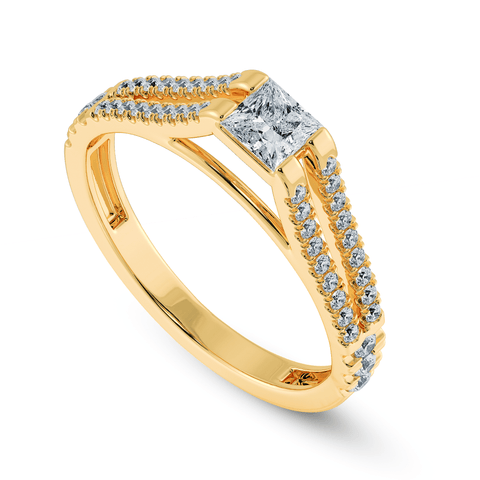
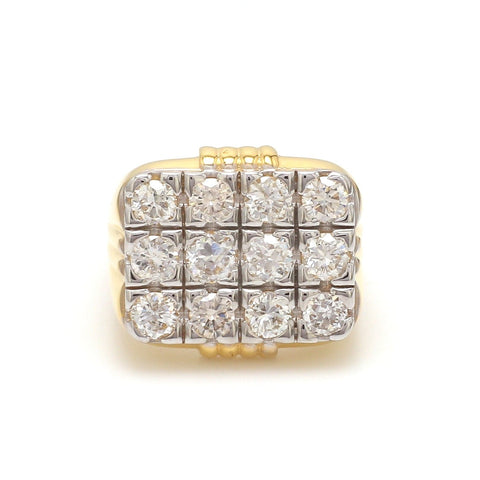
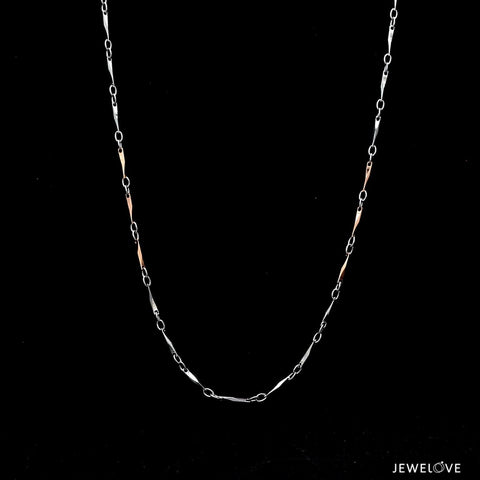
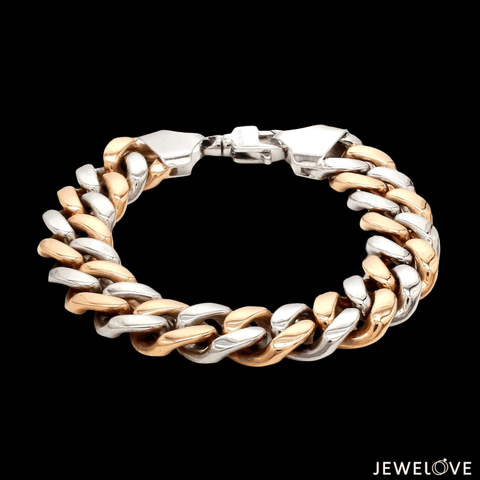
Gold-making charges are the labour and craftsmanship costs added to the actual gold value when purchasing jewellery. These charges may be calculated per gram, as a percentage of the gold price, or as a fixed amount. Design complexity, purity, craftsmanship quality, and brand reputation all influence the final making charges on gold jewellery.
Gold making charges are one of the biggest factors affecting the final jewellery bill, yet many buyers still focus only on the daily gold rate. In 2026, with gold prices remaining near record highs, understanding how making charges are calculated has become even more important for jewellery buyers looking to maximise value.
Whether you are buying wedding jewellery, daily wear ornaments, or investment pieces, understanding how these charges work can help you make smarter decisions. At Jewelove, transparency and craftsmanship remain central to every jewellery purchase experience, helping buyers understand exactly what they are paying for. Buyers who are also weighing the choice of metal beyond gold can read a detailed comparison of platinum or gold — which is more costly to understand the key pricing and quality differences before committing to a purchase.
What Are Gold Making Charges?
Gold making charges are the labour costs jewellers charge for transforming raw gold into finished jewellery. These charges cover the artistry, design work, polishing, engraving, stone setting, and finishing involved in crafting a piece.
When you buy jewellery, you are not paying only for the gold weight. You are also paying for the skill and craftsmanship required to create the design. Intricate bridal necklaces, handcrafted bangles, and designer engagement rings naturally involve more labour than simple chain designs.
In most cases, the final jewellery price includes:
-
Gold value based on current market rate
-
Making charges
-
GST
-
Stone or diamond costs (if applicable)
Trusted jewellers clearly mention all these components in the invoice to maintain pricing transparency. For buyers who want to understand how different precious metals compare in terms of value and craftsmanship cost, exploring how platinum, gold, and silver are used to make jewellery provides useful context on why making charges vary across metal types.
How Are Gold Making Charges Calculated?
Jewellers generally use three common methods to calculate gold making charges.
Gold Making Charges Per Gram
This is one of the most common pricing models in India.
In this method, a fixed amount is charged for every gram of gold used in the jewellery piece.
For example:
-
Gold weight: 20 grams
-
Making charges per gram: ₹800
-
Total making charges: ₹16,000
This pricing structure is straightforward and easy for customers to understand. It is commonly used for chains, bangles, and lightweight jewellery.
Percentage-Based Making Charges
Some jewellers calculate making charges as a percentage of the gold value.
For example:
-
Gold value: ₹2,00,000
-
Making charges: 12%
-
Total making charges: ₹24,000
Designer jewellery and handcrafted bridal pieces often attract higher percentage-based charges because they require more time and skilled craftsmanship.
Flat Making Charges
Certain modern or machine-made jewellery designs may carry fixed making charges regardless of weight.
This pricing method is common for:
-
Daily wear jewellery
-
Minimalist collections
-
Machine-finished ornaments
Flat pricing can sometimes benefit buyers purchasing lightweight jewellery.
Gold Making Charges Per Gram in 2026
Gold making charges per gram continue to be one of the most common pricing methods used by jewellers across India. Instead of charging a percentage of the jewellery value, the jeweller applies a fixed labour cost for every gram of gold used in the design.
Typical Gold Making Charges Per Gram in 2026
|
Jewellery Type |
Typical Charges |
|
Simple Chains |
₹300–₹500 per gram |
|
Daily Wear Rings |
₹400–₹700 per gram |
|
Designer Jewellery |
₹700–₹1,200 per gram |
|
Bridal Jewellery |
₹1,000–₹1,500+ per gram |
|
Handcrafted Antique Jewellery |
₹1,200–₹2,000+ per gram |
The exact charges vary based on design complexity, craftsmanship requirements, and jeweller pricing policies. Understanding gold making charges per gram allows buyers to compare jewellery prices more accurately and avoid unexpected costs.
Factors That Affect Gold Making Charges
Several factors influence how much jewellers charge for craftsmanship.
Jewellery Design Complexity
The more intricate the design, the higher the labour involved. Temple jewellery, antique designs, filigree work, and handcrafted bridal sets require exceptional detailing and precision.
Handmade vs Machine-Made Jewellery
Handmade jewellery typically carries higher making charges because skilled artisans spend hours crafting every detail manually. Machine-made jewellery is usually more affordable due to faster production processes.
Gold Purity
22KT jewellery generally requires more careful handling during crafting compared to lower-purity gold alloys. This can slightly affect making charges.
Stone Setting & Diamond Work
Jewellery pieces with diamonds, gemstones, or intricate settings require additional craftsmanship, increasing the overall labour cost. Couples planning an engagement will find this especially relevant when considering a platinum engagement ring with gold wedding band, where the combination of metals and precision stone setting adds to the overall craftsmanship investment.
Brand Reputation & Quality Standards
Established jewellery brands invest heavily in:
-
Skilled artisans
-
Hallmarking
-
Quality control
-
Finishing standards
-
After-sales services
These factors often justify slightly higher making charges.
As explained by jewellery expert Sambhav Karnawat, buyers should evaluate craftsmanship quality and transparency rather than focusing only on the lowest possible charges.
22KT vs 18KT Gold Making Charges: Is There a Difference?
Many buyers assume that 22KT jewellery automatically attracts higher making charges because of its higher gold purity. In reality, making charges are primarily influenced by the labour involved in creating the design.
|
Factor |
22KT Jewellery |
18KT Jewellery |
|
Gold Purity |
91.6% |
75% |
|
Common Usage |
Traditional Gold Jewellery |
Diamond & Designer Jewellery |
|
Stone Setting Work |
Lower |
Higher |
|
Design Complexity |
Moderate |
Often Higher |
|
Typical Making Charges |
5%–20% |
8%–25% |
Because 18KT jewellery is widely used for diamond engagement rings and intricate designer pieces, it may sometimes carry higher making charges than comparable 22KT jewellery despite containing less gold. A common question buyers also raise at this stage is whether white gold and platinum are the same understanding the difference between white gold, platinum, and silver can help clarify why these metals are priced differently and attract distinct making charge structures.
Minimum Making Charges on Gold in India
Many customers search for the minimum making charges on gold when comparing jewellery prices. While there is no fixed industry-wide minimum, machine-made jewellery and lightweight designs generally attract the lowest labour costs.
Jewellery categories that typically carry lower making charges include:
-
Plain gold chains
-
Lightweight earrings
-
Simple wedding bands
-
Machine-made bangles
-
Minimalist gold jewellery
However, buyers should not evaluate jewellery solely on making charges. Factors such as BIS hallmark certification, finishing quality, durability, and after-sales support are equally important when assessing overall value. Men looking for premium accessories at different price points can explore a curated range of platinum gold chains for men that offer a strong value-to-craftsmanship ratio compared to many traditional gold chain options.
Lowest Making Charges on Gold: Should You Always Choose the Cheapest Option?
Many buyers search for the lowest making charges on gold, believing it automatically means better value. However, extremely low charges can sometimes indicate compromises in quality.
Hidden Risks of Extremely Low Charges
Very low making charges may lead to:
-
Weak jewellery structure
-
Poor finishing
-
Less durable clasps and settings
-
Mass-produced designs
-
Hidden wastage costs
-
Lack of proper certifications
Some jewellers advertise low charges but recover costs through inflated wastage percentages or unclear billing.
Why Trusted Jewellers May Charge More
Premium jewellers often charge slightly higher making charges because they invest in:
-
Skilled craftsmanship
-
BIS hallmarked gold
-
Better finishing quality
-
Durable construction
-
Ethical sourcing
-
Transparent billing
-
Lifetime support services
In jewellery, long-term quality often matters more than short-term savings.
Gold Making Charges vs Wastage Charges
Many customers confuse making charges with wastage charges, but they are different.
-
Making Charges: These are labour costs for crafting the jewellery.
-
Wastage Charges: These compensate for gold lost during manufacturing processes such as cutting, polishing, engraving, and stone setting.
Certain handcrafted designs involve higher wastage because of intricate detailing and manual craftsmanship.
Always ask for a detailed billing breakdown before making a purchase.
How to Reduce Gold Making Charges Smartly
You can reduce your jewellery cost without compromising quality by following a few practical steps.
Compare Multiple Jewellers
Different brands use different pricing structures. Comparing invoices can help you identify fair pricing.
Buy During Festive Offers
Many jewellers offer reduced making charges during:
-
Akshaya Tritiya
-
Diwali
-
Wedding seasons
-
Anniversary sales
Choose Simpler Designs
Minimalist jewellery generally involves lower labour costs than heavily detailed bridal pieces. Men who prefer a refined but understated accessory can browse platinum and gold rings for men, which combine elegant design with practical wearability at a competitive craftsmanship cost.
Understand Gold Making Charges Per Gram
Always ask whether charges are calculated per gram, as a percentage, or as a fixed amount.
Transparent pricing helps you compare value more effectively.
Prioritise Certified Jewellery
A slightly higher making charge is often worthwhile if the jewellery comes with:
-
BIS hallmark certification
-
Proper invoice transparency
-
Buyback assurance
-
Quality craftsmanship
Typical Gold Making Charges in India
Making charges vary widely depending on jewellery type and design complexity.
Approximate Industry Range
|
Jewellery Type |
Typical Making Charges |
|
Simple chains |
5%–8% |
|
Daily wear rings |
8%–12% |
|
Bridal jewellery |
15%–25% |
|
Antique handcrafted jewellery |
20%–35% |
|
Machine-made jewellery |
Lower fixed rates |
These ranges can also vary by city, craftsmanship level, and jeweller reputation.
Why Craftsmanship Matters More Than Just Low Prices
Jewellery is not only a purchase, it is often tied to emotions, milestones, and family memories.
Poor craftsmanship may result in:
-
Loose stone settings
-
Weak clasps
-
Surface damage
-
Faster wear and tear
Well-crafted jewellery maintains its beauty and durability for years.
According to Sambhav Karnawat, modern jewellery buyers are becoming more informed and increasingly prioritising transparency, certification, and long-term value over aggressive discount marketing. Those considering platinum as an alternative to gold will find our latest platinum gold chain collection a compelling example of how premium craftsmanship and certified metal quality can justify a higher per-gram investment.
Why Smart Buyers Choose Transparent Jewellery Brands
Experienced jewellery buyers now look beyond advertisements and focus on trust indicators such as:
-
BIS hallmarking
-
Certified diamonds
-
Transparent invoices
-
Custom craftsmanship
-
Ethical sourcing
-
Buyback policies
-
Design expertise
Final Thoughts
Understanding gold making charges helps you become a smarter and more confident jewellery buyer. Instead of focusing only on the lowest possible price, evaluate jewellery based on craftsmanship, transparency, certification, and long-term value.
Whether you are purchasing bridal jewellery, engagement rings, or everyday wear, informed buying decisions can help you avoid hidden costs and ensure better quality.
If you are looking for jewellery crafted with transparency, certified quality, and modern craftsmanship, explore the collections at Jewelove and discover timeless designs built to last for generations.
Frequently Asked Questions
Q1. How are gold making charges calculated?
Gold making charges are calculated either per gram, as a percentage of the gold value, or as a fixed amount, depending on the jeweller and jewellery design.
Q2. Can gold making charges be negotiated?
Yes, many jewellers allow negotiation, especially during festive seasons, bridal purchases, or high-value transactions.
Q3. Is there a standard gold making charge in India?
No, making charges vary based on craftsmanship, jewellery complexity, brand reputation, and production method.
Q4. What are gold making charges per gram?
Gold making charges per gram refer to a fixed labour cost charged for every gram of gold used in the jewellery piece.
Q5. Why do handcrafted jewellery pieces have higher making charges?
Handcrafted jewellery requires skilled artisan work, intricate detailing, manual finishing, and longer production time.
Q6. Will lower making charges always save money?
Not necessarily. Extremely low making charges may sometimes indicate compromised craftsmanship, poor finishing, or hidden costs elsewhere in the bill.
Q7. What is the difference between making charges and wastage charges?
Making charges cover labour costs, while wastage charges account for gold loss during manufacturing and finishing processes.
Q8. Can making charges affect jewellery resale value?
Making charges are usually not fully recoverable during resale because buyers primarily pay for the gold value and purity rather than labour costs.
html