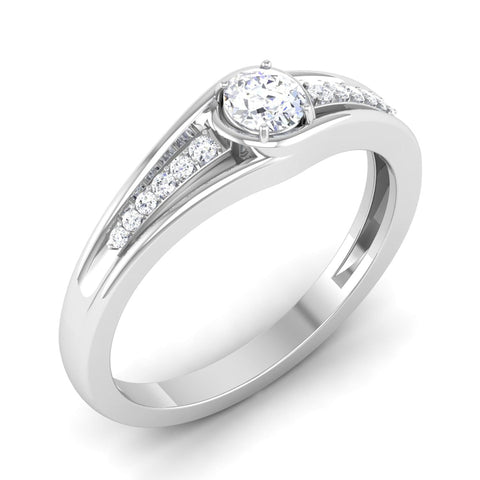
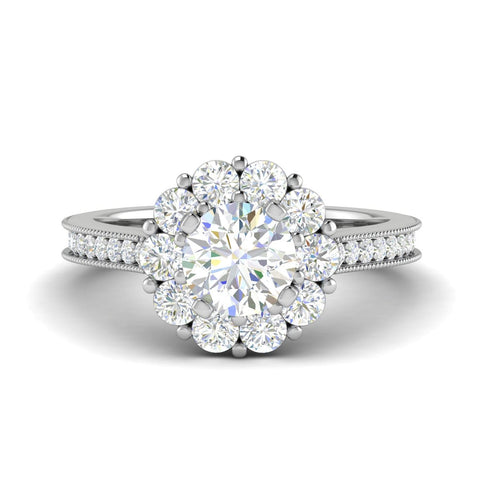
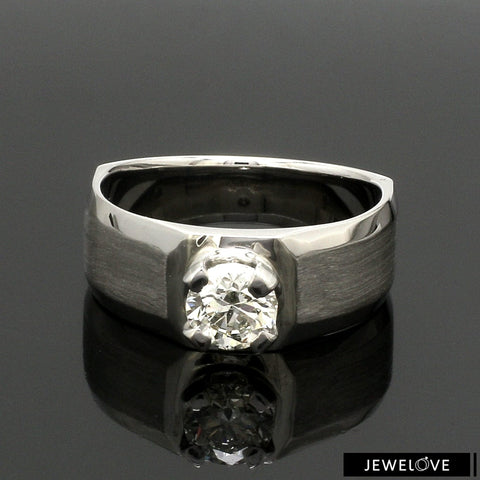
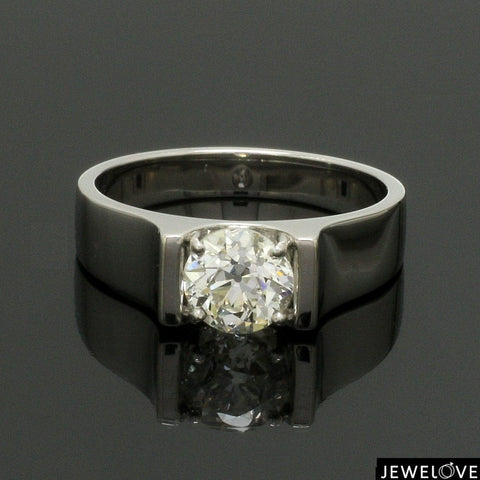
A lab-grown diamond and a natural diamond are identical in their physical, chemical, and optical properties. The primary difference lies in their origin and price. Lab-grown diamonds typically cost 40–70% less than comparable natural diamonds, making them an attractive option for buyers seeking exceptional quality, brilliance, and value without compromising on authenticity.
When comparing a lab-grown diamond vs natural diamond, the most important factors are price, quality, rarity, and long-term value. Both are real diamonds, but they differ in how they are created and priced. At Jewelove, we believe informed buyers make better decisions, which is why this guide explores every aspect of the lab-grown diamond vs natural diamond debate to help you choose the right diamond for your budget and preferences.
What Is a Lab-Grown Diamond?
A lab-grown diamond is a real diamond created in a highly controlled laboratory environment using advanced technology that replicates the natural diamond-growing process. These diamonds possess the same hardness, brilliance, fire, and durability as mined diamonds.
Two primary methods are used to create lab-grown diamonds:
HPHT (High Pressure High Temperature)
This process recreates the extreme heat and pressure conditions found deep within the Earth, allowing a diamond crystal to grow naturally.
CVD (Chemical Vapor Deposition)
In this method, carbon-rich gases are introduced into a vacuum chamber, where carbon atoms gradually form a diamond crystal layer by layer.
Are Lab-Grown Diamonds Real Diamonds?
Yes. Lab-grown diamonds are real diamonds. They are not simulants or substitutes. Even trained gemologists often require specialized equipment to distinguish a lab-grown diamond from a natural diamond.
What Is a Natural Diamond?
Natural diamonds are formed deep beneath the Earth's surface over billions of years under intense heat and pressure. Volcanic activity eventually brings these diamonds closer to the Earth's surface, where they are mined and processed.
The rarity and geological history associated with natural diamonds contribute significantly to their market value and pricing.
Lab-Grown Diamond vs Natural Diamond: Key Differences
|
Feature |
Lab-Grown Diamond |
Natural Diamond |
|
Origin |
Created in a laboratory |
Formed naturally underground |
|
Chemical Composition |
Carbon |
Carbon |
|
Hardness |
10 on Mohs Scale |
10 on Mohs Scale |
|
Appearance |
Identical to natural diamond |
Identical to lab-grown diamond |
|
Certification |
Available |
Available |
|
Price |
Lower |
Higher |
|
Rarity |
Manufactured |
Naturally rare |
|
Environmental Impact |
Generally lower |
Higher due to mining |
|
Resale Market |
Developing |
More established |
The discussion around lab-grown diamond vs natural diamond often begins with price, but modern buyers are increasingly considering sustainability, transparency, and overall value.
Lab-Grown Diamond vs Natural Diamond Price in India
For most buyers, pricing is the biggest deciding factor.
Average Price Comparison
A certified 1-carat lab-grown diamond can cost significantly less than a natural diamond of similar quality.
Approximate Price Ranges
- 1 Carat Lab-Grown Diamond: ₹40,000–₹1,20,000
- 1 Carat Natural Diamond: ₹2,00,000–₹6,00,000+
The exact price depends on cut, color, clarity, certification, and shape. For a detailed breakdown of what influences real diamond price in India, understanding these variables helps buyers make more confident decisions.
Why Are Lab-Grown Diamonds More Affordable?
Unlike natural diamonds, lab-grown diamonds do not require extensive mining operations, global supply chains, or the rarity premium associated with geological formation.
As a result, buyers can often purchase a larger, higher-quality diamond for the same budget.
This pricing advantage is one of the strongest arguments in the lab-grown diamond vs natural diamond comparison.
Lab-Grown Diamond vs Natural Diamond Quality
A common misconception is that lower cost means lower quality.
In reality, both diamond types are graded using the same internationally recognized standards.
The 4Cs Matter More Than Origin
- Cut: The most important factor affecting sparkle and brilliance.
- Color: Measures how colorless a diamond appears.
- Clarity: Evaluates internal and external imperfections.
- Carat: Refers to the weight of the diamond.
Whether you choose a lab-grown or natural diamond, these factors determine quality.
Do They Sparkle the Same?
Yes.
From a visual perspective, there is no noticeable difference between a high-quality lab-grown diamond and a natural diamond. Both exhibit the same brilliance, fire, and scintillation.
This is why many consumers researching lab-grown diamond vs natural diamond are surprised to learn that appearance is virtually identical. Those considering a solitaire diamond will find that lab-grown options deliver the same visual impact as their natural counterparts.
Lab-Grown Diamond vs Natural Diamond Value
Value means different things to different buyers.
Value for Money
Lab-grown diamonds offer exceptional value because buyers can obtain larger sizes and better specifications at a lower cost.
Emotional Value
Natural diamonds often carry a sense of rarity and geological history that some buyers find meaningful.
Practical Value
For engagement rings, anniversary gifts, and everyday jewellery, platinum and diamond rings for women set with lab-grown diamonds allow consumers to maximize beauty and quality within a defined budget.
When evaluating lab-grown diamond vs natural diamond, understanding your personal priorities is essential.
Do Lab-Grown Diamonds Have Resale Value?
Both natural and lab-grown diamonds generally experience depreciation after purchase.
Natural diamonds currently have a more established resale market due to their historical presence in the jewellery industry.
However, many consumers today purchase diamonds for personal enjoyment rather than investment purposes.
Experts, including jewellery educators such as Sambhav Karnawat, often encourage buyers to focus on craftsmanship, certification, and emotional significance rather than treating diamonds solely as financial assets.
Sustainability and Ethical Considerations
Modern buyers are increasingly interested in responsible sourcing.
Environmental Impact
Traditional diamond mining requires significant land use, energy, and water resources.
Ethical Considerations
Lab-grown diamonds provide an alternative for buyers concerned about mining-related environmental and social issues.
Changing Consumer Preferences
Younger generations are prioritizing sustainability, transparency, and value, contributing to the growing popularity of lab-grown diamonds globally.
What Is American Diamond?
Many consumers confuse American diamonds with lab-grown diamonds, but they are entirely different products.
An American diamond is not a diamond at all.
It is typically made from Cubic Zirconia (CZ), a synthetic gemstone designed to resemble a diamond.
What Is American Diamond Made Of?
American diamonds are usually manufactured using zirconium dioxide and other synthetic materials.
Is American Diamond a Real Diamond?
No.
Unlike lab-grown diamonds, American diamonds do not share the same chemical composition, hardness, or durability as real diamonds.
American Diamond vs Real Diamond
|
Feature |
American Diamond |
Real Diamond |
|
Composition |
Cubic Zirconia |
Carbon |
|
Hardness |
Lower |
Higher |
|
Durability |
Moderate |
Excellent |
|
Longevity |
Limited |
Lifetime |
|
Certification |
Rare |
Common |
|
Value Retention |
Minimal |
Better |
Understanding american diamond vs real diamond is important because many shoppers mistakenly assume both are genuine diamonds.
American Diamond Price in India
One reason American diamonds remain popular is affordability.
Typical American Diamond Price
- Earrings: ₹500–₹5,000
- Rings: ₹1,000–₹10,000
- Sets: ₹2,000–₹20,000
The exact american diamond price depends on design complexity, metal quality, and craftsmanship.
While American diamonds are suitable for fashion jewellery, they do not offer the durability or prestige of a certified diamond. Buyers curious about how diamond and platinum compare in terms of cost can also explore is platinum expensive than diamond for a helpful breakdown.
How to Identify a Real Diamond, Lab-Grown Diamond, and American Diamond
- Check Certification: Always look for certificates from recognized laboratories such as IGI or GIA.
- Verify Laser Inscription: Many certified diamonds include laser inscriptions on the girdle.
- Seek Professional Evaluation: A qualified gemologist can accurately identify diamond origin and authenticity.
- Understand the Product Description: Knowing what is american diamond versus a lab-grown diamond helps prevent confusion when purchasing jewellery. For those considering jewellery with premium finishes, diamond platinum stud earrings are a certified option worth exploring.
Which Diamond Should You Buy in India?
Choose a lab-grown diamond if:
- You want maximum value.
- You prefer a larger diamond within your budget.
- Sustainability matters to you.
- You prioritize quality over rarity.
Choose a natural diamond if:
- Geological rarity is important to you.
- You appreciate the history associated with naturally formed diamonds.
- You prefer a traditionally established market.
For couples exploring options together, a platinum diamond ring for couple offers an elegant way to celebrate commitment while balancing quality and value.
Why More Indian Buyers Are Choosing Lab-Grown Diamonds
The Indian jewellery market is evolving rapidly. Buyers are becoming more informed, comparison-driven, and value-conscious. Those seeking refined options can explore everything from a diamond luxury ring to everyday certified pieces designed for lasting wear.
As Sambhav Karnawat and the team at Jewelove continue educating consumers about diamond transparency and certification, more buyers are recognizing that lab-grown diamonds provide the same brilliance and durability as mined diamonds while offering substantial savings.
Discover Certified Lab-Grown Diamond Jewellery at Jewelove
At Jewelove, every diamond is selected with a focus on quality, transparency, and craftsmanship. Whether you're searching for an engagement ring, solitaire pendant, wedding jewellery, or a meaningful gift, our collection of certified lab-grown diamonds allows you to enjoy exceptional brilliance and value.
Explore Jewelove's expertly crafted diamond jewellery and make a confident choice backed by certification, education, and trust.
Frequently Asked Questions
Q1. What is the main difference between a lab-grown diamond and a natural diamond?
The main difference is origin. Lab-grown diamonds are created in laboratories, while natural diamonds are formed underground over billions of years.
Q2. What is American diamond?
An American diamond is typically Cubic Zirconia, a diamond simulant that resembles a diamond but is not a real diamond.
Q3. How can I tell if a diamond is lab-grown?
The most reliable way is through certification from laboratories such as IGI or GIA and professional gemological testing.
Q4. How much does a 1-carat lab-grown diamond cost in India?
Depending on quality and certification, prices generally range from ₹40,000 to ₹1,20,000.
Q5. Can lab-grown diamonds be certified?
Yes. Lab-grown diamonds can receive certification from leading gemological laboratories.
Q6. Can American diamonds replace real diamonds?
American diamonds can be a budget-friendly fashion alternative, but do not match the durability, prestige, or longevity of real diamonds.
Q7. Is a lab-grown diamond a real diamond?
Yes. It has the same chemical, physical, and optical properties as a natural diamond.
Q8. Why are lab-grown diamonds cheaper than natural diamonds?
They do not require mining, have lower production costs, and are not subject to the rarity premium associated with natural diamonds.