Platinum, gold, and silver are used to make jewellery because they are durable, beautiful, corrosion-resistant, and easy to craft into intricate designs. Their rarity, long-lasting shine, and ability to retain value make them the most trusted precious metals for fine jewellery, engagement rings, wedding bands, and everyday accessories.
If you've ever wondered why platinum gold and silver are used to make jewellery, the answer lies in their unique combination of beauty, durability, rarity, and workability. At Jewelove, we believe understanding these precious metals helps buyers make informed decisions when investing in jewellery that can be cherished for generations. For a deeper exploration of this topic, our dedicated guide on platinum gold and silver are used to make jewellery covers the science and heritage behind each metal in detail.
What Makes a Metal Suitable for Jewellery?
Not every metal can be transformed into fine jewellery. The metals used in jewellery must possess specific physical and chemical properties that allow them to maintain their beauty and durability over time.
Durability and Strength
Jewellery is worn regularly and exposed to daily activities. Suitable metals must withstand scratches, pressure, and wear without losing their structural integrity.
Malleability and Ductility
Jewellers require metals that can be shaped into intricate patterns and detailed designs. Gold, silver, and platinum are highly malleable, making them ideal for crafting everything from delicate chains to elaborate rings. From platinum silver chain designs to ornate gold bangles, this workability is what makes these metals so versatile.
Resistance to Corrosion
One major reason why platinum gold and silver are used to make jewellery is their ability to resist corrosion. Unlike many common metals, they do not rust easily and maintain their appearance for years.
Natural Beauty
These precious metals possess a natural lustre that enhances their visual appeal without requiring artificial coatings or treatments.
Rarity and Value
Scarcity contributes significantly to the desirability of precious metals. Their rarity makes them valuable not only as jewellery but also as long-term assets.
Why Gold Is Used to Make Jewellery
Gold has been treasured for thousands of years and continues to be one of the most popular jewellery metals worldwide.
Exceptional Workability
Gold is among the most malleable metals known to humans. Skilled artisans can create highly detailed designs without compromising strength.
Resistance to Tarnishing
Pure gold does not rust or corrode, allowing jewellery pieces to maintain their appearance for decades.
Timeless Appeal
Across cultures and generations, gold symbolizes wealth, celebration, and prestige. Its universal appeal is one reason why platinum gold and silver are used to make jewellery in nearly every part of the world.
Available in Different Colours
Modern jewellery offers gold in various shades:
-
Yellow Gold
-
White Gold
-
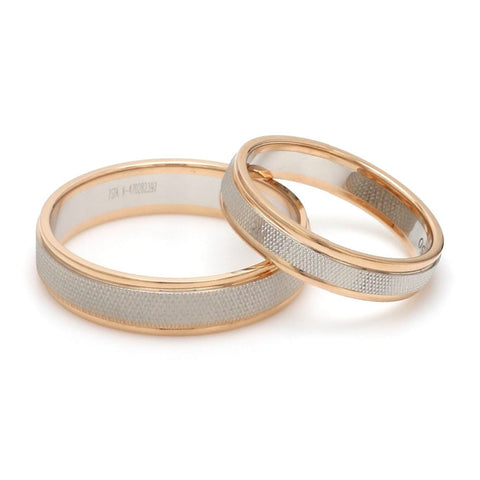
Rose Gold
This versatility allows consumers to choose styles that match their preferences. If you've ever wondered whether white gold and platinum are the same thing, our guide on is white gold and platinum same explains the key differences clearly.
Investment Potential
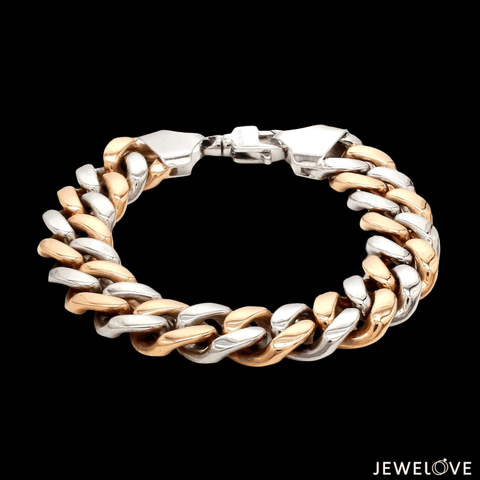
Gold jewellery often combines emotional value with financial worth, making it a popular choice for gifting and wealth preservation. For those looking to diversify their jewellery wardrobe, gold and platinum bracelets offer a contemporary way to wear both metals together.
Why Silver Is Used to Make Jewellery
Silver remains one of the most accessible precious metals used in jewellery.
-
Bright and Attractive Appearance: Silver's brilliant white shine gives jewellery an elegant and contemporary look.
-
Affordable Luxury: Compared to gold and platinum, silver offers an affordable entry point into precious metal jewellery ownership.
-
Versatility: Silver complements both traditional and modern designs, making it suitable for various fashion preferences.
-
Ideal for Daily Wear: Sterling silver jewellery is durable enough for regular use while maintaining its attractive appearance with proper care.
-
Sterling Silver vs Pure Silver: Most jewellery uses sterling silver, which contains 92.5% silver combined with other metals to improve strength and durability.
Why Platinum Is Used to Make Jewellery
Platinum is widely regarded as one of the finest jewellery metals available today.
-
Naturally White Metal: Unlike white gold, platinum naturally possesses a bright white colour that does not fade over time.
-
Exceptional Durability: One of the strongest reasons why platinum gold and silver are used to make jewellery is platinum's outstanding durability. It can withstand decades of wear while retaining its structure.
-
Hypoallergenic Properties: Platinum is often recommended for people with sensitive skin because of its high purity and low risk of causing irritation.
-
High Purity Standards: Most platinum jewellery contains 95% pure platinum, making it significantly purer than many gold alloys.
-
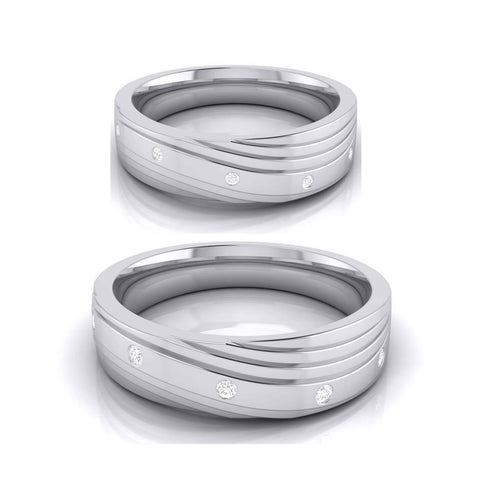
Excellent Diamond Security: Platinum's strength helps secure precious gemstones firmly in place, making it a preferred choice for engagement rings and heirloom jewellery. If you're considering a platinum piece, even a 1 gram platinum ring from Jewelove reflects the exceptional craftsmanship and quality the metal is known for.
-
Preferred for Wedding Jewellery: Many couples choose platinum wedding bands because of their durability, purity, and enduring appearance.
Platinum vs Gold vs Silver: Key Differences
Appearance
-
Platinum: Naturally white and sophisticated
-
Gold: Available in yellow, white, and rose tones
-
Silver: Bright white with reflective shine
Durability
-
Platinum offers the highest durability.
-
Gold provides excellent longevity.
-
Silver requires more maintenance but remains durable.
Purity
-
Platinum jewellery is typically 95% pure.
-
Gold purity varies from 14K to 24K.
-
Sterling silver contains 92.5% silver.
Maintenance
Platinum requires minimal upkeep, while silver may need occasional polishing to maintain its shine.
Cost
Platinum generally commands the highest price, followed by gold and then silver. If you're weighing up the two, our guide on platinum or gold which is costly breaks down the price differences and what drives them.
Scientific Reasons Why These Metals Are Used in Jewellery
The scientific properties of precious metals explain why platinum gold and silver are used to make jewellery across civilizations and centuries.
-
Stable Atomic Structure: These metals are less reactive than many alternatives, helping them retain their appearance over time.
-
Resistance to Oxidation: Their resistance to oxidation prevents rusting and degradation.
-
Longevity: Jewellery made from these metals can be passed down through generations.
-
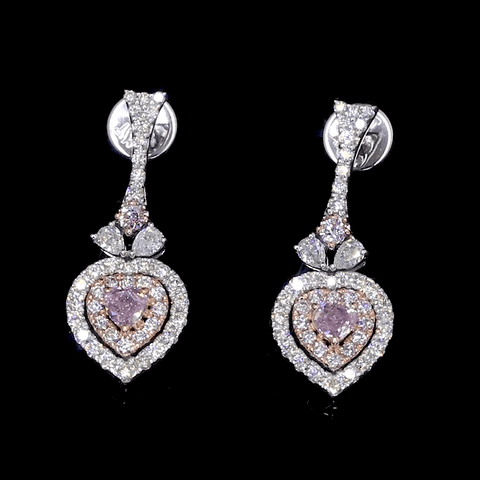
Gemstone Compatibility: Gold, silver, and platinum provide excellent support for gemstones while allowing jewellers to create secure settings.
As jewellery expert Sambhav Karnawat often highlights, the combination of beauty, strength, and rarity makes these precious metals uniquely suited for creating heirloom-quality jewellery.
Which Metal Should You Choose?
Choosing between platinum, gold, and silver depends on your priorities.
Choose Platinum If You Want:
-
Maximum durability
-
High purity
-
Premium luxury
-
Secure diamond settings
Choose Gold If You Want:
-
Traditional elegance
-
Investment value
-
Multiple colour options
Choose Silver If You Want:
-
Affordability
-
Fashion versatility
-
Everyday elegance
Understanding why platinum gold and silver are used to make jewellery can help buyers select the metal that best matches their lifestyle and budget. For men exploring precious metal accessories, a gold and platinum bracelet for men is a versatile and stylish starting point. Those who prefer neckwear can also explore our range of platinum and gold chain for men for understated everyday elegance.
Expert Tips for Buying Precious Metal Jewellery
-
Check Hallmarks: Always verify official hallmarking to confirm purity.
-
Request Certification: Certified jewellery provides assurance regarding metal quality and authenticity.
-
Buy from Trusted Jewellers: Established brands offer transparency, quality control, and after-sales support.
-
Understand Maintenance Requirements: Each metal has different care needs. Knowing these requirements can extend the life of your jewellery.
According to Sambhav Karnawat, informed buyers are more likely to choose jewellery that delivers lasting satisfaction and value over time.
Why Certified Platinum Jewellery Offers Exceptional Value
A major reason why platinum gold and silver are used to make jewellery is their ability to retain beauty and value over decades. Among them, platinum stands out for its purity, durability, and rarity.
Pt950 platinum jewellery contains 95% pure platinum and offers exceptional resistance to wear. Its naturally white appearance means it never requires replating, making it a practical choice for long-term ownership.
Conclusion
Understanding why platinum gold and silver are used to make jewellery reveals the remarkable qualities that have made these metals desirable for centuries. Their durability, beauty, rarity, and versatility allow them to remain the preferred choice for fine jewellery worldwide.
Whether you prefer the timeless elegance of gold, the affordability of silver, or the unmatched purity of platinum, investing in precious metal jewellery means choosing something designed to last for generations.
Discover Authentic Platinum Jewellery at Jewelove
At Jewelove, we specialize in expertly crafted platinum jewellery designed to celebrate life's most meaningful moments. From certified Pt950 platinum rings and wedding bands to bespoke creations, every piece reflects exceptional craftsmanship, purity, and lasting value.
Explore Jewelove's collection today and experience the timeless beauty of genuine platinum jewellery crafted to be treasured for generations.
Frequently Asked Questions
Q1. How do platinum, gold, and silver differ from other jewellery metals?
They offer superior durability, corrosion resistance, natural beauty, and long-term value compared to many common metals.
Q2. How can I identify genuine platinum jewellery?
Look for purity marks such as Pt950 and request certification from a trusted jeweller.
Q3. Can silver jewellery last a lifetime?
Yes. With proper care and maintenance, high-quality sterling silver jewellery can last for many years.
Q4. Can platinum jewellery be worn every day?
Absolutely. Platinum is one of the most durable precious metals and is ideal for daily wear.
Q5. Is platinum better than gold for engagement rings?
Platinum is often preferred for engagement rings because of its strength, purity, and ability to securely hold gemstones.
Q6. Will platinum lose its colour over time?
No. Platinum naturally retains its white appearance and does not require replating.
Q7. What makes gold such a popular jewellery metal?
Gold combines beauty, workability, durability, cultural significance, and investment value.
Q8. Why are platinum, gold, and silver considered precious metals?
They are rare, naturally occurring metals with exceptional durability, beauty, and economic value.