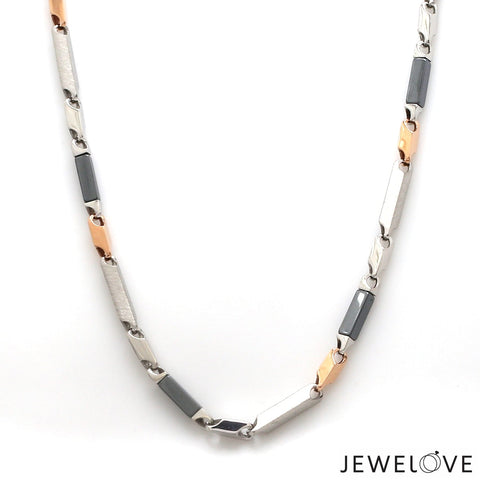
Platinum and white gold are two different precious metals with distinct compositions, purity levels, weight, colour characteristics, and maintenance needs. Platinum is naturally white, and Jewelove crafts its platinum jewellery in Pt950. White gold is a gold alloy that commonly receives rhodium plating for its bright white appearance. The right metal depends on your priorities.
Choosing a precious metal for a ring is about more than colour. Platinum vs white gold comes down to composition, purity, durability, appearance, and long-term care, a question many buyers first ask when researching what is the difference between platinum and white gold? For Indian buyers considering an engagement ring or everyday jewellery, understanding these differences makes the decision clearer. And once you know what matters, the details of your perfect ring become much easier to picture.
Platinum vs White Gold at a Glance
Platinum and white gold can look remarkably similar when polished, but they are fundamentally different metals.
-
Platinum: A naturally white precious metal, commonly used in high-purity jewellery.
-
White gold: Gold combined with other metals to create a white-toned alloy.
-
Purity: Jewelove crafts its platinum jewellery in Pt950, meaning 95% platinum.
-
Colour: Platinum has its naturally white colour, while white gold commonly uses rhodium plating for a bright white finish.
-
Weight: Platinum is denser, so a similarly sized piece generally feels heavier.
-
Maintenance: White gold may need rhodium replating as the surface wears; platinum does not require replating to maintain its natural colour.
-
Hallmarking: Jewelove platinum pieces carry a Pt950 hallmark and a Platinum Guild International Certificate of Authenticity.
What Is Platinum Jewellery?
Platinum is a naturally occurring precious metal identified by the chemical symbol Pt. It is dense, durable, and naturally white, which makes it particularly suited to rings and other jewellery designed for regular wear.
At Jewelove, platinum jewellery is crafted in Pt950, representing 95% platinum. Every platinum piece is hallmarked Pt950 and accompanied by a Certificate of Authenticity issued by the Platinum Guild International.
What Does Pt950 Mean?
Pt950 is a purity designation. The “Pt” identifies platinum, while “950” indicates that the jewellery contains 95% platinum.
This high purity is one of the important distinctions when comparing precious metals. For context, 18K white gold contains 75% gold, while 14K white gold contains 58.5% gold.
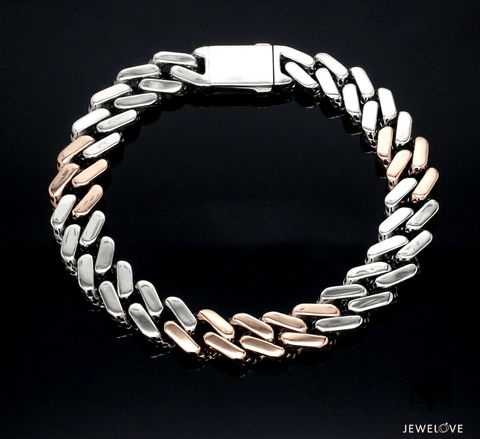
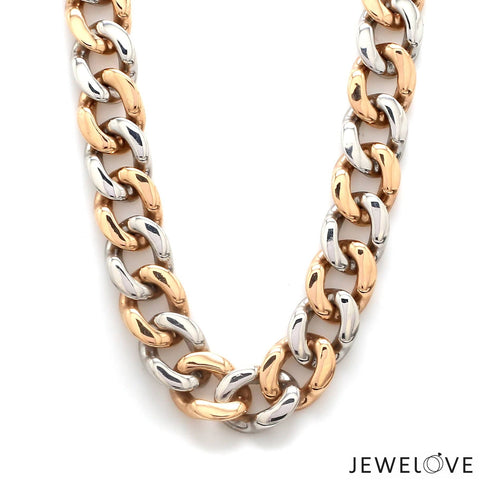
Jewelove's platinum collections include rings, wedding bands, couple rings, chains, bracelets, earrings, pendants and customised jewellery, including refined platinum gold necklace designs, allowing the metal to be used across different styles and occasions.
What Is White Gold Jewellery?
White gold is gold that has been combined with other metals to create a lighter, white-toned alloy. Its purity depends on the karat.
For example:
-
18K white gold: 75% gold
-
14K white gold: 58.5% gold
-
9K white gold: 37.5% gold
White gold is commonly finished with rhodium to create a bright, reflective white surface. With regular wear, this surface finish can gradually wear, revealing the warmer tone of the underlying alloy.
That does not make white gold unsuitable for jewellery. It simply means its appearance and maintenance are different from naturally white platinum, a distinction that also applies across gold and platinum chain designs for mens.
Platinum vs White Gold: Key Differences Explained
Understanding the practical differences helps you choose a metal based on how you intend to wear and care for your jewellery.
Composition and Purity
Platinum is a distinct precious metal, while white gold is an alloy based on gold.
Jewelove uses Pt950 for its platinum jewellery, giving buyers a clearly defined purity standard. White gold, meanwhile, can be available in several karats, so checking the hallmark is important before purchasing.
Colour and Appearance
Platinum has a naturally white appearance. It does not depend on rhodium plating to create its colour.
White gold is naturally more creamy or warm-toned as an alloy and is commonly rhodium-plated to produce a brighter white finish. As that plating wears, the original tone can become more visible.
This distinction matters when choosing a white-toned ring that you plan to wear every day.
Durability and Everyday Wear
Platinum is highly dense and has a substantial feel. When platinum is scratched, the metal is displaced rather than removed in the same way as material loss from other metals. Jewelove's guide notes that platinum is significantly denser than white gold and that scratching does not reduce its net platinum weight in the same way.
White gold also offers durability for jewellery, but its performance depends on the alloy composition, design and construction.
For an engagement ring, the setting, prongs and overall craftsmanship are just as important as the metal itself, whether you're looking at rings or gold and platinum bracelets.
Weight and Feel
Platinum is denser than white gold, so a platinum ring of comparable dimensions generally feels heavier on the finger. Some people enjoy this substantial feel, particularly in wedding rings. Others prefer a lighter ring. Neither preference is inherently right or wrong; the ideal choice depends on how the jewellery feels when worn.
Some people enjoy this substantial feel, particularly in wedding bands. Others prefer a lighter ring. Neither preference is inherently right or wrong; the ideal choice depends on how the jewellery feels when worn.
Maintenance
Maintenance is another important difference.
Platinum does not need rhodium plating to remain naturally white. It can develop a soft patina with wear, which many platinum owners appreciate as part of the metal's character.
White gold commonly relies on rhodium plating for its bright white finish. Over time, that plating can wear and may need to be refreshed.
Regular cleaning and professional inspection remain sensible for both types of jewellery, particularly for rings worn every day.
Skin Sensitivity
Metal sensitivity depends on the composition of the jewellery and the individual wearer.
Some white gold alloys can contain nickel, which may cause a reaction for people who are sensitive to it. Platinum is therefore often considered by buyers looking for a high-purity white precious metal. Jewelove specifically recommends platinum for customers who are allergic to white gold.
If you have known metal sensitivity, always check the alloy composition before purchasing, which is also a common reason buyers ask is white gold and platinum same before choosing between the two.
Platinum vs White Gold Ring: Which Differences Matter Most?
When comparing a white gold vs platinum ring, look beyond the first impression.
Consider these factors:
-
Natural colour: Platinum retains its naturally white appearance.
-
Purity: Jewelove's Pt950 platinum contains 95% platinum.
-
Weight: Platinum feels more substantial because of its greater density.
-
Maintenance: White gold may require rhodium replating.
-
Lifestyle: Daily wear makes durability and maintenance particularly relevant.
-
Skin sensitivity: Alloy composition should be considered carefully.
-
Design: The setting and craftsmanship affect the ring's performance and appearance.
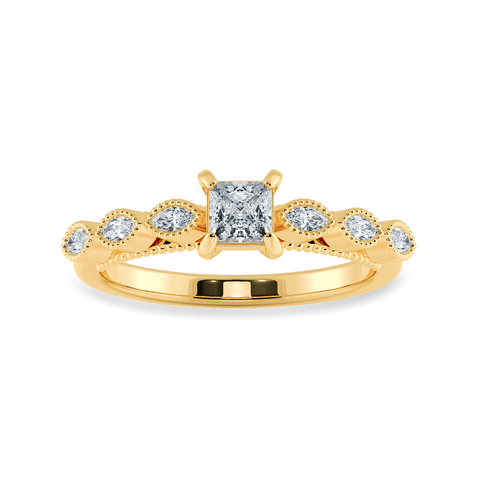
For example, the 15 Pointer Classic 6 Prong Platinum Ring SKU 0012-A offers a traditional solitaire-inspired silhouette, while the 15-Pointer Princess Cut Solitaire Diamond Platinum Engagement Ring JL PT MHD273EG combines platinum with a princess-cut diamond setting.
Platinum vs White Gold for Diamond Rings
The choice becomes particularly meaningful when selecting among diamond ring metals.
A diamond ring needs a metal that complements the stone while supporting the setting. Platinum's natural white colour creates a neutral backdrop around a diamond, while its density gives platinum jewellery a substantial feel.
White gold can also create a bright, contemporary appearance, especially when freshly rhodium-plated.
The right choice should therefore consider:
-
Diamond size and setting style
-
Prong construction
-
Ring profile
-
Expected frequency of wear
-
Maintenance preferences
-
Desired colour
-
Metal purity
-
Overall budget
Jewelove's platinum solitaire collection includes classic six-prong designs, princess-cut engagement rings, curved solitaires, twisted-shank styles and diamond-accented designs, showing how platinum can work across traditional and contemporary ring silhouettes.
Platinum Jewellery vs White Gold Jewellery: Which Is Right for You?
There is no single metal that suits every jewellery buyer.
Choose platinum when your priorities include:
-
High purity
-
Naturally white colour
-
A heavier, substantial feel
-
Minimal dependence on replating
-
Long-term everyday wear
Consider white gold when your priorities include:
-
A white-toned gold alloy
-
Different karat choices
-
A particular design or finish
-
A preferred balance between weight, design and budget
A good jewellery metal guide should help you understand these trade-offs rather than simply tell you which metal to buy.
Sambhav Karnawat, founder of Jewelove, brings a fourth-generation jewellery background to the brand, which is recognised among the top jewellery brands in india. His approach reflects the importance of understanding the metal itself before choosing the finished piece.
How to Identify Platinum vs White Gold
The simplest way to distinguish the metals is to check their hallmark and supporting documentation.
Check the Hallmark
Platinum jewellery can carry a Pt950 hallmark, while gold jewellery may carry markings corresponding to its karat, such as 18K or 14K.
At Jewelove, platinum jewellery is Pt950 hallmarked and comes with a Platinum Guild International Certificate of Authenticity.
Do Not Rely Only on Colour
Platinum and freshly rhodium-plated white gold can look very similar. Colour alone is therefore not a reliable way to identify the metal.
For valuable jewellery, rely on hallmarking, certification and a trusted jeweller rather than visual inspection alone.
Why Choose Platinum for Your Next Jewellery Piece?
Platinum can be a meaningful choice when purity, natural colour and substantial feel are important to you.
Jewelove specialises in platinum jewellery and currently offers platinum solitaire rings, wedding bands, couple rings, customised pieces and other jewellery categories. Every Jewelove platinum piece is Pt950 hallmarked and accompanied by a Platinum Guild International Certificate of Authenticity.
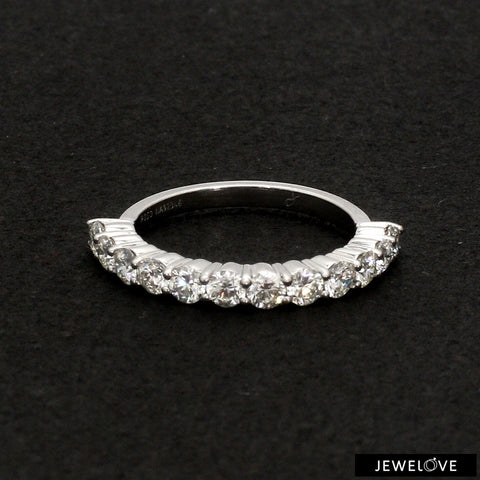
Among the collection, the Infinity Knot Solitaire Platinum Love Bands SJ PTO 115, Classic Platinum Love Bands without Diamonds SJ PTO 104, and 3mm Wide Platinum Wedding Band SJ PTO 223 demonstrate how platinum can be styled for different expressions of commitment.
Find Your Platinum Jewellery at Jewelove
The difference between platinum and white gold becomes much clearer when you look beyond colour. Composition, purity, weight, maintenance and everyday wear all influence how a piece performs and feels over time.
For Indian buyers seeking certified platinum jewellery, Jewelove offers Pt950-hallmarked pieces across solitaire rings, engagement rings, wedding bands, couple rings and customised designs. Jewelove also provides a Platinum Guild International Certificate of Authenticity with its platinum jewellery.
Sambhav Karnawat and the Jewelove team focus on making platinum jewellery a considered purchase rather than simply a beautiful one. Explore the collection to find a piece that matches your occasion, style and long-term priorities.
Explore Jewelove's Platinum Jewellery collection and discover a piece made to become part of your story.
Frequently Asked Questions
Q1. How do platinum and white gold differ?
Platinum is a naturally occurring precious metal, while white gold is a gold-based alloy. They differ in composition, purity, density, colour characteristics, and maintenance requirements.
Q2. Can white gold look like platinum?
Yes. Freshly rhodium-plated white gold can have a bright white appearance that looks very similar to polished platinum. Hallmarks and certification provide a more reliable identification method.
Q3. Is platinum more durable than white gold?
Platinum is dense and durable, and scratching generally displaces rather than removes its metal. White gold durability varies according to its alloy composition and construction.
Q4. What is Pt950 platinum?
Pt950 means the jewellery contains 95% platinum. Jewelove crafts its platinum jewellery in Pt950 and provides a Platinum Guild International Certificate of Authenticity with each piece.
Q5. Will white gold turn yellow?
White gold can show more of its underlying warmer tone as its rhodium plating wears. Replating can restore its bright white surface.
Q6. Is platinum suitable for sensitive skin?
Platinum is often considered by people concerned about metal sensitivity because it is used at high purity. White gold alloy composition varies, so buyers with known sensitivities should check the specific alloy.
Q7. Why is platinum heavier than white gold?
Platinum is denser than white gold, so an equivalent-sized piece generally weighs more and feels more substantial.
Q8. What should I choose for a diamond engagement ring?
Consider the metal's purity, colour, weight, maintenance requirements, setting design, skin sensitivity and budget. Platinum is particularly suited to buyers who value Pt950 purity and a naturally white metal.