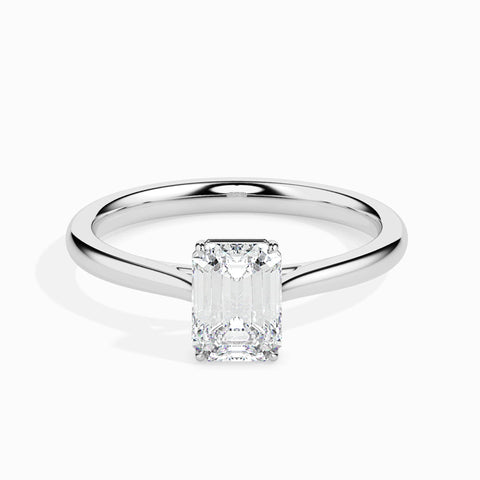
Platinum and gold are both valuable jewellery metals, but they offer different advantages. Platinum is highly pure, naturally white, dense, durable, and suitable for sensitive skin, while gold offers multiple karat options and colours. The better choice depends on your preferred appearance, everyday use, purity, maintenance needs, and budget.
Choosing between platinum jewellery vs gold jewellery comes down to what you want from a piece you may wear for years. Platinum offers high purity, natural whiteness and durability, while gold gives you greater flexibility in karat, colour and design. At Jewelove, explore both possibilities across the wider Platinum Jewellery collection and discover which metal fits your story. But first, let's look at the differences that matter.
Platinum Jewellery vs Gold Jewellery: A Quick Comparison
Both metals have a long-standing place in fine jewellery, but their physical properties and appearance are different.
|
Feature |
Platinum |
Gold |
|
Purity |
Commonly Pt950 |
Available in several karats |
|
Colour |
Naturally white |
Yellow, white and rose |
|
Density |
Dense and substantial |
Lighter depending on alloy |
|
Durability |
Highly durable |
Varies with karat and alloy |
|
Maintenance |
Develops a natural patina |
White gold may need replating |
|
Skin sensitivity |
Generally hypoallergenic |
Depends on alloy |
|
Best suited for |
Rings, bands and everyday pieces |
Versatile jewellery styles |
Understanding these differences makes a platinum jewellery comparison much easier, especially when choosing an engagement ring, wedding band or everyday piece.
What Makes Platinum Jewellery Different?
Platinum is a naturally white precious metal commonly used in jewellery at Pt950 purity, meaning it contains 95% platinum. Jewelove's platinum collection is crafted in certified Pt950 platinum and includes rings, wedding bands, chains, bracelets, platinum earrings and pendants.
Platinum Benefits for Everyday Jewellery
Some of the most important platinum benefits include:
- High purity: Pt950 contains 95% platinum.
- Natural white colour: Platinum does not require rhodium plating to appear naturally white.
- Durability: Its density and strength make it suitable for pieces designed for frequent wear.
- Hypoallergenic properties: Platinum is generally well suited to people who are sensitive to alloy-heavy metals.
- Natural patina: Scratches tend to create a soft patina rather than causing the same type of material loss associated with wearing away another metal.
Platinum also feels substantial on the hand because it is denser than gold. That weight can be particularly appealing in wedding bands and everyday rings.
Why Choose Platinum for Meaningful Jewellery?
Platinum works naturally with jewellery that is meant to be worn continuously, an idea that also extends into meaningful wedding bridal jewellery. Wedding bands, couple rings, engagement rings and diamond jewellery benefit from its combination of purity, strength and neutral colour.
For example, 4mm Wide Flat Platinum Wedding Band SJ PTO 256 offers a clean, classic profile, while Platinum Engagement Rings with Small Single Diamonds SJ PTO 122 brings platinum's understated appearance into an engagement design.
What Makes Gold Jewellery Different?
Gold offers something platinum does not: a broad range of purity and colour choices. Its karat determines the proportion of gold in the alloy.
Understanding Gold Purity
Common gold purities include:
- 24K: Very high-purity gold, generally softer and less commonly used for everyday jewellery.
- 22K: High gold content and widely associated with traditional jewellery.
- 18K: A popular balance of gold content, strength and design versatility.
- 14K: Contains a greater proportion of alloy metals and is often chosen for added everyday durability.
Gold can also be created in different colours. Yellow gold maintains its classic warm appearance, white gold offers a cooler look, and rose gold provides a distinctive pink tone.
This flexibility makes gold suitable for buyers who want to coordinate jewellery with different styles, wardrobes and occasions.
Difference Between Platinum and Gold
The difference between platinum and gold becomes clearer when you compare purity, colour, density and everyday behaviour.
Purity
Platinum jewellery is commonly made using Pt950, while gold is available in several karat levels. This means the purity structure is fundamentally different between the two metals.
Colour
Platinum is naturally white. Gold can offer yellow, white or rose finishes depending on the alloy and treatment used.
Weight
Platinum has a higher density than gold, so a similarly sized platinum piece can feel heavier and more substantial.
Rarity
Platinum is a rare precious metal, which contributes to its distinctive position in fine jewellery. Gold, meanwhile, has a long history of use across cultures and remains one of the most recognised jewellery metals.
Gold vs Platinum Durability: What Should You Know?
Gold vs platinum durability is an important consideration when choosing a ring or another piece that you plan to wear regularly.
Platinum's density and strength make it particularly suitable for everyday jewellery. When platinum is scratched, the metal generally moves rather than simply being removed from the surface. Over time, this contributes to its characteristic patina.
Gold's durability depends significantly on its karat and alloy composition. Higher-purity gold contains more gold and can be softer, while lower-karat gold contains more alloy metals.
For a ring worn every day, consider not just scratch resistance but also the design, thickness, setting and your lifestyle.
Platinum Jewellery vs Gold Jewellery for Sensitive Skin
Skin sensitivity is another practical consideration.
Platinum is generally hypoallergenic because high-purity platinum jewellery contains very little of the additional metals that can sometimes irritate. Jewelove's platinum jewellery is offered in certified Pt950 purity.
Gold jewellery, particularly white gold, contains alloy metals that vary according to composition. If you have sensitive skin, check the metal composition before purchasing.
Platinum Jewellery vs Gold Jewellery: Maintenance and Care
Both metals benefit from sensible jewellery care.
Caring for Platinum
- Clean with mild soap and warm water.
- Avoid harsh chemicals such as chlorine.
- Store pieces separately.
- Use a soft pouch or jewellery box.
- Consider professional polishing when you want to restore a high-gloss finish.
Platinum naturally develops a patina over time. It can be professionally polished if you prefer a brighter surface.
Caring for Gold
Gold jewellery should also be protected from harsh chemicals, stored separately and cleaned regularly. White gold may require rhodium replating as its surface finish wears, depending on the piece and its use.
Platinum vs Gold for Diamond Jewellery
When diamonds are involved, the metal becomes part of the overall visual effect.
Platinum's naturally white appearance creates a neutral setting around diamonds, making it particularly suitable for solitaire rings, wedding bands and contemporary diamond designs, much like the settings seen across Jewelove's platinum jewellery necklace collection.
Jewelove's collection includes 30-Pointer Classic 6 Prong Solitaire Ring made in Platinum SKU 0012 and Elegant Platinum Ring with Diamonds by Jewelove JL PT 508, offering different approaches to diamond-focused platinum jewellery.
Gold creates more visual variety. Yellow gold can provide a warm contrast around diamonds, while white gold produces a cooler appearance.
Platinum Jewellery vs Gold Jewellery for Different Occasions
The right metal also depends on how you plan to wear the piece.
For Engagement Rings
Platinum works well when you want a naturally white metal with a substantial feel. Gold provides more colour choices and allows you to choose between yellow, white and rose tones.
For Wedding Bands
Platinum is well suited to bands designed for frequent wear. Jewelove offers options such as 5mm Comfort Fit Platinum Wedding Band SJ PTO 257 and Name Engraved Platinum Bands SJ PTO 228.
For Couple Rings
For couples looking for matching or complementary designs, platinum provides a clean and consistent appearance, and men can find a coordinating piece in Jewelove's gold and platinum bracelet for men collection. Elegant Platinum Couple Rings JL PT 453 and Platinum Couple Rings with Complementary Hearts SJ PTO 243 are examples from Jewelove's current collection.
For Everyday Jewellery
Platinum chains, rings and bracelets can work well for everyday styling, including options from Jewelove's gold and platinum bracelets range. Jewelove's current collection includes Plain Platinum Box Chain SJ PTO 702, Thin Platinum Chain with Rectangular Links JL PT CH 905, and Unique Japanese Platinum Bracelet JL PTB 739.
Which Is the Best Metal for Jewellery?
There is no single best metal for jewellery for every buyer. Your decision should reflect how and where you intend to wear the piece.
Platinum may suit you if you value:
- High purity
- Naturally white colour
- Substantial weight
- Everyday durability
- Minimal replating requirements
- Jewellery for important milestones
- A metal generally suited to sensitive skin
Gold may suit you if you value:
- Multiple colour choices
- Different karat options
- Traditional jewellery aesthetics
- Broad design flexibility
- A lighter feel in certain designs
The most useful approach is to compare the metal with your lifestyle rather than choosing solely by price or appearance.
Why Jewelove for Platinum Jewellery?
Jewelove specialises in platinum jewellery and offers certified Pt950 pieces across rings, wedding bands, chains, bracelets, earrings, pendants and custom jewellery designs. The brand is an authorised retailer of Platinum Guild International and provides certification with its platinum jewellery.
Founded by Sambhav Karnawat, a fourth-generation jeweller and IIT Kanpur alumnus, Jewelove brings traditional jewellery knowledge together with a specialised focus on platinum.
The collection ranges from understated everyday designs to diamond-studded pieces and meaningful couple jewellery, including striking options like a diamond rose gold bracelet for men. Options such as Designer Platinum Couple Rings with Diamonds JL PT 452, Designer Platinum Love Bands with Diamonds SJ PTO 152, and Platinum Evara Indo-Western Diamond Bracelet for Women JL PTB 638 demonstrate the breadth of the collection.
With expertise built around platinum craftsmanship, Sambhav Karnawat and the Jewelove team focus on purity, design precision, and jewellery that can become part of significant personal milestones, a focus that has helped shape the landscape of jewellery brands in india.
Explore Jewelove's Platinum Jewellery Collection
The choice between platinum and gold ultimately depends on your priorities, from purity and durability to colour, weight and design. If platinum aligns with what you want from a meaningful piece, explore Jewelove's collection of certified Pt950 jewellery. From wedding bands and couple rings to diamond rings, chains and bracelets, each design brings together fine craftsmanship and the enduring character of platinum.
Discover a piece that feels personal, purposeful and made to stay with you through life's most meaningful moments.
Frequently Asked Questions
Q1. How do platinum and gold differ in purity?
Platinum jewellery is commonly made in Pt950 purity, while gold is available in several karat levels such as 14K, 18K, 22K and 24K.
Q2. Can platinum jewellery be worn every day?
Yes. Platinum's density, durability and natural white colour make it well suited to everyday rings, bands, chains and other jewellery.
Q3. Is platinum more durable than gold?
Platinum is highly durable, while gold durability varies according to its karat and alloy composition. Design and thickness also affect everyday performance.
Q4. What is the difference between platinum and white gold?
Platinum is naturally white and commonly used at Pt950 purity. White gold is a gold alloy whose white appearance can involve rhodium plating.
Q5. Why does platinum develop a patina?
Everyday contact creates fine surface marks that gradually produce platinum's characteristic soft patina. Professional polishing can restore a high-gloss finish.
Q6. Will platinum jewellery lose its colour?
No. Platinum is naturally white and does not require rhodium plating to maintain its colour, although its surface can develop a patina with wear.
Q7. Is platinum good for sensitive skin?
Platinum is generally suitable for sensitive skin because high-purity platinum contains very little of the alloy metals that can cause irritation.
Q8. Why choose platinum over gold for a wedding ring?
Platinum offers high purity, a naturally white appearance, substantial weight and strong everyday wear characteristics, making it a practical choice for a ring worn continuously.