When buying platinum jewelry, understanding how is platinum purity measured is essential for ensuring authenticity, value, and longevity. Platinum is not only a rare and luxurious metal, but its purity also defines its durability, weight, and long-term investment potential. Whether it is an engagement ring, a wedding band, or a bespoke pendant, the purity of platinum guarantees that your piece will remain beautiful and lasting for generations.
Platinum is often chosen for its timeless appeal, hypoallergenic properties, and resistance to tarnishing. Knowing how is platinum purity measured allows buyers to distinguish genuine platinum from imitations or low-quality alloys. At Jewelove, India’s leading certified platinum jeweler recognized by the Platinum Guild International (PGI), every piece undergoes meticulous testing to ensure it meets the highest purity standards. This guide will help you understand how is platinum purity measured, the hallmarks to look for, professional testing methods, and ways to verify purity at home.
What Does Platinum Purity Mean?
Understanding how is platinum purity measured begins with knowing what platinum purity actually represents. Platinum purity is the percentage of pure platinum present in a piece of jewelry. Since pure platinum is extremely soft, it is often combined with small amounts of other metals to enhance strength without affecting its precious appearance.
Platinum purity is expressed using millesimal fineness, a system that denotes parts per 1,000 of pure platinum in an alloy. For example:
- Pt 999 means 999 parts per 1,000 are pure platinum, which is equivalent to 99.9 percent purity
- Pt 950 means 950 parts per 1,000 are pure platinum, which is 95 percent purity
- Pt 900 means 900 parts per 1,000 are pure platinum, which is 90 percent purity
- Pt 850 means 850 parts per 1,000 are pure platinum, which is 85 percent purity
For buyers, knowing how is platinum purity measured is critical because it affects the jewelry’s weight, durability, value, and hypoallergenic quality. A piece marked Pt950 will have the premium quality and strength expected from high-end platinum jewelry. Understanding these measurements also protects against fraud and ensures that your investment in platinum is genuine.
Platinum Purity Measurement Standards
Platinum purity is measured according to internationally recognized standards. These standards allow jewelers and buyers to identify authentic platinum and ensure it meets quality expectations.
Millesimal Fineness Standards
- Pt 999 represents 99.9 percent pure platinum, primarily used in investment bullion and high-value collectibles
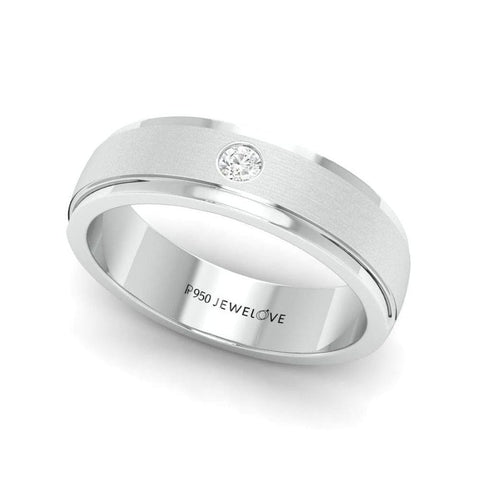
- Pt 950 represents 95 percent pure platinum, commonly used for premium jewelry and considered Jewelove’s standard
- Pt 900 represents 90 percent pure platinum, often used in fine jewelry
- Pt 850 represents 85 percent pure platinum, suitable for durable and everyday wear
International Purity Hallmarks
- Pt or Plat indicates that the metal is platinum
- Pt 950 indicates 95 percent platinum
- Pt 900 indicates 90 percent platinum
- Hallmarking is mandatory in India for all platinum items above 0.5 grams to ensure authenticity and protect buyers
By understanding how is platinum purity measured through these standards, you can confidently identify genuine platinum jewelry and avoid low-quality or counterfeit pieces.
How is Platinum Purity Measured Professionally
Professional measurement of platinum purity uses advanced techniques to ensure accuracy. Jewelers and certified laboratories rely on these methods to determine exactly how is platinum purity measured.
- X-ray Fluorescence (XRF) allows for non-destructive testing by analyzing the elemental composition of platinum without damaging the jewelry
- Fire Assay is a highly precise method involving high-temperature testing, commonly used for investment-grade platinum
- Density Test measures the metal’s weight and volume to confirm its platinum content
- Spectrometry Analysis is an advanced laboratory technique that ensures platinum purity meets international standards
These professional tests are crucial for confirming how is platinum purity measured, especially for high-value or investment-grade platinum jewelry. At Jewelove, every piece undergoes PGI-approved non-destructive testing to ensure that customers receive 100 percent certified platinum.
Simple Ways to Check Platinum Purity at Home
While professional tests provide the most accurate results, there are simple ways to get a preliminary idea of how is platinum purity measured at home.
- Look for Hallmarks by checking inner bands, clasps, or pendants for Pt950, Pt900, or PGI logos
- Perform a Magnet Test since platinum is non-magnetic, any attraction to a magnet may indicate alloy metals or impurities
- Assess Weight and Feel as platinum is heavier and cooler than silver or white gold, giving a distinct sense of premium quality
- Hydrogen Peroxide Test can reveal platinum’s catalytic property when applied safely, causing bubbles to form on pure platinum
It is important to remember that these methods are only indicative. For complete assurance on how is platinum purity measured, always consult a certified jeweler.
Platinum Purity Compared to Other Metals
Platinum stands out among precious metals for its superior quality and longevity. Knowing how is platinum purity measured helps highlight why platinum is often preferred over alternatives like gold or silver.
- Platinum offers excellent durability and never tarnishes, making it ideal for heirloom jewelry
- White Gold has good durability but may yellow over time and requires periodic maintenance
- Silver is softer, tarnishes easily, and requires frequent cleaning to maintain shine
Platinum is hypoallergenic, extremely rare, and retains its value over time, making it a better investment for fine jewelry. By understanding how is platinum purity measured, buyers can make informed decisions and select jewelry that lasts a lifetime.
How Jewelove Guarantees 100% Certified Platinum
At Jewelove, every platinum piece is crafted to the highest standards and tested to ensure purity.
- All platinum jewelry is Pt950 hallmarked for guaranteed authenticity
- Each piece comes with a Platinum Guild International certificate confirming 100 percent purity
- Customization options, engraving, and bespoke craftsmanship allow for personalized, high-end designs
- Thousands of verified five-star reviews demonstrate Jewelove’s reputation for trust and quality
Understanding how is platinum purity measured reassures customers that every purchase is genuine, durable, and of lasting value. Jewelove ensures that every platinum piece represents purity, craftsmanship, and prestige.
Final Thoughts
Knowing how is platinum purity measured is vital for anyone purchasing fine platinum jewelry. From hallmarks to professional testing and home verification, each step ensures that platinum’s inherent value and beauty are preserved.
Platinum’s rarity, hypoallergenic nature, and timeless appeal make it a superior choice for lasting jewelry. With Pt950 hallmarking and PGI certification, investing in platinum through Jewelove guarantees authenticity, purity, and peace of mind for generations. By understanding how is platinum purity measured, buyers can confidently own jewelry that symbolizes love, commitment, and timeless elegance.
Read Our Latest Blogs
Which Certification Should I Look for When Buying Platinum? | Where Can I Buy Certified Platinum Jewellery in India? | What Are the Current Platinum Prices in India? | Is Platinum Jewellery a Good Long-Term Investment? | Can I Sell or Exchange Old Platinum Jewellery? | What Documents Should I Get When Buying Platinum Jewellery?
Frequently Asked Questions
Q1. What is the highest purity of platinum?
The highest purity is Pt999, representing 99.9 percent pure platinum. It is mainly used for bullion and investment purposes due to its softness and limited use in daily jewelry.
Q2. What does Pt950 mean?
Pt950 indicates that 95 percent of the metal is pure platinum, and 5 percent consists of alloy metals for added strength and durability. This is the standard for premium jewelry.
Q3. How is platinum purity measured?
Platinum purity is measured through hallmarks, X-ray Fluorescence (XRF), fire assay, density tests, and spectrometry analysis, ensuring precise assessment of the platinum content.
Q4. Can I check platinum purity at home?
Yes, preliminary checks include looking for hallmarks, performing a magnet test, feeling the weight, and using a hydrogen peroxide test. Professional verification is recommended for certainty.
Q5. Why is hallmarked platinum better?
Hallmarked platinum guarantees authenticity, purity, and quality. It protects buyers from counterfeit products and ensures the jewelry meets recognized standards.
Q6. What is millesimal fineness?
Millesimal fineness is a system expressing platinum purity in parts per 1,000. For instance, Pt950 means 950 parts of pure platinum per 1,000 parts of the alloy.
Q7. Is Pt900 real platinum?
Yes, Pt900 is genuine platinum containing 90 percent pure platinum and 10 percent alloy metals, suitable for fine jewelry.
Q8.How does Jewelove certify platinum purity?
Every platinum jewelry piece from Jewelove carries a Pt950 hallmark and a Platinum Guild International certificate, guaranteeing authenticity, purity, and adherence to international quality standards.