The history of platinum jewellery in India reflects the journey of a rare precious metal into modern Indian jewellery culture. Platinum evolved from a globally valued material into a sought-after choice for rings, wedding bands, and fine jewellery because of its purity, naturally white appearance, durability, and association with lasting relationships.
The history of platinum jewellery in India is a story of changing tastes, craftsmanship and enduring symbolism. While gold has deep roots in Indian jewellery traditions, platinum introduced a naturally white, high-purity alternative for modern jewellery lovers. Today, Jewelove brings this heritage into contemporary platinum jewellery, making the journey of platinum worth exploring.
The Platinum Jewellery Origin: Where Did It Begin?
To understand the history of platinum jewellery in India, it helps to look beyond India first. Platinum has a much older story than its modern popularity suggests. Ancient South American cultures worked naturally occurring platinum-rich materials, while European awareness of the metal developed much later. Its extremely high melting point initially made platinum difficult to work with.
Modern jewellery craftsmanship changed that.
As technology improved, jewellers developed better methods for melting, shaping and finishing platinum. Its natural white colour, strength, rarity and resistance to tarnishing made it increasingly attractive for fine jewellery. Platinum eventually became closely associated with sophisticated diamond settings and jewellery designed for important occasions.
The name itself reflects its early European perception. “Platina”, derived from Spanish and meaning “little silver”, was used because the metal resembled silver but behaved very differently.
Platinum History: From Rare Metal to Fine Jewellery
The early platinum history of jewellery is closely connected to advances in craftsmanship. Once jewellers could work with the metal more effectively, platinum became a valuable material for intricate settings and refined designs.
Its characteristics made it especially useful for jewellery where security and precision mattered. Platinum could provide a strong setting for gemstones while maintaining a naturally white appearance that complemented diamonds.
Over time, platinum became associated with:
-
Fine diamond jewellery
-
Engagement rings
-
Wedding bands
-
Luxury jewellery
-
High-quality craftsmanship
-
Meaningful life occasions
Its appeal was not based only on rarity. Platinum offered a distinctive combination of purity, weight, durability and colour that gave jewellery a different character from traditional yellow gold.
How Did Platinum Jewellery Arrive in India?
The history of platinum jewellery in India developed within a jewellery culture already deeply connected to gold, diamonds and craftsmanship. Indian consumers have traditionally valued jewellery not only as adornment but also as part of weddings, celebrations, family traditions and important milestones.
Platinum entered this landscape as a contemporary precious-metal choice.
The growth of organised platinum jewellery marketing in India accelerated with the establishment of Platinum Guild International's Indian operations in 2000. PGI has since worked with manufacturers and retailers to develop awareness, designs and consumer occasions for platinum jewellery in India.
This helped move platinum from being an unfamiliar precious metal to a recognised category within the Indian jewellery market.
The shift was also supported by changing design preferences. Contemporary couples began looking for jewellery that felt personal, understated and distinct from traditional wedding gold. Platinum fitted naturally into that space.
Platinum Popularity India: Why Did It Grow?
The rise of platinum popularity India can be understood through several practical and emotional qualities.
Naturally White Appearance
Platinum has a naturally white colour. Unlike white gold, its colour does not depend on a rhodium coating to create its white appearance. This makes platinum particularly suitable for diamond jewellery and minimalist designs.
High Purity
Fine platinum jewellery commonly uses high-purity alloys such as Pt950, a topic explored further in what is pt950 platinum and why is it used in jewellery. The "950" indicates that the jewellery contains 95% platinum.
Durability
Platinum is dense and durable, making it suitable for jewellery intended for regular wear. Its strength also makes it useful for securing diamonds and other gemstones.
A Distinctive Feel
Platinum is denser than gold, giving a piece a substantial feel on the hand or finger. For many jewellery buyers, this physical presence becomes part of its appeal.
Meaningful Symbolism
Platinum naturally fits jewellery associated with commitment. Wedding bands, couple rings and anniversary pieces can use the metal to represent durability and permanence.
These qualities helped platinum find a distinct place alongside India's established gold and diamond jewellery traditions.
Platinum Jewellery Culture in India
The development of platinum jewellery culture in India has been particularly visible around relationships and celebrations.
Gold remains deeply important to Indian jewellery traditions. Platinum does not need to replace that heritage to have its own identity. Instead, it has developed as a contemporary expression of commitment, individuality and modern design.
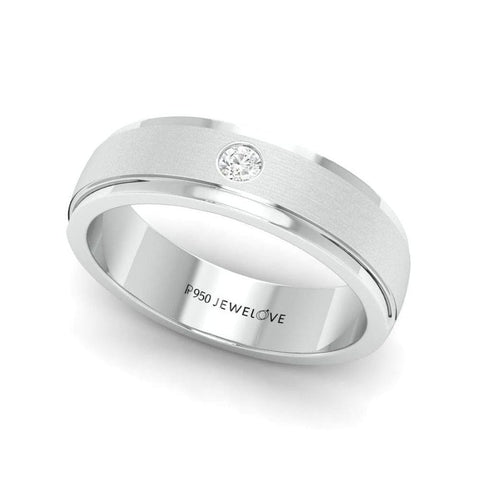
Platinum wedding bands are especially relevant to couples who prefer a clean and understated aesthetic. Engagement rings can also benefit from platinum's naturally white surface because it creates a seamless backdrop for diamonds.
Modern platinum jewellery in India now extends beyond couples.
It includes:
-
Platinum rings for men and women
-
Platinum love bands
-
Solitaire rings
-
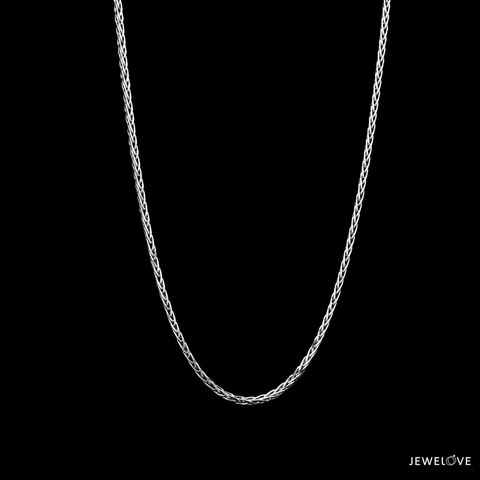
Platinum chains
-
Bracelets
-
Earrings
-
Pendants
-
Necklaces
-
Mangalsutras
-
Platinum bangles and kada
This wider range demonstrates how platinum has moved beyond a single wedding-jewellery category, extending into refined mens jewellery as well.
Platinum and the Modern Indian Wedding
The history of platinum jewellery in India cannot be separated from the evolution of Indian wedding jewellery.
Traditional weddings continue to celebrate gold, diamonds and culturally significant designs. At the same time, modern couples often add engagement rings, wedding bands and personalised jewellery to their celebrations.
Platinum works particularly well for these contemporary pieces because its visual character is refined without competing with other jewellery.
A simple platinum band can represent a relationship without elaborate ornamentation. A diamond-set platinum ring can create a more luxurious expression. Personalised engraving can make the piece even more meaningful.
This combination of tradition and individuality has helped platinum develop its own place in India's wedding jewellery landscape, particularly through platinum couple rings designed to reflect a shared commitment.
Platinum Heritage Meets Contemporary Design
The idea of platinum heritage is not limited to the metal's past. Heritage also lives through craftsmanship and the way jewellery is passed from one generation to another.
At Jewelove, platinum is central to the brand's jewellery identity. Jewelove is a Platinum Guild International authorised retailer and specialises in platinum jewellery. Its pieces are offered in Pt950 hallmarked platinum and are accompanied by a PGI Certificate of Authenticity.
The brand's founder, Sambhav Karnawat, is a fourth-generation jeweller and IIT Kanpur alumnus. His background connects traditional jewellery expertise with a modern, specialised approach to platinum.
That philosophy can be seen across Jewelove's collections, from classic wedding bands to contemporary couple rings and personalised designs.
The History of Platinum Jewellery in India at a Glance
The history of platinum jewellery in India can be understood through a simple progression:
-
Early recognition: Platinum was valued for its rarity and distinctive properties.
-
Craftsmanship evolves: Better technology made the metal easier to use in fine jewellery.
-
Global luxury develops: Platinum became associated with sophisticated jewellery and diamond settings.
-
India embraces platinum: The metal entered a jewellery market deeply rooted in gold and diamond traditions.
-
Wedding jewellery grows: Platinum became increasingly visible in engagement rings and wedding bands.
-
Design expands: Jewellery moved beyond rings into chains, bracelets, earrings and other forms.
-
Personalisation emerges: Custom engraving and distinctive designs gave platinum a more individual identity.
-
Modern heritage: Platinum now combines contemporary aesthetics with the idea of jewellery made to endure.
Why Platinum Still Matters to Indian Jewellery Buyers
The history of platinum jewellery in India continues to influence how buyers view the metal today. Its appeal comes from a combination of tangible qualities and emotional meaning.
When choosing platinum jewellery, look for:
-
Pt950 purity for high platinum content
-
Authenticity certification from a recognised authority
-
Clear hallmarking
-
Quality craftsmanship
-
A design suited to everyday or occasion wear
-
Reliable after-sales support
-
A jeweller with genuine platinum expertise
Jewelove's platinum jewellery is certified Pt950 hallmarked and accompanied by a Platinum Guild International Certificate of Authenticity, and buyers who want to go further can learn how to identify real platinum jewellery before purchasing. This gives buyers a clear way to understand the metal's purity and authenticity.
For buyers exploring platinum beyond traditional bands, Jewelove's collection includes designs such as the Platinum Diamond Halo Solitaire Engagement Ring JL PT R-55, Platinum Couple Rings - Bonded Forever JL PT 455, and Customized Platinum Ring.
The brand also offers distinctive pieces such as the Japanese Platinum Light Weight Bracelet Diamond Cut Balls Bracelet for Women JL PTB 1071, showing how platinum can move naturally from wedding jewellery into everyday fine jewellery.
The Future of Platinum Jewellery in India
The history of platinum jewellery in India is still evolving. Contemporary jewellery is becoming more personal, versatile and design-led, and platinum fits naturally into that movement.
Today's buyers can choose between understated bands, diamond-set rings, personalised pieces, men's jewellery and statement designs. Platinum's high purity and naturally white appearance continue to give designers a distinctive material to work with.
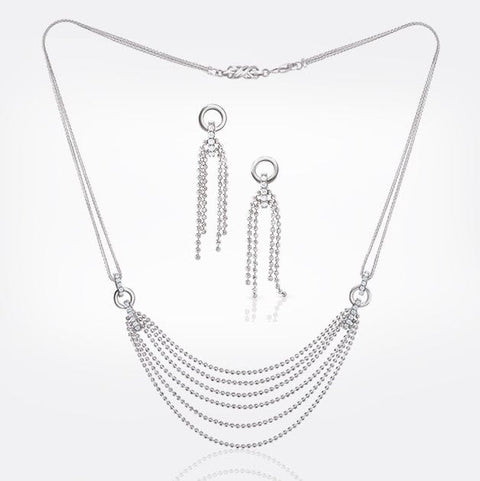
Jewelove also reflects this broader direction through collections covering platinum rings, love bands, solitaire rings, fingerprint rings, bracelets, chains, earrings, a distinctive platinum jewellery necklace, mangalsutras and bangles.
As Indian jewellery preferences continue to evolve, platinum's identity is moving from simply being a rare precious metal to being a meaningful part of contemporary jewellery culture, which is also why more buyers are asking is platinum jewellery worth buying in india for themselves.
Discover Platinum Heritage with Jewelove
The story of platinum is ultimately a story about how craftsmanship can give a rare material lasting meaning. From its early history to its place in modern Indian weddings, platinum has developed a distinct identity within fine jewellery.
Sambhav Karnawat brings four generations of jewellery experience to Jewelove, with a specialised focus on platinum and a modern approach to buying fine jewellery online.
If you want to carry this heritage into a piece of your own, explore Jewelove's collection of certified Pt950 platinum jewellery. Discover classic love bands, engagement rings, personalised pieces and contemporary designs created for meaningful occasions and everyday moments.
Explore Jewelove's platinum jewellery collection and find a piece designed to become part of your own story.
Frequently Asked Questions
Q1. How did platinum jewellery become popular in India?
Platinum became more visible in India's jewellery market through organised industry development, modern designs and growing consumer interest in contemporary wedding and relationship jewellery.
Q2. Can platinum jewellery be worn every day?
Yes. Platinum's durability and high purity make it suitable for everyday jewellery, including rings, bands, chains and bracelets, provided the piece receives appropriate care.
Q3. Is platinum part of Indian jewellery culture?
Yes. Platinum has developed a distinct place in modern Indian jewellery culture, particularly in engagement rings, wedding bands, couple jewellery and contemporary designs.
Q4. What is the platinum jewellery origin?
Platinum jewellery has ancient roots outside India, while modern platinum jewellery developed significantly as advances in technology made the metal easier to work with for fine jewellery.
Q5. What does Pt950 mean in platinum jewellery?
Pt950 means the jewellery contains 95% platinum. It is a widely used purity standard for fine platinum jewellery.
Q6. Why is platinum popular for wedding jewellery?
Platinum combines high purity, durability and a naturally white appearance with strong associations of permanence, making it well suited to wedding bands and engagement jewellery.
Q7. Will platinum jewellery change colour over time?
Platinum does not tarnish like metals that oxidise. With wear, it can develop a natural satin-like patina, which many platinum owners appreciate as part of its character.
Q8. What should I check before buying platinum jewellery in India?
Check the Pt950 hallmark, certification, purity details, craftsmanship, design specifications and the jeweller's credentials. Certified platinum jewellery provides greater confidence in authenticity and purity.