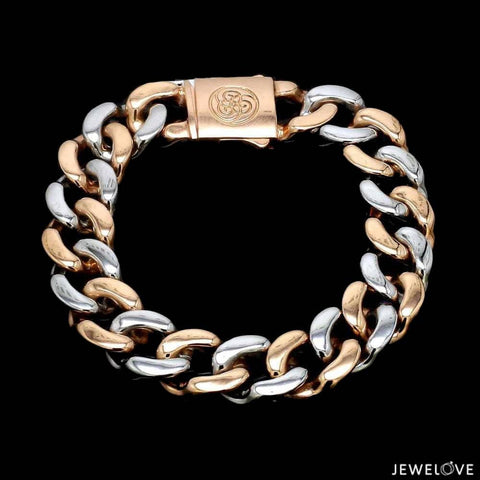
Avoid using harsh chemicals, abrasive cleaners, aggressive scrubbing, improper storage, and wearing jewellery during heavy activities. Gentle cleaning, separate storage, regular checks of gemstone settings, and appropriate professional maintenance help preserve platinum jewellery and keep it looking beautiful for years.
Knowing the platinum jewellery care mistakes to avoid helps protect your jewellery from unnecessary wear, residue, and setting damage. At Jewelove, we believe beautiful platinum deserves thoughtful care, whether it is an engagement ring, wedding band or everyday piece. A few simple habits can make a lasting difference. Here is what you should know before your next clean.
Why Platinum Jewellery Still Needs Regular Maintenance
Platinum is valued for its durability, purity and naturally white appearance, but durability does not mean maintenance-free. Everyday exposure to dust, oils, lotions, household products and friction can affect the surface and make jewellery look less polished. This is especially true for pieces like a platinum jewellery necklace, which sits close to the skin and faces daily exposure to sweat, lotion and friction.
Platinum can also develop a natural patina over time. This soft, satiny appearance is a normal characteristic of the metal rather than an indication that your jewellery is damaged. If you prefer a brighter finish, professional polishing can restore a high-gloss appearance.
For Indian households, where jewellery may be worn through workdays, celebrations and frequent travel, consistent platinum maintenance is a simple way to preserve both appearance and condition. For a broader overview of purity standards and upkeep, this complete guide to platinum jewellery: purity, benefits and care tips is a useful starting point.
9 Platinum Jewellery Care Mistakes to Avoid
Understanding the most common platinum jewellery care mistakes to avoid can make everyday jewellery protection much easier.
1. Using Harsh Chemicals on Platinum Jewellery
Bleach, chlorine and strong household cleaning products have no place in your jewellery-care routine. Even when platinum itself is highly durable, chemicals can affect other components of a jewellery piece, particularly gemstones, settings and finishes.
Remove platinum jewellery before cleaning bathrooms, handling strong detergents or using chemical-based household products.
2. Using Toothpaste or Abrasive Cleaners
Toothpaste may seem like a convenient household cleaning solution, but it is not designed for fine jewellery. Abrasive particles can create unwanted surface wear, while rough cleaning products can affect delicate details.
For cleaning platinum jewellery, use lukewarm water, mild soap and a soft brush instead. Jewelove's platinum cleaning guidance recommends gentle cleaning rather than abrasive household alternatives.
3. Scrubbing Too Aggressively
More pressure does not mean better cleaning. Aggressive brushing can place unnecessary stress on delicate settings, particularly around diamonds and other gemstones.
Use gentle movements and pay attention to areas where oils, soap and dust naturally collect. A soft-bristled brush is enough for most routine cleaning.
4. Wearing Jewellery During Heavy Activities
One of the simplest pieces of jewellery protection is knowing when to remove your jewellery.
Take off platinum rings, bracelets and chains before activities involving significant impact or friction, such as:
-
Weight training
-
Gardening
-
Heavy household work
-
Manual work
-
Contact sports
-
Activities where jewellery may catch on equipment
This is particularly important for rings with gemstones, where the setting deserves as much attention as the platinum itself.
5. Storing Platinum Jewellery Incorrectly
Leaving multiple jewellery pieces loose in one box is an easy way to create unnecessary friction and tangling. Different jewellery pieces can rub against each other, while chains can become knotted.
Store platinum pieces individually in soft pouches or separate compartments. Keep each piece dry before putting it away and avoid placing heavy jewellery directly over delicate pieces.
Good storage is one of the simplest jewellery maintenance mistakes to correct.
6. Ignoring Loose Stones or Damaged Settings
A loose gemstone should never be treated as a minor issue. If a diamond or other gemstone moves when touched, a prong looks worn or a ring has experienced a strong impact, stop wearing the piece until it has been inspected.
Routine cleaning cannot correct a structural problem. Professional inspection is the right approach when a setting appears compromised.
7. Over-Polishing Platinum Jewellery
Platinum naturally develops a patina with wear. Not every change in surface appearance requires immediate polishing.
Frequent aggressive polishing is unnecessary for routine platinum maintenance. If you enjoy a bright, mirror-like finish, professional polishing can be considered when appropriate. If you prefer platinum's natural character, the patina can simply be part of the jewellery's story.
8. Forgetting to Clean Around Gemstone Settings
Dirt often settles underneath stones, around prongs and in small spaces that are difficult to see while wearing a ring.
This is especially relevant for solitaire rings. For example, the 30-Pointer Classic 6 Prong Solitaire Ring made in Platinum SKU 0012 has a six-prong setting, making gentle cleaning and periodic setting checks sensible habits.
When cleaning, use a soft brush rather than a pointed object to remove buildup.
9. Treating Every Gemstone the Same Way
Platinum may be durable, but gemstones have different care requirements. Diamonds, pearls, emeralds, opals and other stones can respond differently to cleaning methods, heat, chemicals and impact.
Never assume that a cleaning method suitable for a plain platinum band is automatically suitable for every gemstone setting. When in doubt, check the specific care requirements of the stone and setting.
How to Clean Platinum Jewellery Safely at Home
Following the right process makes cleaning platinum jewellery straightforward, and this guide on how to take care of platinum jewellery and make it last longer covers the basics in more depth.
What You Need
-
A small bowl
-
Lukewarm water
-
Mild liquid soap
-
A soft-bristled toothbrush
-
A clean, lint-free or microfiber cloth
Step-by-Step Cleaning
-
Add a small amount of mild soap to lukewarm water.
-
Place the jewellery in the solution and allow surface residue to loosen.
-
Gently brush the jewellery, paying attention to the underside and around settings.
-
Rinse carefully with clean water.
-
Pat dry with a soft, lint-free cloth.
-
Allow the piece to dry completely before storing it.
Avoid toothpaste, bleach, chlorine and abrasive scrubbers. Jewelove's published platinum cleaning guide follows this gentle approach to routine home care.
Ring Care Tips for Platinum Rings
Rings experience more everyday contact than many other jewellery pieces, so practical ring care tips can help prevent avoidable problems.
Remember to:
-
Remove rings before heavy physical work.
-
Keep lotions and household chemicals away where possible.
-
Clean underneath the gemstone gently.
-
Check prongs periodically.
-
Store rings separately.
-
Have loose stones or damaged settings professionally inspected.
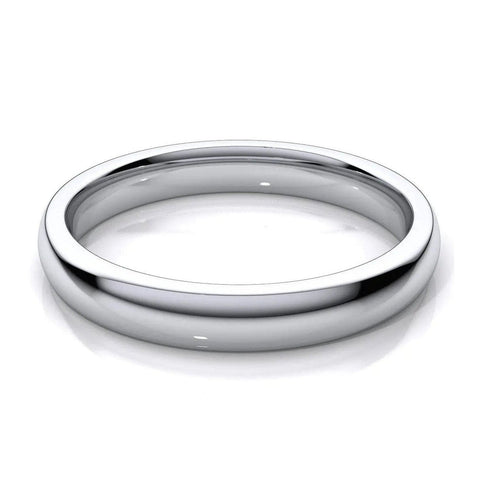
For a classic everyday design, the Classic Platinum Love Bands without Diamonds SJ PTO 104 is a simple example of platinum jewellery that benefits from the same basic care routine.
How to Protect Platinum Jewellery During Everyday Wear
Good jewellery protection is mostly about recognising situations where jewellery should be removed.
While Working Out
Sweat and friction are not ideal reasons to keep valuable jewellery on during exercise. Remove rings, chains and bracelets before workouts involving weights or equipment.
While Swimming
Remove platinum jewellery before swimming, particularly in chlorinated pools. This also protects gemstones and other jewellery components from unnecessary chemical exposure.
While Cleaning at Home
Household cleaning products can be much harsher than everyday soap. Put your jewellery somewhere safe before using strong cleaners.
While Travelling
Use individual jewellery pouches, keep pieces separated and avoid placing jewellery loosely inside luggage. For valuable pieces, retain purchase documentation and certificates safely.
How Often Should Platinum Jewellery Be Cleaned?
There is no single cleaning schedule that suits every piece. Jewellery worn every day may need more frequent gentle cleaning than an occasional-wear piece.
A practical routine is:
Weekly: Check for visible residue, loose stones or changes in the setting.
As needed: Clean gently when oils, lotion or dirt become noticeable.
Periodically: Consider professional inspection and polishing based on wear and the condition of the piece.
Regular attention is more useful than aggressive cleaning sessions performed occasionally.
When Should You Get Platinum Jewellery Professionally Checked?
Professional attention is appropriate when:
-
A gemstone feels loose.
-
A prong looks bent or worn.
-
A ring has suffered a significant impact.
-
A clasp no longer closes properly.
-
The jewellery has intricate gemstone settings.
-
You notice a structural change.
For valuable jewellery, professional inspection is part of sensible platinum maintenance, particularly for pieces worn every day.
Jewelove specialises in platinum jewellery, with its pieces carrying Pt950 hallmarks and Platinum Guild International certificates of authenticity.
Platinum Jewellery Maintenance Checklist
Keep this quick checklist handy:
Do
-
Clean gently with mild soap and lukewarm water.
-
Use a soft brush.
-
Dry jewellery thoroughly.
-
Store pieces separately.
-
Remove jewellery before heavy activities.
-
Check gemstone settings regularly.
-
Seek professional help when a setting is damaged.
Don't
-
Use toothpaste.
-
Use bleach or chlorine.
-
Scrub aggressively.
-
Store jewellery tangled together.
-
Ignore loose gemstones.
-
Treat every gemstone as if it has identical care requirements.
Following these simple habits can prevent many of the platinum jewellery care mistakes to avoid in everyday life.
Jewelove Platinum Jewellery to Care for and Treasure
Platinum is often chosen for pieces that carry lasting personal meaning, from engagement rings and wedding bands to everyday chains. Jewelove offers dedicated platinum categories covering rings, wedding bands, chains, bracelets, earrings, pendants and more. Its collection includes Pt950-hallmarked platinum jewellery with a Platinum Guild International Certificate of Authenticity.
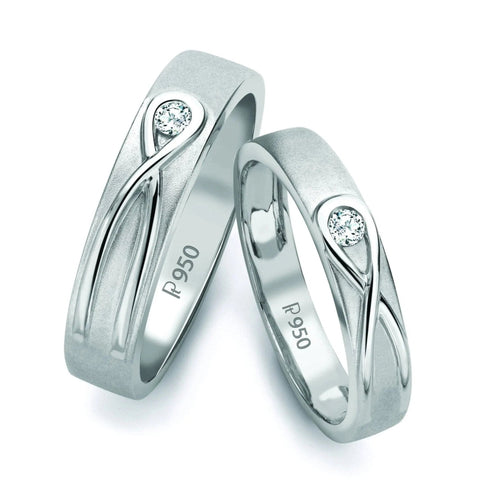
Among the pieces available are the Infinity Knot Solitaire Platinum Love Bands SJ PTO 115, 3mm Wide Platinum Wedding Band SJ PTO 223, and Japanese Platinum Chain for Men JL PT CH 1009. Those looking specifically at platinum jewellery for men will find a dedicated range built for daily wear. Each type of jewellery deserves the same thoughtful approach to cleaning, storage and everyday protection.
Conclusion: Small Habits Protect Jewellery Made to Last
The best approach to platinum jewellery care mistakes to avoid is surprisingly simple: clean gently, store carefully, protect jewellery from harsh chemicals and heavy impact, and pay attention to gemstone settings.
Platinum is made for jewellery that can become part of everyday life, but good maintenance keeps that relationship beautiful. As Sambhav Karnawat of Jewelove, thoughtful jewellery care is not about making maintenance complicated; it is about preserving the details that make each piece worth keeping.
For readers exploring platinum jewellery for engagements, weddings or everyday wear, Jewelove offers Pt950-hallmarked platinum pieces across rings, bands, chains, bracelets, earrings and pendants, along with customised platinum jewellery options.
Explore Jewelove's platinum jewellery collection and choose a piece designed to become part of your story. With the right care from day one, your platinum jewellery can continue looking distinctive through years of wear.
Frequently Asked Questions
Q1. How should I clean platinum jewellery at home?
Use lukewarm water, mild soap and a soft-bristled brush. Gently clean the surface and around settings, rinse thoroughly and dry with a lint-free cloth. Avoid abrasive products, toothpaste, bleach and chlorine.
Q2. Can I use toothpaste for cleaning platinum jewellery?
No. Toothpaste can contain abrasive particles that are unsuitable for fine jewellery. Use mild soap, lukewarm water and a soft brush for routine cleaning instead.
Q3. Is platinum jewellery scratch-proof?
No jewellery metal is completely scratch-proof. Platinum can develop surface marks and a natural patina with regular wear. These changes are normal and do not necessarily mean the jewellery is damaged.
Q4. Will platinum jewellery lose its white colour?
Platinum does not require plating to maintain its naturally white appearance. Its surface can develop a patina with wear, creating a softer finish. Professional polishing can restore a brighter, high-gloss appearance when desired.
Q5. What are the most common platinum jewellery care mistakes to avoid?
The main mistakes include using harsh chemicals, abrasive cleaners, aggressive scrubbing, poor storage, and wearing jewellery during heavy-impact activities. Ignoring loose stones or damaged settings is another serious mistake to avoid.
Q6. Why does platinum develop a patina?
Platinum develops a natural patina as its surface changes through everyday wear. It is a normal characteristic of the metal and can be retained for a softer appearance or professionally polished when a brighter finish is preferred.
Q7. How often should platinum jewellery be professionally maintained?
The frequency depends on how often the jewellery is worn and its design. Everyday pieces and jewellery with gemstones may benefit from periodic professional inspection. Seek professional attention sooner if you notice loose stones, worn prongs or structural damage.
Q8. Can platinum jewellery be worn every day?
Yes. Platinum is well suited to everyday jewellery, including rings, wedding bands and chains. However, remove it during heavy physical activities and exposure to strong chemicals, and follow appropriate cleaning and storage practices.