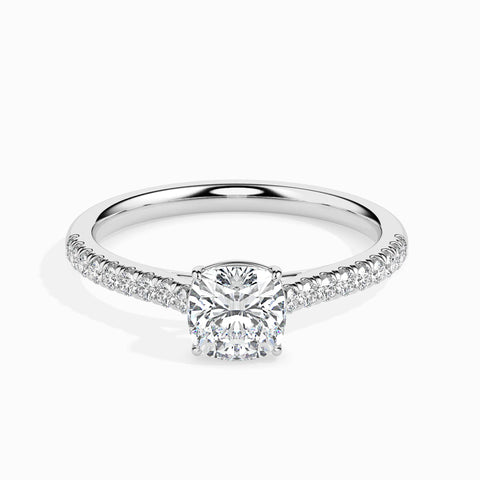
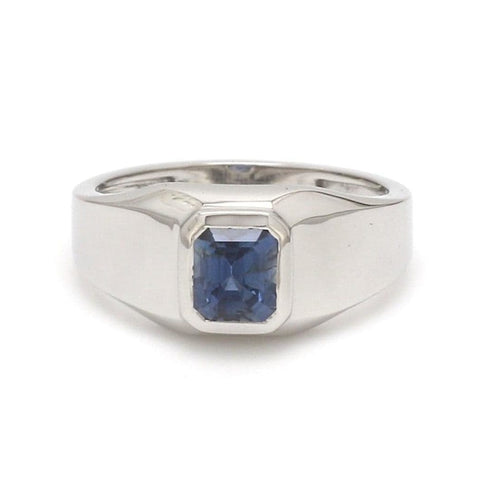
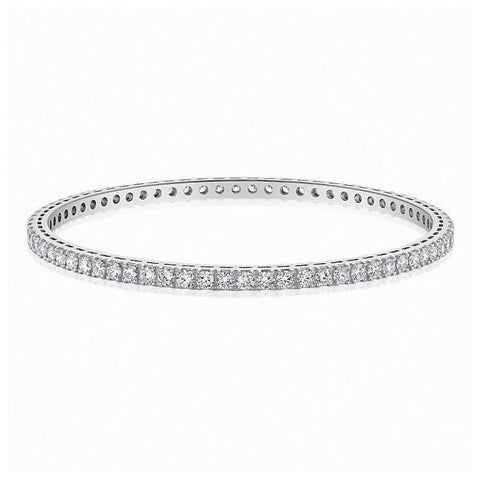
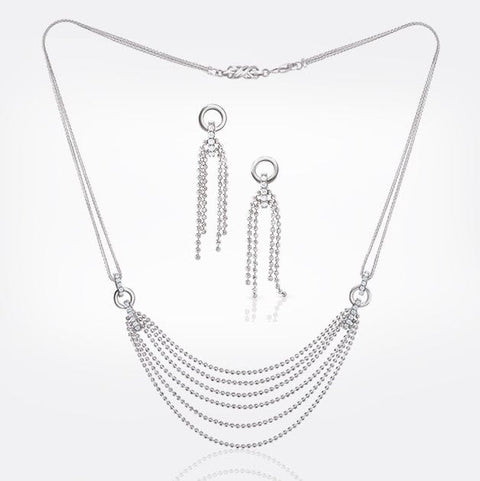
To identify real platinum jewellery, check its platinum hallmark, especially a Pt950 mark, and verify the accompanying certification and purchase documentation. Platinum’s natural white colour and substantial weight can offer supporting clues, but hallmarking and reliable certification provide stronger evidence of authenticity.
Knowing how to identify real platinum jewellery starts with checking its purity mark and certification rather than relying on appearance alone. Jewelove offers Pt950-hallmarked platinum jewellery with a Platinum Guild International Certificate of Authenticity. Knowing what to check makes the decision clearer.
How to Identify Real Platinum Jewellery: 5 Key Checks
A platinum hallmark is one of the first details to check when assessing a piece of platinum jewellery. It identifies the stated metal and purity and helps distinguish platinum from other white-coloured precious metals.
The hallmark is usually placed in a discreet location so that it does not affect the appearance of the jewellery. Depending on the type of piece, you may find it:
-
Inside the band of a ring
-
Near the clasp of a chain
-
Around the clasp or fastening of a bracelet
-
On a discreet section of a pendant
-
On the back or another less visible area of an earring
The exact position can vary according to the design and size of the jewellery.
A hallmark should not be considered in isolation. For a high-value purchase, compare the marking with the product description, invoice, certificate and information provided by the jeweller. Consistency across these details gives you a more complete picture of the piece.
2. Check the Pt950 Mark
The Pt950 mark is particularly important when checking high-purity platinum jewellery. "Pt" identifies platinum, while "950" refers to the number of parts of platinum in every 1,000 parts of the alloy. In simple terms, Pt950 jewellery contains 95% platinum, with the remaining 5% consisting of alloy metals used to give the finished jewellery the physical properties needed for manufacturing and everyday wear. If you're wondering what does pt950 mean on platinum jewellery?, this purity grade is the answer.
For example, if you had 1,000 parts of a PT950 alloy, 950 parts would be platinum.
This makes the Pt950 marking an important part of a platinum purity check. It tells you substantially more than simply knowing that the jewellery has a silver-white appearance.
Jewelove’s platinum jewellery is hallmarked Pt950, helping buyers identify the stated purity of the platinum used in the piece.
3. Perform a Platinum Purity Check
A platinum purity check should go beyond examining the jewellery's colour or weight. The purity grade stamped on the piece provides a specific indication of its platinum content.
You may come across different platinum purity grades, including:
-
Pt999: 99.9% platinum
-
Pt950: 95% platinum
-
Pt900: 90% platinum
-
Pt850: 85% platinum
The number represents parts per thousand, rather than a price, model number or product code.
Understanding these markings is particularly useful when comparing different platinum jewellery pieces. A piece described simply as “platinum” does not provide the same level of information as one that clearly states its purity grade.
It is also worth remembering that purity is only one part of overall jewellery quality. Craftsmanship, finishing, construction, gemstone setting, weight and authenticity documentation also matter when evaluating a finished piece.
4. Verify the Platinum Certification
Platinum certification provides supporting documentation about the jewellery and can be particularly valuable when purchasing an expensive piece.
A certificate should correspond to the jewellery you are buying. Check that the details on the certificate are consistent with the product description and purchase documentation.
Before completing a purchase, look for:
-
The stated platinum purity
-
The jewellery description
-
Product or identification details, where applicable
-
The issuing or certifying organisation
-
Information that connects the certificate to the specific jewellery piece
At Jewelove, platinum jewellery comes with a Platinum Guild International Certificate of Authenticity alongside Pt950 hallmarking. This gives buyers both a physical purity marking on the jewellery and supporting certification.
For a significant jewellery purchase, having documentation can be especially reassuring because authenticity cannot be established reliably from appearance alone.
5. Consider Weight, Colour and Physical Characteristics
Platinum has several physical characteristics that can provide useful supporting clues.
It has a naturally white appearance and a high density, which means platinum jewellery can feel noticeably substantial compared with pieces made from some lighter metals of a similar size.
However, these characteristics are not a standalone genuine platinum test.
A white appearance does not prove that a piece is platinum because white gold and silver can also have a similar appearance. Likewise, weight depends on the jewellery's dimensions, design and construction, so it cannot establish purity on its own.
Think of these characteristics as additional observations rather than definitive evidence. The hallmark, certification and purchase documentation carry much more useful information when determining authenticity.
How to Identify Real Platinum Jewellery Through the Hallmark
What Does a Platinum Hallmark Tell You?
A platinum hallmark communicates the stated purity of the platinum used in a piece of jewellery. A Pt950 marking indicates that the alloy contains 950 parts platinum per 1,000 parts.
When inspecting a ring, look carefully inside the band. For chains and bracelets, examine the clasp or nearby discreet areas. Small jewellery pieces may have markings that are difficult to see without magnification.
Do not be concerned if the hallmark is small or positioned discreetly. Jewellery hallmarks are often designed to provide identification without distracting from the design.
The most useful approach is to read the hallmark together with the certificate, invoice and retailer information. If these details do not match, ask the jeweller for clarification before making the purchase.
How to Identify Real Platinum Jewellery with a Genuine Platinum Test
Can You Do a Genuine Platinum Test at Home?
You can perform basic observations at home, but they should be treated as preliminary checks rather than definitive authentication.
Start by examining:
-
The Pt950 or other stated platinum purity mark
-
The colour and surface finish
-
The overall weight and feel
-
The product description
-
The purchase invoice
-
Any accompanying certification
-
The jeweller's information
You may find various home-testing methods online, including magnet tests, scratch tests and chemical tests. These should be approached carefully.
A magnet test, for example, is not conclusive proof of platinum authenticity. Platinum itself is not strongly attracted to an ordinary magnet, but jewellery is an alloy and may contain other components. Clasps, settings and other parts can also affect the result.
Chemical testing can also damage jewellery if performed incorrectly, particularly when gemstones, coatings or delicate finishes are involved.
For this reason, a home observation is best viewed as an initial screening step. If a valuable piece is in question, professional verification by an established jeweller or qualified testing facility is a more appropriate route.
How to Identify Real Platinum Jewellery vs White Gold
Platinum vs White Gold: How Can You Tell the Difference?
Platinum and white gold can look similar, but their compositions, purity markings and physical characteristics are different.
Platinum:
-
Is naturally white
-
Is commonly used in high-purity grades such as Pt950
-
Has high density
-
Has a substantial feel
-
Does not depend on rhodium plating to create its naturally white colour
-
Is widely used for rings, wedding bands and gemstone jewellery
White gold:
-
Is a gold alloy combined with other metals
-
Is identified through gold purity markings such as 18K or 14K
-
May use rhodium plating to achieve a bright white surface
-
Has different composition and physical characteristics from platinum
This is why colour alone is not a reliable way to identify platinum.
If a jewellery piece looks white and is being sold as platinum, check the hallmark and supporting documentation rather than assuming the metal from its appearance.
Why Platinum Certification Matters Before You Buy
A platinum certification provides supporting documentation for the jewellery's stated authenticity and purity. This becomes especially relevant when you are purchasing a high-value ring, wedding band, diamond setting or other significant piece.
Before purchasing, check:
-
The platinum purity mark
-
The certificate
-
The jeweller's credentials
-
The invoice
-
The product description
-
The jewellery's identification details, where applicable
-
Whether the information across the documents matches
A certificate does not replace the importance of a hallmark, and a hallmark should not be treated as the only factor either. Together, physical markings and supporting documentation provide a stronger basis for understanding what you are purchasing.
Jewelove specialises in platinum jewellery and is an authorised retailer of Platinum Guild International. The brand was founded by Sambhav Karnawat, a fourth-generation jeweller and IIT Kanpur alumnus. Its platinum range includes rings, wedding bands, chains, bracelets, platinum earrings, necklaces and pendants.
Common Mistakes When Checking Platinum Jewellery
Assuming Colour Proves Authenticity
Platinum's naturally white colour can make it visually distinctive, but white gold and silver can have a similar appearance. It helps to understand why platinum gold and silver are used to make jewellery with such comparable finishes. Colour is therefore only a supporting clue.
Relying Only on Weight
Platinum is dense, but the weight of jewellery also depends on its dimensions, thickness, design and construction. Weight alone cannot establish platinum purity.
Treating a Home Test as Final Proof
A genuine platinum test performed at home may provide preliminary information, but it should not be considered definitive authentication for a valuable piece.
Ignoring the Certificate
Documentation provides information that visual inspection cannot. If certification is provided, check that it corresponds with the jewellery you are purchasing.
Forgetting to Check the Invoice
An invoice provides an important purchase record. Make sure the description and purity details correspond with the jewellery and its accompanying documentation.
Choosing Based Only on Appearance
A beautifully finished piece can still require closer inspection before purchase. Consider purity, craftsmanship, certification and the reputation of the seller alongside the design.
How to Identify Real Platinum Jewellery Before Buying: Quick Checklist
For buyers wondering how to identify real platinum jewellery before purchase, this simple checklist can help:
-
Is there a clear platinum hallmark?
-
Does the jewellery carry a Pt950 mark or another stated purity grade?
-
Does the platinum purity check match the information provided by the seller?
-
Is valid platinum certification available?
-
Does the certificate correspond with the specific piece?
-
Does the invoice match the product description?
-
Is the jewellery being sold by an established jeweller?
-
Is the platinum weight clearly provided where relevant?
-
Can the piece be professionally verified if authenticity is uncertain?
Taking a few minutes to check these details can make a significant difference, particularly when purchasing a valuable piece of jewellery.
Why Buying From an Established Jeweller Matters
Knowing how to identify real platinum jewellery is only part of making a confident purchase, whether you're shopping for classic pieces or platinum jewellery for men. The source of the jewellery matters too.
An established jeweller should be able to provide clear information about:
-
Metal purity
-
Hallmarking
-
Certification
-
Product specifications
-
Pricing
-
Invoices
-
Returns and exchanges
-
After-sales support
This information allows you to make a decision based on documented details rather than assumptions.
For platinum jewellery, transparency is especially important because platinum pieces can represent a substantial investment, which is also why buyers often ask why is platinum jewellery more expensive than gold? before purchasing. A reputable seller should make it straightforward to understand the metal, craftsmanship and documentation associated with the piece.
Choose Certified Platinum Jewellery from Jewelove
Once you understand how to identify real platinum jewellery, the next step is choosing a piece backed by clear purity and authenticity information. Jewelove's platinum jewellery is Pt950 hallmarked and comes with a Platinum Guild International Certificate of Authenticity.
From classic wedding bands and couple rings to diamond solitaires, chains, bracelets, earrings and customised designs, Jewelove offers platinum jewellery for different styles and milestones.
For anyone learning how to identify real platinum jewellery, choosing a properly documented piece is a natural next step. Explore Jewelove's collection of platinum rings, wedding bands, couple rings, chains, bracelets, earrings, necklaces and pendants to find a design suited to your style or occasion.
For Sambhav Karnawat and the Jewelove team, platinum represents more than its purity or distinctive appearance. It is a precious metal chosen for jewellery intended to accompany meaningful moments for years to come.
Frequently Asked Questions
Q1. How can I identify real platinum jewellery?
Check the platinum hallmark, purity mark, certification, and purchase documentation. Weight and colour can support the assessment but cannot prove authenticity on their own.
Q2. How does a platinum purity check work?
Start by checking the Pt950 or other purity mark, then compare it with the certificate, invoice and product information. Professional testing can provide further verification when needed.
Q3. Can I test platinum at home?
You can check the hallmark, appearance, weight and documentation at home. These checks provide preliminary clues, while professional testing is preferable when authenticity is uncertain.
Q4. Is Pt950 genuine platinum?
Yes. Pt950 indicates that the jewellery alloy contains 95% platinum, with the remaining 5% consisting of alloy metals.
Q5. Will a magnet test prove platinum is real?
No. A magnet test alone cannot conclusively establish platinum authenticity or purity because jewellery can contain alloy metals and other components.
Q6. What does a platinum hallmark mean?
A platinum hallmark indicates the stated purity of the platinum used in the jewellery. Pt950 means that 950 parts out of every 1,000 parts of the alloy are platinum.
Q7. What is a genuine platinum test?
A genuine platinum test is a method used to determine whether a piece contains platinum. Home observations are preliminary, while professional testing provides more reliable verification when authenticity is in doubt.
Q8. Why is platinum certification important?
Certification provides supporting documentation for a jewellery piece's stated authenticity and purity. It can be checked alongside the hallmark, invoice, and retailer information.