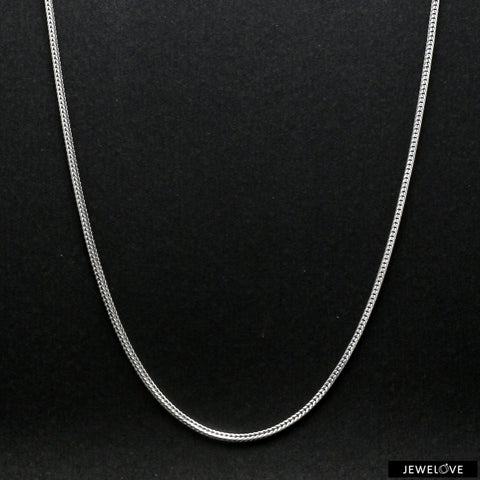
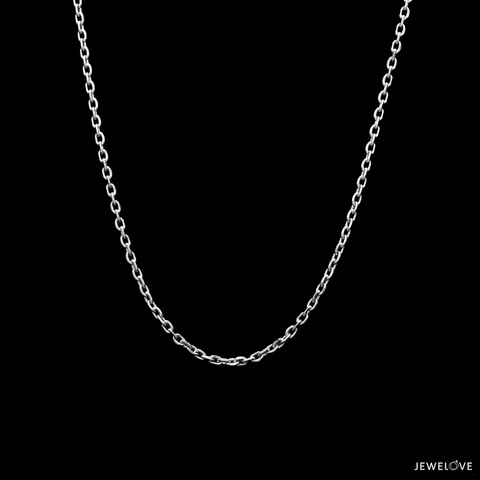
Clean it gently with mild soap and lukewarm water, dry it with a soft cloth, store it separately, and remove it during strenuous activities. Avoid abrasive cleaners and harsh chemicals, and have damaged settings or worn finishes professionally inspected.
Platinum jewellery is made for everyday memories, but how to take care of platinum jewellery and make it last longer comes down to a few simple habits: gentle cleaning, careful storage and mindful wearing. At Jewelove, our platinum jewellery is Pt950 hallmarked and accompanied by a Platinum Guild International Certificate of Authenticity. The right care can help your favourite piece stay part of your story for years to come.
Why Does Platinum Jewellery Need Regular Care?
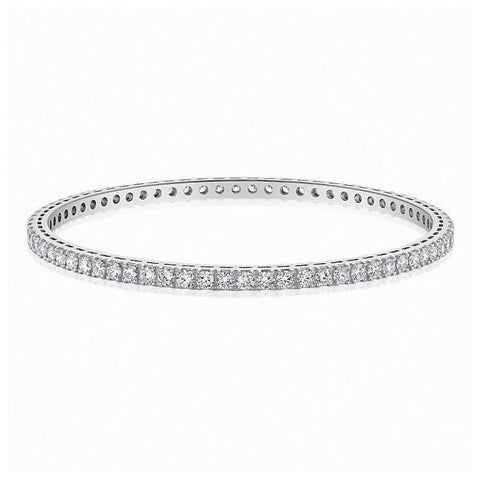
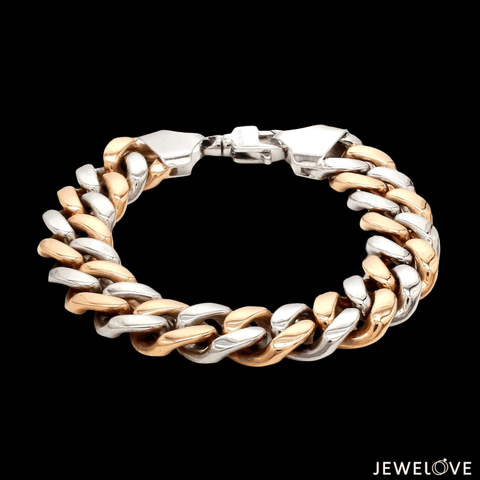
Platinum is valued for its durability, natural white appearance and suitability for everyday jewellery. Jewelove's platinum jewellery collection includes rings, wedding bands, bracelets, chains, earrings, pendants and customised pieces, giving platinum a place in everything from daily wear to important occasions.
However, durability does not mean that platinum jewellery is completely maintenance-free. Daily contact with skin, dust, lotions, household products and other surfaces can leave residue or gradually alter its finish.
Knowing how to take care of platinum jewellery and make it last longer is therefore less about complicated maintenance and more about treating the jewellery thoughtfully.
Does Platinum Tarnish?
Platinum does not tarnish in the same way as metals that develop a coloured layer through oxidation. With regular wear, however, its surface can develop a natural patina. This can make highly polished platinum appear softer or less mirror-like over time.
A patina is not necessarily damage. Some people appreciate this natural finish because it reflects the jewellery's journey and everyday use. If you prefer a brighter polished appearance, professional refinishing can restore the surface.
How to Clean Platinum Jewellery Safely at Home
One of the most important parts of platinum jewellery maintenance is regular, gentle cleaning. You do not need an elaborate collection of jewellery-cleaning products for routine care.
What You Need
For basic cleaning platinum jewellery, keep these simple items ready:
-
A bowl of lukewarm water
-
A small amount of mild liquid soap
-
A soft-bristled toothbrush
-
A clean, lint-free or microfibre cloth
Jewelove's platinum-cleaning guidance recommends gentle soap-and-water cleaning rather than abrasive household methods.
Follow These Simple Steps
1. Prepare the cleaning solution
Add a small amount of mild soap to lukewarm water. Avoid very hot water, particularly when your jewellery contains gemstones.
2. Let the jewellery soak
Place the piece in the solution for a few minutes. This helps loosen everyday oils, dust and residue.
3. Brush gently
Use a soft-bristled toothbrush to clean the platinum surface. Pay particular attention to areas around settings, underneath stones, engravings and other places where dirt can collect.
4. Rinse thoroughly
Rinse the jewellery with clean water to remove soap residue. When cleaning a small piece, make sure the drain is safely covered.
5. Dry carefully
Pat the piece dry with a soft, lint-free cloth rather than rubbing it aggressively.
This gentle routine is usually sufficient for regular home care. If the piece has a loose stone, damaged setting or persistent buildup, professional attention is more appropriate.
How Often Should You Clean Platinum Jewellery?
There is no single cleaning schedule that suits every piece. A platinum ring worn every day naturally collects more oils and residue than an occasional pendant or pair of earrings.
For everyday pieces, a light cleaning routine can be performed regularly, while a more thorough clean can be done when the jewellery begins to look dull or develops visible buildup.
The most useful rule for how to take care of platinum jewellery and make it last longer is simple: clean according to how frequently the piece is worn, not according to a rigid calendar.
Jewelove's existing care guidance recommends regular gentle cleaning for frequently worn platinum jewellery and professional attention when scratches, loose stones or persistent dullness require more than routine home care.
How to Maintain Platinum Rings for Everyday Wear
Rings generally need more attention than jewellery that remains away from the hands because they encounter frequent contact with surfaces, unlike a platinum jewellery necklace, which rarely faces the same wear.
If you want to maintain platinum rings, start with the way you wear them.
Remove Rings During Heavy Activities
Take platinum rings off before:
-
Weight training or gym workouts
-
Gardening
-
Heavy lifting
-
Sports
-
Manual work
-
Intensive household tasks
This reduces unnecessary impact, friction, and exposure to substances that may affect the jewellery or its gemstone setting.
Put Jewellery on After Beauty Products
Perfumes, lotions, creams and other personal-care products can leave residue on jewellery. Allow these products to settle before putting your platinum pieces on.
Check Your Ring Setting
Do not ignore a stone that suddenly feels loose or moves differently than usual. Also look for visibly bent or damaged prongs.
A platinum band may be highly durable, but a ring with diamonds or other gemstones still contains delicate settings that deserve regular attention.
How to Protect Platinum Jewellery From Scratches and Damage
Understanding how to take care of platinum jewellery and make it last longer also means protecting it when you are not wearing it.
Store Each Piece Separately
Keep platinum jewellery in a soft pouch, fabric-lined box or separate compartment, an especially useful habit if your collection reflects the latest latest jewellery design trends alongside older pieces. Individual storage reduces unnecessary contact between pieces.
This is especially useful when storing platinum alongside harder jewellery materials that can create surface marks through repeated contact.
Keep Platinum Away From Harsh Chemicals
Remove jewellery before using strong household cleaning products and avoid unnecessary exposure to chemicals such as chlorine.
The safest approach is to treat platinum jewellery as something that should not be worn while carrying out cleaning, swimming, or other activities involving strong chemical exposure.
Avoid Abrasive DIY Methods
Do not use rough materials or abrasive household substances simply because they are readily available.
Toothpaste, baking soda scrubs, and aggressive polishing methods can be inappropriate for jewellery, especially pieces containing gemstones or detailed settings. Jewelove's existing care guidance specifically recommends gentle cleaning rather than abrasive home remedies.
How to Care for Platinum Jewellery With Diamonds and Gemstones
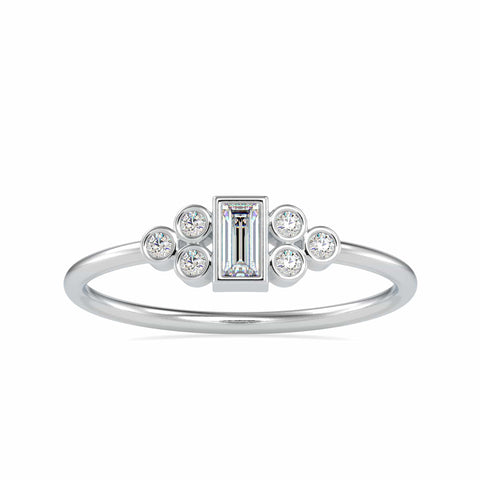
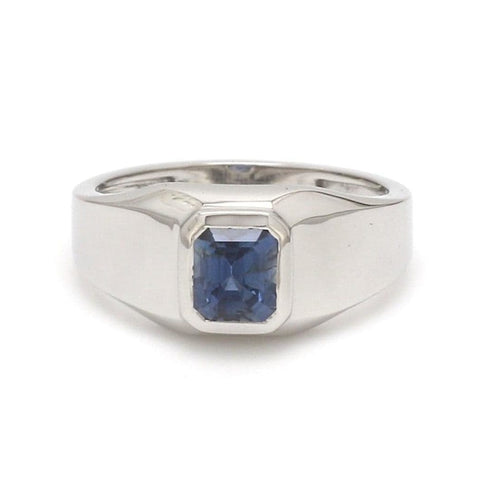
Platinum is frequently paired with diamonds and other gemstones because of its strength and appearance, which is part of why lab grown diamond jewellery pairs so naturally with a platinum setting. Jewelove's current collection includes platinum solitaire rings, diamond rings, wedding bands and other gemstone jewellery.
When caring for these pieces, remember that the gemstone and its setting need attention too.
A cleaning method that is suitable for the platinum itself may not automatically be suitable for every gemstone. Avoid experimenting with strong chemicals or unfamiliar cleaning solutions when you are unsure about the stone.
Professional inspection is especially sensible when:
-
A gemstone appears loose
-
A prong looks damaged
-
The jewellery has suffered a strong impact
-
Dirt is trapped around a setting
-
The piece has an unusual construction
For valuable jewellery, gentle care is always preferable to aggressive cleaning.
Can Platinum Jewellery Be Polished?
Yes. Cleaning and polishing are two different things.
Cleaning removes surface dirt, oils and residue.
Polishing or refinishing changes the appearance of the metal's surface.
Platinum can develop a natural patina with everyday wear. If you prefer a more polished appearance, professional refinishing can refresh the surface. Jewelove's platinum-care guidance also distinguishes everyday cleaning from professional polishing and maintenance.
There is no need to polish platinum simply because it has developed a natural patina. The choice depends on the finish you prefer, much as it does across the different types of jewellery platinum is used to create.
When Does Platinum Jewellery Need Professional Care?
Routine home care is useful, but it does not replace professional inspection when jewellery shows signs of a problem.
Consider professional attention if:
-
A diamond or gemstone feels loose
-
Prongs appear worn or damaged
-
The jewellery has deep or noticeable scratches
-
A piece has suffered an impact
-
The finish needs professional refinishing
-
Home cleaning does not remove persistent buildup
Regular inspection is particularly important for engagement rings and wedding bands because they are often worn continuously.
Author Sambhav Karnawat recommends approaching platinum care with the same thoughtfulness used when selecting the jewellery itself, whether it's a ring, a bracelet, or platinum jewellery for men: everyday cleaning should be gentle, while structural concerns should be handled professionally.
8 Simple Jewellery Care Tips for Longer-Lasting Platinum
The easiest way to remember how to take care of platinum jewellery and make it last longer is to follow these everyday habits:
-
Clean platinum gently with mild soap and lukewarm water.
-
Use a soft-bristled brush instead of abrasive materials.
-
Dry jewellery with a soft, lint-free cloth.
-
Remove rings before heavy physical activities.
-
Keep platinum away from harsh household chemicals.
-
Store each jewellery piece separately.
-
Check gemstone settings and prongs regularly.
-
Choose professional cleaning or polishing when routine home care is not enough.
These simple jewellery care tips can become part of your normal routine without making jewellery maintenance feel like a chore.
Common Platinum Jewellery Care Mistakes to Avoid
Knowing what not to do is just as important as knowing what to do.
-
Scrubbing too hard: Excessive pressure is unnecessary for routine cleaning.
-
Using abrasive cleaners: Household abrasives are not a substitute for proper jewellery care.
-
Storing pieces together: Jewellery can rub against other pieces when stored loosely.
-
Wearing rings during strenuous work: Heavy contact can put unnecessary stress on the ring and its setting.
-
Ignoring loose stones: A small setting problem can become more serious if it is left unattended.
-
Treating patina as tarnish: A natural change in surface appearance does not mean the platinum has become damaged.
How to Make Platinum Jewellery Last Longer
The most effective approach to how to take care of platinum jewellery and make it last longer is consistent rather than complicated.
Think of platinum care as five simple steps:
Clean → Dry → Store Separately → Inspect → Professionally Maintain
Clean away everyday residue. Dry the jewellery properly. Store it where it will not rub against other pieces. Inspect rings and settings regularly. When a piece needs polishing, repair or closer examination, seek professional care.
This balanced approach helps preserve both the appearance of your jewellery and the condition of its settings.
Explore Platinum Jewellery at Jewelove
The right jewellery deserves the right care, but choosing a well-made piece is where that journey begins. Jewelove offers an extensive collection of platinum rings, wedding bands, couple rings, chains, bracelets, earrings and pendants. Every platinum piece is Pt950 hallmarked, and Jewelove states that its platinum jewellery comes with a Certificate of Authenticity issued by the Platinum Guild International.
If you are looking for a platinum ring for an engagement, wedding, anniversary or everyday expression of love, explore Jewelove's platinum collection and find a piece designed to become part of your story.
Author: Sambhav Karnawat, Jewelove
Frequently Asked Questions
Q1. How do you clean platinum jewellery at home?
Use lukewarm water, mild liquid soap, and a soft-bristled toothbrush. Gently clean the piece, rinse it thoroughly, and pat it dry with a soft cloth.
Q2. Can you use toothpaste to clean platinum jewellery?
It is better to avoid toothpaste. Its abrasive ingredients can make it unsuitable for jewellery cleaning, particularly when gemstones or delicate finishes are involved.
Q3. Is platinum jewellery easy to maintain?
Yes. Platinum is durable and requires relatively simple routine care. Gentle cleaning, proper storage, and sensible everyday handling are the essentials.
Q4. Will platinum jewellery get scratched?
Yes. Platinum can develop surface scratches through everyday wear. These can contribute to its natural patina, and professional refinishing can restore a more polished finish when desired.
Q5. What should you avoid when caring for platinum jewellery?
Avoid abrasive cleaners, rough scrubbing, unnecessary chemical exposure and wearing jewellery during strenuous activities or heavy manual work.
Q6. Why does my platinum ring look less shiny?
Regular wear can create a natural patina on platinum. This changes the surface appearance but does not necessarily mean the jewellery is damaged.
Q7. How often should platinum jewellery be professionally checked?
There is no universal interval for every piece. Have jewellery inspected when you notice loose stones, damaged prongs, significant scratches, or other changes that routine cleaning cannot address.
Q8. How can you protect platinum jewellery while storing it?
Store each piece separately in a soft pouch, fabric-lined box or individual compartment. This limits friction with other jewellery and helps protect the surface.