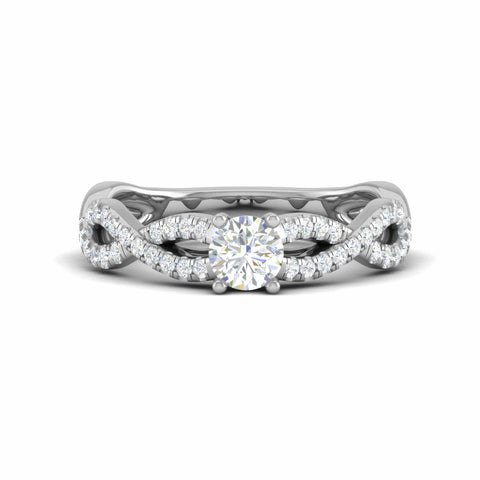
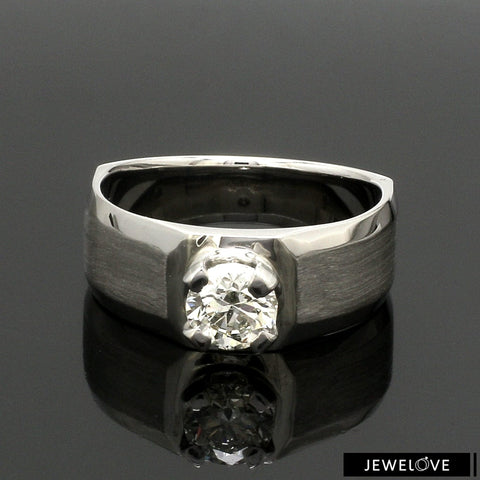
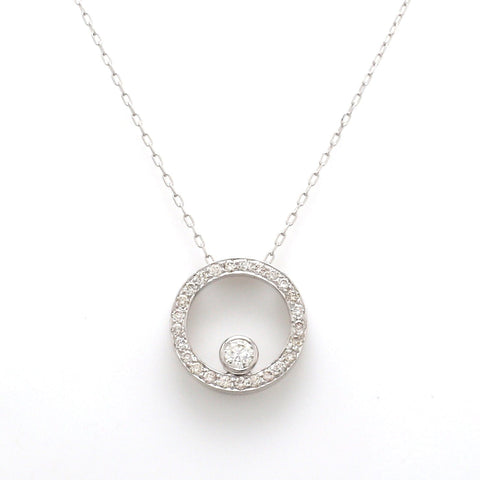
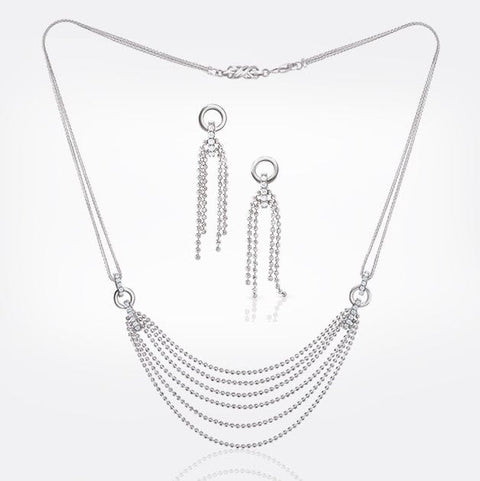
Mistakes to avoid buying diamond jewellery include choosing only by carat, overlooking cut quality, skipping certification, ignoring the setting, trusting unrealistic discounts, and failing to check the jeweller’s reputation and policies. Always compare the 4Cs, verify authenticity, assess craftsmanship, understand the metal, and review after-sales terms before making your purchase.
Buying diamond jewellery is exciting, but the mistakes to avoid buying diamond jewellery can be costly if you focus only on appearance or price. The smartest purchase considers the diamond, setting, metal, certification, and jeweller together. Jewelove brings a heritage-led approach to fine jewellery, but knowing what to look for first makes every purchase more confident. Let’s get into the details.
Why Knowing Diamond Buying Mistakes Matters
A diamond may catch your eye instantly, but its appearance tells only part of the story. Two stones with similar carat weights can look remarkably different because of their cut, colour, clarity and proportions. The jewellery surrounding the stone matters too, whether you're comparing a solitaire design or platinum diamond couple rings for an engagement.
Understanding common diamond buying mistakes helps you move beyond a simple “bigger is better” mindset. Instead, you can assess whether the diamond suits your budget, whether the setting is secure, whether the metal is authentic, and whether the seller provides appropriate documentation.
For a purchase that may become an engagement ring, wedding band, or family heirloom, those details deserve attention.
10 Mistakes to Avoid Buying Diamond Jewellery
1. Choosing a Diamond Based Only on Carat Weight
One of the most common mistakes to avoid buying diamond jewellery is treating carat weight as the main measure of quality.
Carat refers to weight, not beauty. A heavier diamond can have weaker brilliance if its cut is poor, while a smaller, well-cut diamond can appear exceptionally lively.
Before increasing the carat, look at the complete picture. Consider cut quality, proportions, colour, clarity and how the stone looks in its actual setting. Your goal should be a balanced diamond that delivers the appearance you want within your budget, the same principle that applies when comparing a solitaire diamond against other cuts.
2. Ignoring the Importance of Diamond Cut
Cut is frequently confused with shape. Round, oval, pear, and emerald describe shapes, while cut relates to how effectively a diamond's facets interact with light.
A well-cut diamond can return light beautifully, creating the sparkle most people associate with diamond jewellery. This is why cut deserves careful consideration rather than being treated as a secondary specification.
When comparing stones, don't rely entirely on photographs or numbers. If possible, examine how the diamond performs in different lighting conditions.
3. Assuming Higher Colour and Clarity Always Mean Better Value
Higher grades can sound automatically superior, but that doesn't mean every buyer needs the highest available grade.
Colour refers to how much body colour a diamond displays, while clarity describes the presence of internal or surface characteristics. Some inclusions or colour differences may have little visible impact once the diamond is set.
One of the most useful diamond jewellery buying tips is to understand what you can actually see. Instead of paying simply for a higher grade, consider the overall appearance and whether the difference is meaningful to you.
4. Buying Without Checking Diamond Certification
Certification is an important part of an informed diamond purchase. A grading report records characteristics such as carat weight, colour, clarity and, where applicable, cut and measurements.
Before purchasing, check what documentation accompanies the diamond and whether the information corresponds with the jewellery being offered.
For example, Jewelove's current product listings can specify details such as whether a stone is a natural diamond and identify the diamond grading report associated with particular pieces.
Documentation doesn't replace careful buying, but it gives you a clearer basis for comparison.
5. Assuming the Most Expensive Diamond Is Automatically the Best
Price alone cannot tell you whether a diamond is right for you.
A diamond's price can reflect several factors, including carat, cut, colour, clarity, shape and market conditions. Jewellery design, metal, craftsmanship and brand services can also affect the final price.
A better approach is to compare pieces with similar specifications and understand what you're paying for. Ask questions rather than being guided solely by a high or low price tag.
If you're wondering what to check before buying diamond, start by comparing the specifications, certification, and complete jewellery construction, not just the advertised price.
6. Ignoring the Jewellery Setting and Metal
The diamond isn't the only part worth examining. The setting holds the stone in place and contributes to the overall appearance, comfort and durability of the jewellery.
Look closely at the prongs, edges, finish, and construction. For rings, consider whether the design feels comfortable for regular wear. For earrings and pendants, examine how securely the stones are mounted, a detail worth checking closely with any platinum diamond earrings you're considering.
Metal authenticity matters as well. Jewelove states that its platinum jewellery is Pt 950 hallmarked and accompanied by a Platinum Guild International Certificate of Authenticity.
This illustrates an important buying principle: don't evaluate a diamond separately from the jewellery in which it sits.
7. Overlooking the Jeweller's Reputation
Among the most serious mistakes to avoid buying diamond jewellery is choosing a seller without researching who is behind the product.
Look for transparent product information, appropriate certifications, customer reviews, clear policies and accessible support. A jeweller should be willing to explain the diamond, metal, workmanship, and documentation without making you feel rushed.
Jewelove identifies Sambhav Karnawat as its founder and describes him as a fourth-generation jeweller and IIT Kanpur alumnus. The brand also states that it is an authorised retailer of Platinum Guild International.
These are the kinds of credentials buyers should investigate when assessing any jewellery brand.
8. Not Reading Return, Exchange and After-Sales Policies
Buying jewellery without understanding the policies can create unnecessary uncertainty later.
Before placing an order, check:
-
Return and exchange timelines
-
Conditions for customised jewellery
-
Resizing options
-
Repair or service support
-
Shipping and insurance
-
Refund conditions
-
Customer support availability
This becomes particularly important when purchasing online because you may not physically inspect the jewellery before ordering.
Jewelove currently highlights insured jewellery delivery and provides a dedicated customer-service process, while its website also offers customised jewellery services.
9. Choosing Without Considering Your Lifestyle
The right diamond jewellery should work with the way you actually live.
An elaborate ring may be perfect for occasional occasions but less practical for someone who wears jewellery throughout the day. Similarly, a delicate design may require different care from a heavier, more substantial piece, a consideration worth keeping in mind even when browsing a luxury diamond ring.
Think about how frequently you'll wear it, your preferred style, the type of setting, and the level of maintenance you're comfortable with.
The best purchase isn't necessarily the most elaborate one. It is the one you'll genuinely enjoy wearing.
10. Falling for Unrealistic Discounts or Temporary Trends
A dramatic discount can make a jewellery purchase feel irresistible, but price should never be the only reason you buy.
Instead, investigate the original specifications, certification, metal purity, workmanship, and policies. If the information isn't clear, ask questions before paying.
Trends deserve similar caution. Jewellery can represent a milestone that remains meaningful for years, so choose a design that reflects your personality rather than something you'll quickly outgrow.
This is one of the mistakes to avoid buying diamond jewellery that becomes especially relevant when shopping online, where promotional pricing can dominate the page.
What to Check Before Buying Diamond Jewellery
If you're making a purchase soon, use this simple checklist.
Diamond Quality Checklist
Check:
-
Carat weight
-
Cut quality
-
Colour
-
Clarity
-
Diamond shape
-
Grading report or certification
-
Whether the diamond is natural or lab-grown
Jewellery Quality Checklist
Also examine:
-
Metal purity and hallmark
-
Setting security
-
Craftsmanship
-
Finish
-
Comfort
-
Overall design
-
Suitability for your lifestyle
Seller Checklist
Finally, verify:
-
Jeweller reputation
-
Customer reviews
-
Authenticity documentation
-
Return and exchange policies
-
After-sales support
-
Shipping and insurance terms
Following these steps can prevent several avoidable diamond buying mistakes before they happen.
Diamond Buying Mistakes vs Smart Buying Tips
|
Common mistake |
Smarter approach |
|
Choosing only by carat |
Compare all relevant diamond characteristics |
|
Ignoring cut |
Prioritise brilliance and cut quality |
|
Skipping certification |
Ask for appropriate grading documentation |
|
Chasing the highest grades |
Focus on visible quality and value |
|
Buying only on price |
Compare specifications and craftsmanship |
|
Ignoring the setting |
Check security, finish and construction |
|
Trusting huge discounts |
Investigate the complete product details |
|
Ignoring the seller |
Research credentials, reviews and policies |
These simple diamond jewellery buying tips turn a complicated purchase into a more manageable decision.
Natural vs Lab-Grown Diamonds: What Should Buyers Know?
Today's shoppers may encounter both natural and lab-grown diamonds, including lab grown diamond jewellery. Both should be clearly identified so you know exactly what you are purchasing.
The important point is transparency. Check the product description, relevant grading documentation, and pricing before making a decision. Your choice can then reflect your budget, preferences and expectations.
The goal isn't to choose based on assumptions. It is to understand what is being offered and make an informed decision.
How to Choose Diamond Jewellery With Confidence
Start by setting a realistic budget. Then decide what type of jewellery you want and identify the design features that matter most, whether that's a ring, pendant, or a diamond rose gold bracelet for men.
Next, understand the 4Cs and compare diamonds on more than carat weight. Ask for relevant documentation and inspect the setting and metal carefully. Before paying, review the jeweller's return, exchange, and after-sales policies.
Most importantly, don't hesitate to ask questions.
A trustworthy jewellery buying experience should make you feel informed, not pressured. Knowing the mistakes to avoid buying diamond jewellery gives you the confidence to slow down, compare your options, and choose something that genuinely feels right.
Why Craftsmanship and Metal Matter as Much as the Diamond
A diamond may be the focal point, but the finished piece is a combination of stone, metal, design and craftsmanship, which naturally raises the question of is platinum expensive than diamond when planning a budget.
This is particularly important when choosing platinum jewellery. Jewelove says each piece of its platinum jewellery is Pt 950 hallmarked and comes with a Platinum Guild International Certificate of Authenticity. The brand also offers customised platinum jewellery, including bespoke designs and personalised engravings.
Jewelove's founder, Sambhav Karnawat, brings a fourth-generation jewellery background to the brand, combining traditional jewellery knowledge with a modern online buying experience.
That combination highlights an important principle: when buying fine jewellery, the expertise behind the finished piece matters too.
Choose Diamond Jewellery With Confidence
The best diamond purchase isn't simply the one with the biggest stone or the most attractive price. It is the one where you understand what you're buying, know what supports its value, and feel confident about the craftsmanship and seller behind it.
If you're ready to explore fine jewellery, discover Jewelove's platinum and diamond jewellery collections. From platinum solitaire rings and love bands to customised pieces, Jewelove combines Pt 950 hallmarking, PGI Certificates of Authenticity and a heritage of jewellery expertise.
Explore Jewelove and find a piece designed to become part of your story.
Frequently Asked Questions
Q1. How can I avoid common diamond buying mistakes?
Learn the 4Cs, check certification, assess the setting and metal, compare prices, and research the jeweller before purchasing.
Q2. Can I buy diamond jewellery online safely?
Yes. Choose a reputable seller that provides clear product specifications, appropriate certification, secure shipping and transparent return or exchange policies.
Q3. Is carat the most important factor when buying a diamond?
No. Carat measures weight. Cut, colour, clarity, proportions, and overall appearance also influence how a diamond looks.
Q4. What should I check before buying diamond jewellery?
Check the 4Cs, certification, metal purity, setting, craftsmanship, seller reputation, pricing and after-sales policies.
Q5. Why is diamond certification important?
A grading report documents key characteristics of a diamond, helping buyers understand and compare the stone more objectively.
Q6. Will a higher clarity grade always make my diamond look better?
Not necessarily. Some differences in clarity may not be visible without magnification, so consider overall appearance and value rather than automatically choosing the highest grade.
Q7. What is the biggest mistake people make when buying diamonds?
Focusing on a single factor, usually carat or price, without evaluating the diamond, jewellery, certification, and jeweller as a complete package.
Q8. Is the jeweller as important as the diamond?
Yes. A reputable jeweller can provide clearer product information, documentation, policies and after-sales support, helping you make a more informed purchase.