For couples preparing to commit to a lifetime together, one of the most meaningful decisions is choosing the metal that will hold their engagement ring. The question many people ask is simple yet important: Platinum vs gold engagement rings which is better? The answer depends on what matters most to you. Platinum is known for its purity, strength, and long-lasting white colour that never fades, while gold remains a classic choice admired for its timeless appeal, cultural significance, and design flexibility.
In India, where engagement rings blend emotional value with craftsmanship, the debate between platinum and gold has become increasingly relevant. As the country’s leading platinum specialist, Jewelove™ helps couples understand the fundamental differences so they can choose a ring that reflects both their style and the depth of their commitment.
Understanding the Basics - What Makes Platinum and Gold Different
A thoughtful comparison between these two metals begins with how they are naturally formed and how they behave in jewellery.
Gold
Gold has been cherished for centuries for its warmth and elegance. However, pure gold is extremely soft, making it unsuitable for jewellery on its own. To increase durability, it is alloyed with other metals. Engagement rings in India are typically seen in:
- 14K gold which contains 58.5 percent pure gold
- 18K gold which contains 75 percent pure gold
The remaining percentage is made up of alloys that strengthen the gold and influence its colour. Because of this, gold offers several aesthetic possibilities, making it ideal for people who enjoy personalised designs and colour variation.
Platinum
Platinum differs fundamentally because jewellery-grade platinum is almost pure. Rings are usually crafted in Pt 950, meaning 95 percent platinum and only 5 percent alloys for firmness. This extraordinary purity gives platinum its weight, density, and naturally white sheen. Unlike gold, it does not rely on plating or colour treatment. Its strength makes it especially secure for holding diamonds and gemstones in place, which is why many jewellers recommend it for engagement jewellery.
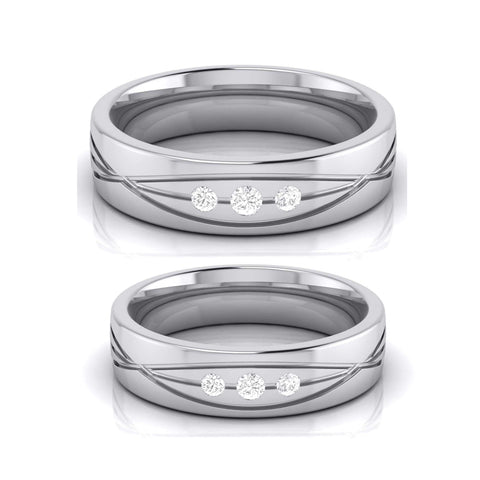
A beautiful example of platinum craftsmanship is seen in the Infinity Knot Solitaire Platinum Love Bands SJ PTO 115, where the metal’s purity enhances the sophistication of the design.
Platinum vs Gold Appearance and Colour
Colour often plays a decisive role in choosing an engagement ring. Couples usually select the metal that best complements their skin tone, style, and the diamond they choose.
Gold: A Versatile Palette
Gold is prized for its variety. Different alloy combinations create different tones, giving couples the freedom to choose a colour that aligns with their preferences.
- Yellow gold has a classic, rich, warm glow that suits vintage, traditional, and heritage-inspired designs
- Rose gold carries a soft, romantic blush tone preferred for contemporary and feminine aesthetics
- White gold appears bright and modern but requires periodic rhodium plating to maintain its colour
Platinum: A Naturally White Brilliance
Platinum has a naturally white, cool-toned colour that requires no plating. It maintains its shade indefinitely, which means the ring will retain its original brightness even after years of daily wear. This neutral tone highlights the fire and brilliance of diamonds more effectively, often making them appear clearer and more radiant.
Couples who appreciate a cleaner, modern, and timeless look are naturally drawn to platinum, especially for solitaire engagement rings.
Durability and Maintenance in Daily Wear
The durability of an engagement ring is important because it is worn every day. This is where the question “Platinum vs gold engagement rings — which is better?” becomes more practical.
Platinum
Platinum is one of the strongest precious metals used in jewellery. Its durability stems from its density and high purity. It does not wear away easily and retains its metal over time. When scratched, the metal simply shifts within the surface rather than thinning. This results in a soft, natural patina that many find elegant and symbolic of lasting love.
- Excellent for long-term daily wear
- Holds gemstones securely for decades
- Minimal maintenance required
- Retains nearly all of its metal over time
Gold
Gold is more delicate. Although alloys make it stronger, it still wears down gradually with friction, especially at the edges of rings or where it frequently contacts hard surfaces. White gold requires periodic rhodium polishing to maintain its brightness.
- Softer than platinum and more prone to wearing down
- White gold needs occasional re-plating
- Higher maintenance compared to platinum
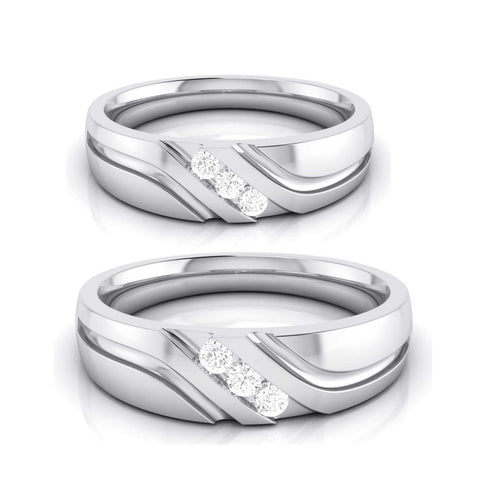
Classic options such as the Platinum Love Bands SJ PTO 104 demonstrate why many couples prefer platinum for lifelong wear.
Comfort and Weight on the Finger
Comfort is a personal preference, and weight plays a significant role in how a ring feels throughout the day.
- Platinum is heavier and has a distinctly luxurious presence. Many people enjoy this weight because it feels substantial and premium.
- Gold is lighter and more comfortable for those who prefer a barely-there feel.
If you like a more secure and noticeable sensation, platinum may appeal to you. If comfort and lightness are key, gold may be a better choice.
Price Comparison and Long-Term Value
Price is another factor in deciding Platinum vs gold engagement rings — which is better?.
General Pricing Trends
- Gold typically costs more per gram in India
- Platinum is more affordable per gram but requires skilled craftsmanship
Long-Term Investment Perspective
When choosing an engagement ring, many couples prioritise emotional longevity over financial return. In this regard, platinum stands out for lasting purity and strength. Gold is valuable as well, but it does not retain its metal over time in the same way platinum does.
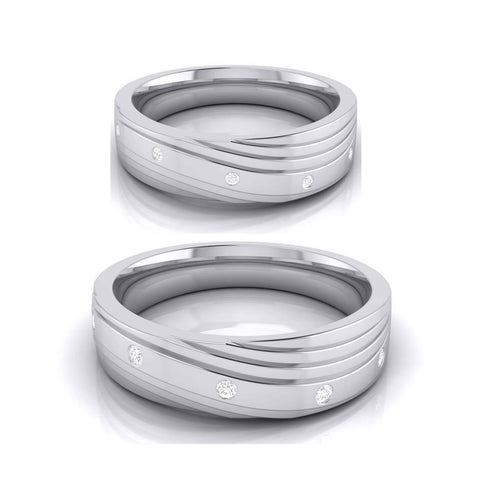
For couples who value meaningful details, designs such as Customized Fingerprint Engraved Platinum Rings JL PT 270 offer emotional investment that lasts for generations.
Hypoallergenic Qualities and Skin Comfort
Sensitive skin requires thoughtful material selection. Platinum is naturally hypoallergenic and free of nickel, making it ideal for people who experience irritation from other metals. Gold, particularly white gold, often contains alloys that may cause reactions.
Couples who want a ring that can be worn daily without discomfort usually prefer platinum for its purity and skin-friendly composition.
Symbolism and Emotional Meaning
The symbolism behind each metal often influences the final choice.
Gold Symbolises
- Prosperity
- Tradition
- Warmth
- Cultural heritage
Platinum Symbolises
- Strength
- Rarity
- Purity
- Everlasting commitment
Platinum has a modern association with enduring love and lifelong partnership, making it particularly meaningful for engagement rings that represent forever.
Expert Recommendation — Choosing What’s Best for You
Choosing the right metal ultimately depends on your lifestyle, aesthetic taste, and long-term expectations.
Choose Platinum if you value
- Durability that lasts across generations
- A naturally white colour that enhances diamond brightness
- Minimal maintenance
- Hypoallergenic purity
- A symbolic metal that represents strength and permanence
Choose Gold if you prefer
- A lighter, more comfortable ring
- Warmer tones or more colour options
- Traditional designs
- Greater budget flexibility
Jewelove suggests platinum for couples who want a symbol that remains as pure and enduring as the love it represents. For more design ideas, browse celebrity engagement ring styles for inspiration.
Read Our Latest Blogs
Why Are Platinum Wedding Rings Popular?| How to Check Hallmark on a Platinum Ring? | Can Platinum Rings Be Resized Easily? | Are Platinum Solitaire Rings More Durable Than Gold Ones?
Frequently Asked Questions
Q1. Which is more durable for daily wear, platinum or gold?
Platinum is more durable because of its density and purity. It does not wear away and holds gemstones securely. Gold is strong but gradually thins with constant wear.
Q2. Does platinum look better with diamonds than gold?
Yes. Platinum’s natural white colour enhances the brightness and clarity of diamonds, making them appear more brilliant.
Q3. Does white gold look the same as platinum?
White gold can look similar initially, but it requires rhodium plating to maintain its colour. Platinum remains naturally white without any treatment.
Q4. Which metal is better for sensitive skin?
Platinum is better because it is naturally hypoallergenic. Gold alloys, especially in white gold, may trigger irritation for some people.
Q5. Is platinum more expensive than gold?
Per gram, gold is usually more expensive. However, platinum jewellery may cost more due to craftsmanship and purity.
Q6. Does platinum scratch easily?
Platinum can scratch, but the metal only shifts rather than disappearing. The resulting patina is considered a sign of genuine wear and character.
Q7. Can platinum engagement rings be resized?
Yes, platinum can be resized, but it requires specialised expertise. Always choose a certified jeweller for resizing.
Q8. Should I choose platinum or gold for a long-term investment?
If your priority is durability and purity, platinum is a stronger long-term choice. If you prefer traditional value and lighter weight, gold may be more suitable.