Real vs lab grown diamonds mainly differ in origin. Natural diamonds form deep within the Earth over geological time, while lab-grown diamonds are created in controlled laboratory environments. Both are genuine diamonds with the essential carbon crystal structure. The right choice depends on budget, rarity preferences and certification.
Real vs lab grown diamonds is a common question when choosing engagement rings and fine jewellery. Natural diamonds offer geological rarity and tradition, while lab-grown diamonds offer another way to own a genuine diamond. At Jewelove, explore certified diamond and platinum jewellery. Which one feels right for you?
Real vs Lab Grown Diamonds at a Glance
The most important distinction between natural and lab-grown diamonds is where they come from. Natural diamonds develop naturally within the Earth, while lab-grown diamonds are produced using controlled technological processes.
- Origin: Earth vs laboratory
- Composition: Both are crystalline carbon
- Appearance: Both can display exceptional brilliance when well cut
- Durability: Both are suitable for jewellery
- Rarity: Natural diamonds are naturally limited
- Price: Lab-grown diamonds are generally more accessible
- Certification: Both can have professional grading documentation
- Choice: Both are available in different shapes, sizes, colours and clarity grades
- Jewellery applications: Both can be used in rings, earrings, necklaces and other fine jewellery
This means the comparison is not simply about deciding whether one is "real" and the other is not. The more useful question is which type of genuine diamond better matches your budget, preferences and expectations?
What Are Lab Grown Diamonds?
Lab grown diamonds are genuine diamonds created in controlled laboratory environments. Instead of taking geological periods to form naturally, they are produced using technologies that recreate conditions required for diamond growth.
Two established methods are commonly used:
- Chemical Vapour Deposition (CVD)
- High Pressure High Temperature (HPHT)
The resulting diamond has the same fundamental carbon crystal structure associated with natural diamond.
How Are Lab-Grown Diamonds Made?
CVD uses a small diamond seed inside a controlled chamber. Carbon-containing gases are introduced and activated, allowing carbon atoms to deposit onto the seed and gradually form diamond material.
HPHT recreates extremely high pressure and temperature conditions. A diamond seed is exposed to a carbon source under controlled conditions, allowing diamond crystals to develop.
The production method describes how the diamond was created, while grading assesses characteristics such as cut, colour, clarity and carat weight.
Are Lab Grown Diamonds Real?
Yes. A lab-grown diamond is a genuine diamond, not a simulant such as cubic zirconia or glass. The term "lab-grown" refers to its origin, not a lower category of authenticity.
This distinction is important when researching real vs lab grown diamonds. A diamond created in a laboratory is different from a diamond simulant because it possesses the characteristic diamond material and crystal structure.
What Are Natural Diamonds?
Natural diamonds form deep within the Earth under intense heat and pressure over geological time. Natural geological processes create diamonds from carbon-bearing material, and these stones can eventually reach the Earth's surface through geological activity.
Each natural diamond has a unique combination of characteristics developed during its formation. These characteristics contribute to the individuality of individual stones.
What Makes Natural Diamonds Valuable?
Natural diamond benefits include:
- Geological rarity
- Natural origin
- Traditional appeal
- Individual characteristics
- Long-standing association with milestone jewellery
- A geological story that predates the finished piece
For many buyers, the attraction goes beyond appearance. A natural diamond can represent a connection to Earth's geological history, making it especially meaningful in jewellery intended to become a treasured keepsake.
Lab Grown Diamonds vs Natural Diamonds: Key Differences
A useful lab diamond comparison should consider more than appearance. Look at origin, quality, price, certification, jewellery craftsmanship and your personal priorities.
Origin and Formation
Natural diamonds have a geological origin and form naturally within the Earth over very long periods. Lab-grown diamonds are created in controlled environments using CVD or HPHT technology.
This is the fundamental distinction between the two categories.
Professional grading documentation can identify the diamond's origin, helping buyers understand exactly what they are purchasing.
Appearance and Sparkle
A diamond's visual appeal depends heavily on its cut, proportions, colour and clarity, a principle that applies equally when choosing a platinum diamond necklace.
Both natural and lab-grown diamonds can exhibit strong brilliance and fire when appropriately cut. Therefore, origin alone does not determine how attractive a diamond looks.
When comparing two stones, examine their individual specifications rather than assuming one category will automatically look better.
Durability
Both natural and lab-grown diamonds are highly hard materials and are suitable for many types of jewellery, including engagement rings and everyday pieces.
However, hardness does not mean a diamond is impossible to damage. Strong impacts can still affect a stone, particularly around certain shapes or inclusions. Regular jewellery care and appropriate handling remain important regardless of origin.
Price and Value
Lab-grown diamonds are generally more accessible in price than comparable natural diamonds, and comparing the current diamond price in india can help put this difference into context. The exact price depends on factors including:
- Carat weight
- Cut
- Colour
- Clarity
- Shape
- Certification
- Jewellery setting
- Brand and craftsmanship
Natural diamonds can command higher prices because natural formation and limited geological supply contribute to their market positioning.
Price and resale value should not be treated as the same thing. Neither natural nor lab-grown diamonds guarantees a particular resale outcome, and future value depends on several market and product-specific factors.
Rarity
Rarity is another important consideration in the real vs lab grown diamonds discussion.
Natural diamonds are limited by the geological conditions required for their formation. Lab-grown diamonds can be produced through controlled processes, allowing their availability to respond differently to market demand.
If geological rarity is an important part of your purchasing decision, natural diamonds may align more closely with your priorities.
Natural Diamond Benefits: A Key Part of Real vs Lab Grown Diamonds
When comparing real vs lab grown diamonds, origin and rarity matter. Natural diamond benefits include geological rarity, traditional appeal and individual natural characteristics.
For many buyers, these qualities make natural diamonds particularly meaningful for:
- Engagement rings
- Wedding jewellery
- Anniversary pieces
- Heirloom jewellery
- Milestone gifts
Their natural origin can also appeal to buyers who value the traditional story and geological history behind a diamond, a quality often showcased in a classic solitaire diamond ring.
Benefits of Choosing Lab Grown Diamonds
For many buyers, real vs lab grown diamonds is a question of balancing budget, design and specifications, and exploring a wider range of lab grown diamond jewellery can make this comparison easier.
Key advantages include:
- Generally more accessible pricing
- Flexibility within a defined budget
- Wide choice of shapes and specifications
- Professional grading options
Lab-grown diamonds appeal to buyers who want genuine diamond jewellery with greater emphasis on budget and modern production.
How to Compare Lab Grown and Natural Diamonds
A practical lab diamond comparison should use the same quality principles applied to any diamond.
Compare the 4Cs
- Cut: Influences brilliance.
- Colour: Describes the degree of colour present.
- Clarity: Assesses internal characteristics.
- Carat: Measures weight.
Compare Certification
A grading report provides documented information about a diamond's characteristics. Depending on the report, it can include details such as carat weight, colour, clarity, cut, measurements and identifying information.
Certification is particularly useful when comparing stones from different origins or comparing diamonds with similar specifications.
Compare the Jewellery
The setting, metal, craftsmanship, hallmarking and documentation also matter, which is worth keeping in mind when browsing platinum and diamond rings for women. Jewelove states that its platinum jewellery is Pt950 hallmarked and accompanied by a Platinum Guild International Certificate of Authenticity.
Diamond Authenticity: How Can You Know a Diamond Is Genuine?
Diamond authenticity should be established through professional identification and reliable documentation.
Before buying, check:
- Grading documentation and report details
- Carat, colour, clarity and cut
- Jeweller reputation
- Metal purity and hallmarking
- Whether documentation matches the jewellery
Each diamond should be represented accurately by origin. Clear documentation gives buyers greater confidence in what they are purchasing.
Diamond Certification: Why Does It Matter?
Diamond certification gives buyers a structured record of a diamond’s characteristics and a basis for comparison. A report can include carat, colour, clarity, cut, measurements and identification.
Certification is particularly useful when comparing diamonds with similar visual characteristics but different origins or specifications.
Real vs Lab Grown Diamonds: Which One Should You Choose?
Real vs lab grown diamonds ultimately comes down to personal priorities.
Choose a natural diamond if you value: geological origin, natural rarity, traditional appeal and individual characteristics.
Choose a lab-grown diamond if you value: accessible pricing, modern production, flexibility in size and specifications, and certified diamond jewellery.
There is no universal winner; compare the stone, certification and jewellery quality against your priorities.
Why Consider Jewelove for Diamond Jewellery?
Jewelove specialises in platinum jewellery and offers Pt950-hallmarked pieces with a PGI Certificate of Authenticity.
Jewelove was founded by Sambhav Karnawat, a fourth-generation jeweller and IIT Kanpur alumnus.
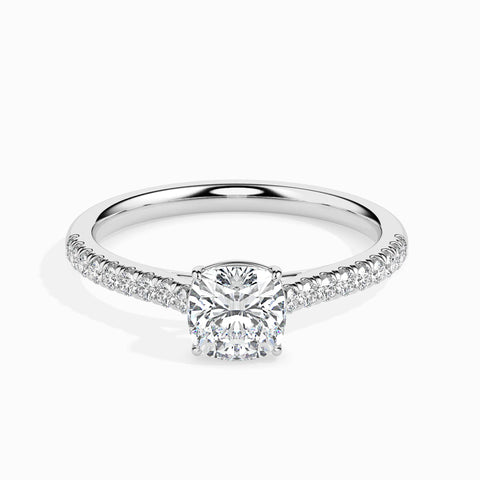
For buyers considering lab-grown diamond jewellery, Customised Platinum Earrings with Lab Grown Diamonds combine platinum with lab-grown diamonds and IGI documentation. Other options include 1-Carat Lab Grown Solitaire Platinum Engagement Ring for Women with Accent Diamonds JL PT LG G-119 and Lab Grown Cushion cut Diamond Platinum Engagement Ring JL PT LG-1434.
Final Thoughts
Real vs lab grown diamonds is ultimately a choice between two origins of genuine diamonds. Natural diamonds appeal through rarity, geological history, and tradition, while lab-grown diamonds offer accessible pricing and modern production.
Founder Sambhav Karnawat and the Jewelove team bring together fine-jewellery craftsmanship, platinum expertise and documented authenticity. Explore Jewelove’s certified platinum and diamond jewellery collection and discover designs such as Customised Platinum Earrings with Lab Grown Diamonds, 1-Carat Lab Grown Solitaire Platinum Engagement Ring for Women with Accent Diamonds JL PT LG G-119, and Lab Grown Cushion cut Diamond Platinum Engagement Ring JL PT LG-1434. Choose the diamond and jewellery design that best reflects your story, style, and priorities.
Frequently Asked Questions
Q1. How can I tell a lab-grown diamond from a natural diamond?
The difference cannot reliably be identified by looking alone. Professional grading and documentation can establish origin.
Q2. Can lab-grown diamonds be certified?
Yes. Lab-grown diamonds can receive grading reports documenting their characteristics and laboratory-grown origin.
Q3. Is a lab-grown diamond a real diamond?
Yes. A lab-grown diamond is a genuine diamond created in a controlled environment. It is different from a simulant, which only imitates diamond’s appearance.
Q4. Will a lab-grown diamond lose value?
Resale depends on market demand, quality, certification, purchase price and the jewellery itself.
Q5. What are the main natural diamond benefits?
They include natural geological origin, rarity, traditional appeal and individual characteristics created during formation.
Q6. Why does diamond certification matter?
Certification documents a diamond’s characteristics and helps buyers compare stones confidently.
Q7. What should I check before buying a diamond?
Check the 4Cs, origin, certification, metal purity, hallmarking, seller reputation and documentation.
Q8. Why choose Jewelove for platinum diamond jewellery?
Jewelove specialises in platinum jewellery and states that its pieces carry Pt950 hallmarking and a PGI Certificate of Authenticity.