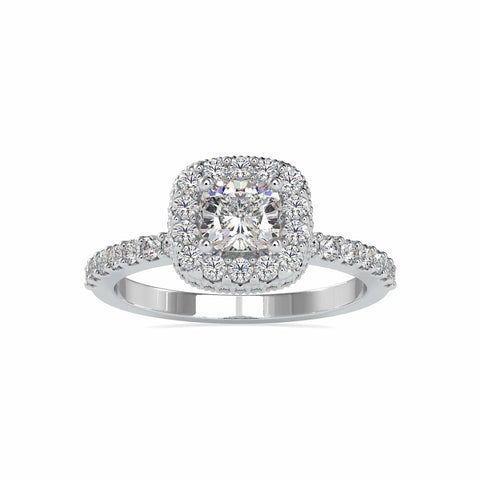
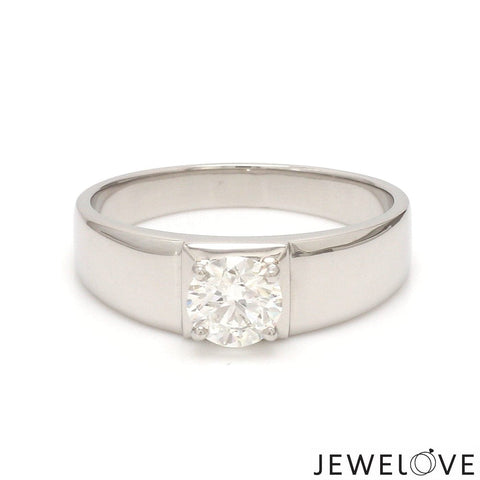
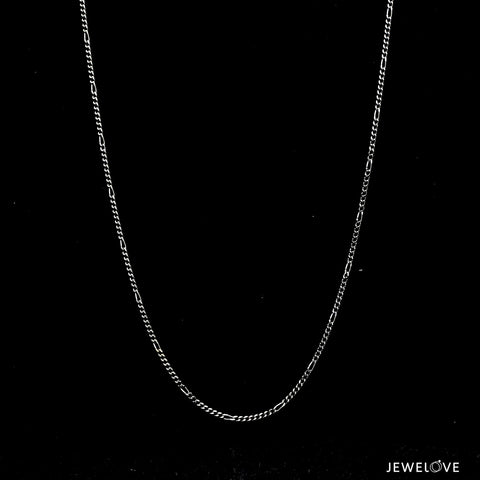
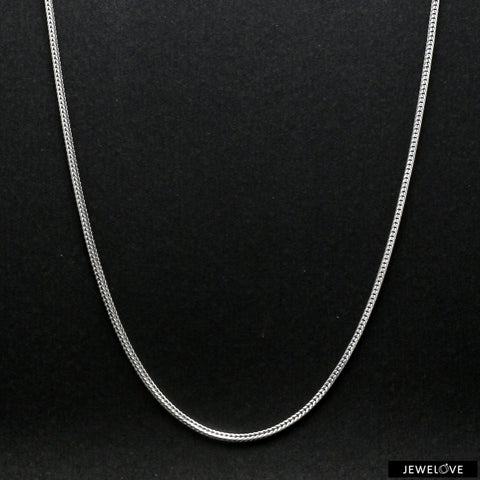
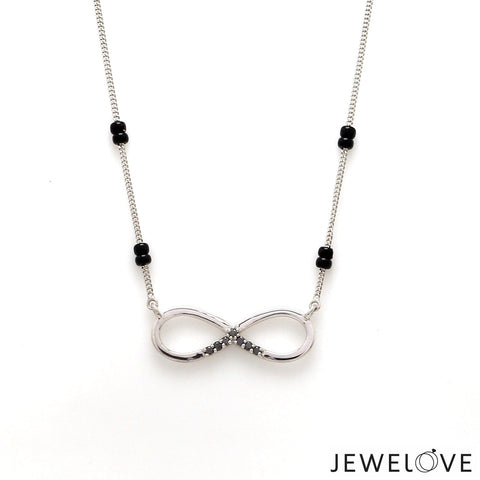
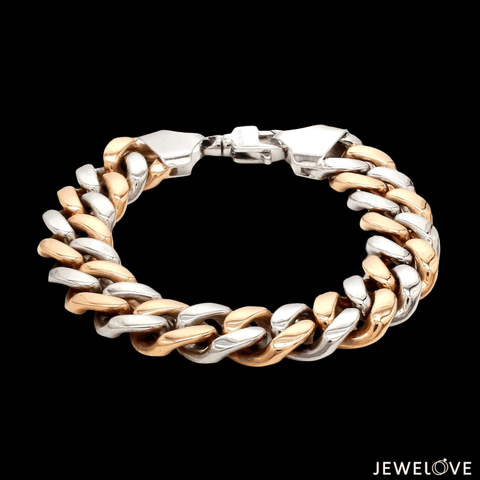
Platinum stands out in jewellery for its high purity, natural white colour, rarity and exceptional durability. Most platinum jewellery is made with a Pt950 composition, meaning it contains 95% pure platinum. Its resistance to tarnishing and ability to develop a natural patina also make it well suited to pieces intended for long-term, everyday wear.
Some precious metals are valued for their shine or popularity, but platinum has a distinctive combination of qualities that gives it a unique place in fine platinum jewellery. It is naturally white, dense and substantial, so platinum jewellery has a noticeably solid feel without relying on plating to maintain its colour. Its durability also allows it to withstand regular wear while retaining the character associated with the metal. Beyond these physical qualities, platinum's rarity and high-purity composition contribute to its appeal for jewellery with lasting significance.
What Makes Platinum a Premium Jewellery Metal?
When people ask why platinum is considered a premium jewellery metal, the answer lies in the combination of characteristics it brings to a finished piece. Platinum is rare, dense, naturally white and commonly used in high-purity jewellery.
Its premium character comes from several qualities:
-
Exceptional rarity
-
High platinum content
-
Natural white appearance
-
Excellent durability
-
Substantial density
-
Resistance to tarnishing
-
Suitability for everyday jewellery
-
Compatibility with fine diamond jewellery
For jewellery intended to mark engagements, weddings, anniversaries or other important milestones, these characteristics make platinum a particularly meaningful choice.
Platinum Rarity: One of Its Defining Qualities
One of the clearest answers to why platinum is considered a premium jewellery metal is its scarcity.
Platinum is considerably rarer than many metals commonly used in jewellery. It occurs in limited quantities and requires extensive mining and refining processes before it can be transformed into a jewellery alloy.
This platinum rarity contributes to its exclusivity. A platinum ring is not simply made from a white-coloured metal; it is crafted from a naturally scarce precious metal with distinctive physical characteristics.
Its rarity also gives platinum a strong association with special occasions. Engagement rings and wedding bands, for example, often represent permanence, commitment and longevity, making a rare and durable metal an appropriate material for such pieces.
What Does Pt950 Mean in Platinum Jewellery?
Purity is another important reason why platinum is considered a premium jewellery metal.
You will often see the term Pt950 associated with quality platinum jewellery. “Pt” refers to platinum, while “950” indicates that the alloy contains 950 parts platinum per thousand, or 95% platinum.
This high platinum content is one of the characteristics that distinguishes platinum jewellery.
At Jewelove, the platinum collection is crafted in certified Pt950 platinum, with authenticity supported through Platinum Guild International certification.
When buying platinum jewellery in India, look for:
-
Pt950 purity marking
-
Appropriate hallmarking
-
Certification of authenticity
-
Clear product specifications
-
Transparent information about weight and gemstones
Understanding purity helps you make an informed jewellery purchase rather than choosing a piece based only on appearance.
Platinum Properties That Make It Distinctive
The key platinum properties are closely connected to its premium position in fine jewellery.
Naturally White Appearance
Platinum has a naturally white appearance that does not depend on a surface coating to create its colour. This makes it particularly appealing for diamond jewellery because its neutral tone complements the brilliance of diamonds.
Its natural colour also gives platinum jewellery a clean and understated appearance that works equally well with contemporary and traditional designs.
High Density
Platinum is a dense metal, which gives platinum jewellery its characteristic weight and substantial feel.
Two jewellery pieces of similar dimensions can feel different in the hand because platinum has a higher density than many commonly used jewellery metals. This weight is part of the tactile experience of wearing platinum.
Resistance to Tarnishing
Platinum is highly resistant to tarnishing. Its appearance can develop a soft natural patina with wear rather than simply losing its identity as a precious metal.
For buyers who want jewellery that can become part of their everyday wardrobe, this is an important advantage.
Hypoallergenic Characteristics
High-purity platinum is also widely chosen for its skin-friendly characteristics. This makes it an appealing option for people who prefer jewellery with a high precious-metal content.
Platinum Durability: Built for Everyday Wear
Platinum durability is another major reason it is associated with premium jewellery. Platinum is dense and durable, making it particularly suitable for pieces worn frequently the same qualities that make a platinum hand bracelet hold up so well over years of use. Wedding bands, engagement rings and everyday chains can all benefit from the metal's robust characteristics.
Platinum is dense and durable, making it particularly suitable for pieces worn frequently. Wedding bands, engagement rings and everyday chains can all benefit from the metal's robust characteristics.
An interesting feature of platinum is how it responds to scratches. When platinum is scratched, the metal generally moves across the surface rather than being removed in the same way that material can be lost from some other metals.
Over time, platinum can develop a soft patina. Some people prefer this subtle aged appearance, while others choose professional polishing when they want a brighter finish.
This combination of durability and long-term wearability helps explain why platinum is considered a premium jewellery metal, particularly for jewellery designed to remain with you for years.
Platinum Value: What Makes It Worth Considering?
The platinum value of a jewellery piece depends on more than the day's metal rate, a distinction that also matters when people ask is platinum bullion a good investment?
Several elements contribute to its overall value:
-
Platinum purity
-
Metal weight
-
Rarity
-
Design complexity
-
Craftsmanship
-
Gemstone quality
-
Brand expertise
-
Certification
A platinum ring with a diamond, for example, represents more than the value of the platinum alone. The diamond, setting, finishing, design and craftsmanship all contribute to the final price.
This is why comparing jewellery solely on price per gram can give an incomplete picture, a point also worth considering when weighing platinum vs gold – which is a better choice for investment?
Platinum vs Other Precious Metals
A useful precious metals comparison helps explain where platinum fits among popular jewellery choices, especially since platinum gold and silver are used to make jewellery with quite different characteristics.
Platinum vs Gold
Gold is available in different purities and colours, including yellow, white and rose gold. Platinum, by contrast, has its naturally white appearance.
Platinum is also denser and is commonly used in high-purity jewellery. Gold offers greater variety in colour and alloy composition, giving buyers more stylistic choices.
Platinum vs White Gold
Platinum and white gold can look similar at first glance, but they are different materials.
White gold is an alloy of gold with other metals and is commonly rhodium-plated to achieve a bright white surface. Platinum has a naturally white appearance and does not require the same type of rhodium plating to create its colour.
The right choice depends on your priorities, including purity, appearance, maintenance, design and budget.
Platinum vs Silver
Silver is a popular and accessible jewellery metal, but it differs significantly from platinum in rarity, density, durability and value positioning, much as a platinum chain for women price reflects a different value proposition than one made in silver.
Platinum is particularly suited to premium jewellery intended for frequent, long-term wear.
Why Platinum Is Popular for Engagement Rings and Wedding Bands
Few jewellery pieces carry the same emotional significance as an engagement ring or wedding band. This is another area where why platinum is considered a premium jewellery metal becomes especially relevant.
Its durability, purity and natural white appearance complement the symbolism of lifelong commitment.
-
Jewelove's collection includes designs such as the 5mm Comfort Fit Platinum Wedding Band SJ PTO 257, which combines a classic silhouette with platinum's substantial feel.
-
For couples who prefer a more understated design, the Classic Platinum Love Bands without Diamonds SJ PTO 104 offer a clean expression of commitment. Those looking for a diamond accent can consider the Platinum Engagement Rings with Small Single Diamonds SJ PTO 122.
-
For a classic solitaire style, the 30-Pointer Classic 6 Prong Solitaire Ring made in Platinum SKU 0012 brings together platinum and a traditional diamond setting.
Platinum Jewellery Is More Than Rings
Although platinum rings and wedding bands are particularly popular, the metal works beautifully across different jewellery categories.
Jewelove's current platinum collection includes rings, wedding bands, chains, bracelets, earrings, necklaces and pendants.
For men who prefer clean, minimal jewellery, the Plain Platinum Box Chain SJ PTO 702 offers a simple everyday option. The Japanese Platinum Chain with Diamond Cut Balls JL PT 748 provides a more detailed finish.
For women, the Unique Japanese Platinum Bracelet JL PTB 739 is one example of a platinum bracelet for women, while the 3mm Platinum Ball Earrings Studs JL PT E 182 offer a subtle option for everyday styling.
This versatility is another reason platinum has a place in both traditional and contemporary Indian jewellery wardrobes.
How to Identify Premium Platinum Jewellery
Knowing why platinum is considered a premium jewellery metal is useful, but knowing how to identify genuine platinum is equally important.
Before buying, check:
1. Purity
Look for the Pt950 marking when purchasing high-purity platinum jewellery.
2. Certification
Certification provides additional confidence regarding authenticity and purity. Jewelove's platinum collection is accompanied by PGI certification.
3. Craftsmanship
Examine the finishing, setting, proportions and construction of the jewellery.
4. Product Details
Check the metal weight, gemstone specifications, dimensions and other product information before purchasing.
5. Jeweller Expertise
Choose a jeweller with specific expertise in platinum jewellery and clear information about the piece you are buying.
Jewelove specialises in platinum jewellery and offers a dedicated collection spanning rings, chains, bracelets, earrings and other categories.
Is Platinum Worth Choosing for Premium Jewellery?
For buyers who prioritise rarity, purity, durability and a naturally white appearance, platinum offers a distinctive combination of qualities.
It can be particularly suitable for:
-
Everyday wedding bands
-
Engagement rings
-
Couple rings
-
Diamond jewellery
-
Minimalist chains
-
Everyday earrings
-
Anniversary jewellery
-
Meaningful milestone pieces
The best jewellery metal ultimately depends on your intended use, preferred design, budget and priorities. Platinum stands out for buyers who value high purity and long-term wear alongside a premium material.
How to Care for Platinum Jewellery
Platinum is durable, but proper care helps maintain its finish.
-
Clean platinum jewellery with mild soap and warm water.
-
Keep it away from harsh chemicals such as chlorine.
-
Store individual pieces separately in a soft pouch.
-
Remove jewellery during activities that could cause unnecessary impact.
-
Consider professional polishing when you prefer a high-shine finish.
A natural patina is part of platinum's character and does not mean the jewellery has become less authentic.
Choose Platinum Jewellery Crafted for Meaningful Moments
Understanding why platinum is considered a premium jewellery metal ultimately comes down to more than rarity or price. Its high purity, natural white appearance, substantial feel and durability make it a distinctive material for jewellery that is meant to be worn, remembered and passed through important moments.
For Jewelove, platinum is not simply another category of jewellery. The brand specialises in platinum craftsmanship, offering certified Pt950 jewellery across rings, wedding bands, chains, bracelets, earrings and more.
Jewelove was founded by Sambhav Karnawat, a fourth-generation jeweller and IIT Kanpur alumnus, bringing a family heritage of jewellery expertise to the brand's specialised approach to platinum.
As Sambhav Karnawat and the Jewelove team continue to focus on platinum craftsmanship, the collection brings together contemporary designs and the enduring character of one of the world's rare precious metals.
Explore Jewelove's platinum collection to discover Pt950 rings, wedding bands, chains, bracelets, earrings, and other pieces designed for everyday elegance and life's most meaningful occasions.
Frequently Asked Questions
Q1. How is platinum different from gold?
Platinum is naturally white, denser and commonly used in high-purity jewellery, while gold is available in multiple purities and colours.
Q2. Can platinum jewellery be worn every day?
Yes. Platinum's density and durability make it well suited to everyday jewellery, including rings, wedding bands and chains.
Q3. Is platinum rarer than gold?
Yes. Platinum is considerably rarer than gold in naturally occurring deposits, contributing to its premium positioning.
Q4. What does Pt950 mean?
Pt950 means the jewellery alloy contains 950 parts platinum per 1,000 parts, equivalent to 95% platinum.
Q5. Will platinum lose its colour?
No. Platinum does not require rhodium plating to create its naturally white colour. It can develop a soft patina with wear.
Q6. Why is platinum jewellery expensive?
Its price reflects factors including platinum content, rarity, weight, craftsmanship, design and any gemstones incorporated into the jewellery.
Q7. What makes platinum durable?
Its density and physical properties make platinum well suited to jewellery intended for frequent and long-term wear.
Q8. Is platinum better than white gold?
Neither is universally better. Platinum offers natural whiteness, high purity and substantial durability, while white gold offers different alloy compositions, colours and price options.