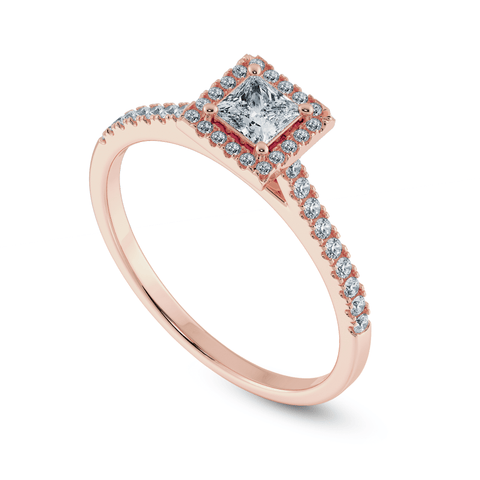
India has one of the world’s oldest diamond histories, dating back more than 3,000 years. Once a major source of natural diamonds, particularly around Golconda, India saw diamonds evolve from rare gemstones into symbols of wealth, power, spirituality, and royal status. Their legacy remains visible in India’s traditional and contemporary jewellery.
Few gemstones are as deeply connected to India’s cultural and royal heritage as diamonds. From ancient alluvial deposits and flourishing trade routes to elaborate royal jewels and modern fine jewellery, diamonds have played many roles throughout Indian history. Understanding this journey reveals how a rare natural gemstone became an enduring part of Indian jewellery traditions and craftsmanship.
When Did the History of Diamonds in India Begin?
Diamonds have been known in India for more than 3,000 years. Ancient references to diamonds appear in Indian traditions and later writings by travellers and merchants. Before major diamond discoveries in Brazil during the early 1700s, India served as the principal global source of the gemstone.
Unlike modern diamond mining, early Indian diamonds were often recovered from alluvial deposits at or near the surface, along with some shallow underground workings. Historical diamond-producing areas developed across parts of southern, eastern, and central India.
This early availability helped shape India's relationship with diamonds. They were not simply decorative stones. Their rarity, durability, and unusual brilliance gave them a distinctive place in Indian traditions.
Where Were Diamonds Found in Ancient India?
Several regions became associated with India's early diamond production, including:
- Golconda and surrounding areas in southern India
- Regions associated with the Krishna and Godavari river systems
- Panna in present-day Madhya Pradesh
- Historical diamond-producing areas in parts of Andhra Pradesh, Karnataka and neighbouring regions
Golconda became particularly famous. The region produced some of the world's best-known historic diamonds, including stones associated with the Koh-i-Noor and Hope Diamond.
Why Were Diamonds Important in Ancient India?
The history of diamonds in India is closely connected with the cultural meaning attached to precious stones.
Diamonds represented qualities such as:
- Wealth and royal status
- Rarity and prestige
- Beauty and permanence
- Ceremonial importance
- Spiritual and protective symbolism in traditional beliefs
Ancient Indian traditions associated gemstones with different powers and meanings. Historical Indian jewellery also used diamonds and other precious stones as expressions of authority and social position. Royal courts valued specialists who could assess gemstones, distinguish treatments, and judge quality.
These traditions helped establish a distinctive diamond culture in which a gemstone could carry meaning beyond its monetary value.
India's Role in the Ancient Diamond Trade
The diamond history India extends well beyond the mines themselves. Once diamonds were collected, they entered regional and international trade networks.
Golconda developed into an important trading centre. Gemstones moved through established commercial routes connecting India with markets across Asia and beyond. Indian rulers also traded precious stones for other valuable gems, including emeralds, rubies, sapphires, spinels and pearls.
European travellers later documented India's diamond wealth. The French gem merchant Jean-Baptiste Tavernier visited India several times during the seventeenth century and recorded information about major diamonds and the country's gem trade.
India's early diamond trade therefore connected geology, commerce, craftsmanship and royal patronage.
Famous Indian Diamonds and Their Stories
The story of famous Indian diamonds adds another fascinating dimension to the country's gemological heritage.
The Koh-i-Noor
The Koh-i-Noor is among the world's most recognised historic diamonds. Its exact early origin remains uncertain, although gemological references associate it with the Golconda region. Its recorded history includes ownership by several Indian and Persian rulers before it entered British possession in the nineteenth century.
The stone's history demonstrates why famous diamonds are often studied as historical objects as much as gemstones.
The Hope Diamond
The Hope Diamond is another famous stone associated with India's historical diamond sources. GIA identifies it among celebrated diamonds originating from the Golconda region. It is now part of the Smithsonian collection in Washington, D.C.
The Great Mogul and Other Historic Stones
The Mughal period produced extensive records and traditions surrounding large gemstones. Several famous diamonds became associated with royal treasuries, although the histories and identities of some stones remain uncertain.
For this reason, responsible discussions of Indian diamonds should separate well-documented history from legends that developed around famous gemstones.
Diamonds in Traditional Indian Jewellery
The history of diamonds in India is also a history of jewellery craftsmanship.
Diamonds appeared in royal ornaments, ceremonial pieces and elaborate jewellery created for courts and wealthy families. Historical Indian jewellery often used stones differently from today's highly faceted brilliant-cut diamonds.
Flat or relatively thin diamonds can be seen in historical Indian jewellery. Modern brilliant cutting became more prominent later, as European faceting techniques and finished stones became increasingly available in India.
This distinction helps explain why traditional Indian diamond jewellery can look very different from contemporary solitaire jewellery.
Kundan, Meena and Polki Traditions
Indian jewellery heritage includes techniques and styles that combine precious metals, gemstones and detailed craftsmanship.
Kundan jewellery traditionally involves setting gemstones into refined gold, while Meena refers to the colourful enamel work frequently associated with the craft. Polki jewellery uses uncut diamonds and remains strongly connected with heritage-inspired Indian jewellery. Jewelove's Kundan Meena collection reflects this continuing craft tradition through handcrafted pieces incorporating diamond polkis and enamel work.
The Diamond Polki Pendant SJ 63 PS by Jewelove is one example of this heritage-inspired approach, combining diamond polkis with hand-worked Meena enamel and emerald pearl details.
How Mughal Influence Shaped Indian Diamond Jewellery
Mughal-era courts played an important role in the development of elaborate Indian jewellery aesthetics. Royal treasuries brought together diamonds, coloured gemstones and gold in intricate designs.
Gemological expertise also held an important place in royal courts. GIA records that Mughal Emperor Aurangzeb had specialists responsible for caring for gems, assessing their value and identifying treated stones or imitations.
This combination of gemstone knowledge and skilled craftsmanship strengthened India's long-standing jewellery traditions.
The result can still be seen in heritage-inspired Kundan, Meena and Polki jewellery, where detailed metalwork and gemstones create designs with a distinctly Indian character.
The Evolution of India's Diamond Industry
The history of diamonds in India changed significantly as new diamond-producing regions emerged around the world.
India's dominance as a source of rough diamonds declined after diamond deposits were discovered in Brazil in the early eighteenth century and later in other parts of the world. Historical Indian mining regions such as Golconda eventually became largely exhausted.
Yet India's connection with diamonds did not disappear.
The country developed a major role in diamond cutting, polishing, jewellery manufacturing and craftsmanship. This created a new chapter in India's relationship with diamonds: from being a historic source of rough stones to becoming an important centre for transforming gemstones into finished jewellery, a shift that also brought new considerations for buyers, including how gst on jewellery is applied to finished pieces today.
How India's Diamond Heritage Influences Jewellery Today
The Indian diamond heritage remains visible in both traditional and contemporary jewellery, and it continues to shape what counts as trending jewellery in India today.
Modern designs can combine:
- Diamonds with platinum
- Diamonds with gold
- Traditional Polki techniques
- Kundan and Meena craftsmanship
- Contemporary solitaire settings
- Heritage-inspired bridal jewellery
- Minimal everyday diamond designs
Jewelove's collections bring several of these approaches together. The brand specialises in Platinum Jewellery and also offers diamond, gold, Kundan Meena and heritage-inspired designs. Its collection includes pieces such as 30-Pointer Classic 6 Prong Solitaire Ring made in Platinum SKU 0012, Single Diamond Platinum Ring JL PT 500, and Seven Diamond Nakshatra Style Platinum Ring SJ PTO 302.
These designs show how the visual language of Indian jewellery can move between traditional craftsmanship and contemporary forms.
Jewelove and the Continuing Legacy of Indian Jewellery
The history of diamonds in India continues through jewellers who preserve established techniques while adapting them for modern preferences, including designs made for him through Jewelove's platinum jewellery for men collection.
Jewelove is a Jaipur-based fine jeweller specialising in platinum jewellery, with collections spanning platinum, diamonds, gold and Kundan Meena jewellery, including a dedicated platinum jewellery necklace range. The brand traces its jewellery heritage to the Suranas and identifies Sambhav Karnawat as its founder and a fourth-generation jeweller.
That heritage is particularly relevant when looking at traditional diamond craftsmanship, and it also lends itself well to personalised jewellery that carries a similar heritage-inspired character. A piece such as the Artistic Diamond Polki Bangle with Red, Green & Blue Enamel combines natural diamond polkis with handcrafted Meena enamel, linking traditional techniques with a contemporary jewellery format.
Sambhav Karnawat's approach to jewellery brings together this generational craft background with a modern fine-jewellery business, allowing traditional Indian forms to remain relevant for today's customers, whether someone is building their own collection or looking for a thoughtful jewellery gift for girlfriend.
What Makes India's Diamond Heritage Unique?
India's relationship with diamonds stands out because it combines several layers of history:
- Ancient origins: Diamonds have been known in India for thousands of years.
- Historic sources: Regions such as Golconda became legendary for exceptional stones.
- Royal patronage: Diamonds became part of courtly jewellery and royal treasuries.
- Cultural meaning: Gemstones carried symbolic and traditional significance.
- Craftsmanship: Kundan, Meena and Polki traditions created distinctive jewellery forms.
- Global trade: Indian diamonds travelled through extensive historical trading networks.
- Modern expertise: India continues to have a significant connection with diamond craftsmanship and jewellery production.
Together, these elements make the history of diamonds in India much more than a story about mining. It is also a story about culture, craftsmanship, commerce and changing ideas of beauty.
Discover India's Jewellery Legacy With Jewelove
The history of diamonds in India continues to inspire jewellery that brings together heritage and contemporary craftsmanship. From traditional Polki and Kundan Meena designs to refined platinum and diamond jewellery, the legacy remains visible in new forms.
Explore Jewelove's collections to discover jewellery shaped by India's long relationship with precious stones and craftsmanship.
Frequently Asked Questions
Q1. How old is the history of diamonds in India?
Diamonds have been known and celebrated in India for more than 3,000 years, according to the Gemological Institute of America.
Q2. Can diamonds still be found in India?
Yes. India has historical and present-day diamond occurrences, including the Panna region, although its role as a major global source of rough diamonds belongs largely to the past.
Q3. Is Golconda still a major diamond source?
No. The historic Golconda region is largely exhausted. Its importance today is primarily historical and gemological.
Q4. What are the most famous Indian diamonds?
The Koh-i-Noor and Hope Diamond are among the most famous diamonds associated with India's historic Golconda diamond sources.
Q5. Why were diamonds important in Indian culture?
Diamonds represented wealth, status and beauty, while traditional Indian beliefs also attached symbolic and protective meanings to precious gemstones.
Q6. What is the origin of diamonds in India?
Historically, diamonds were recovered mainly from alluvial deposits and shallow workings in several regions, including areas associated with Golconda and Panna.
Q7. Will traditional Indian diamond jewellery remain relevant?
Traditional forms such as Kundan, Meena and Polki continue to influence contemporary jewellery designs, combining established craftsmanship with modern silhouettes.
Q8. What is India's diamond heritage known for?
India's diamond heritage is known for its ancient gemstone traditions, historic diamond sources, royal jewellery, international trade, and distinctive craftsmanship.